

Get Your Employment Arbitration Case Packet — File in San Diego Without a Lawyer
Underpaid, fired unfairly, or facing unsafe conditions? You're not alone. In San Diego, federal enforcement data prove a pattern of systemic failure.
5 min
to start
$399
full case prep
30-90 days
to resolution
Your BMA Pro membership includes:
Professionally drafted demand letter + evidence brief for your dispute
Complete case packet — demand letter, evidence brief, filing documents
Enforcement alerts when companies in your area get new violations
Step-by-step filing instructions for AAA, JAMS, or local court
Priority support — dedicated case manager on every filing
| Lawyer | Do Nothing | BMA | |
|---|---|---|---|
| Cost | $14,000–$65,000 | $0 | $399 |
| Timeline | 12-24 months | Claim expires | 30-90 days |
| You need | $5,000 retainer + $350/hr | — | 5 minutes |
Or Starter — $199 | Compare plans
30-day money-back guarantee • Limited to 12 new members/month





Employment Dispute Arbitration in San Diego, California 92177
BMA is a legal tech platform providing self-represented parties with the document preparation and local court data needed to manage California arbitrations independently.
This content is for informational purposes only and does not constitute legal advice. Consult a licensed California attorney for guidance specific to your situation.
Introduction to Employment Dispute Arbitration
In the dynamic economic landscape of San Diego's 92177 area, employment disputes are an inevitable aspect of workforce management. These conflicts can range from wrongful termination and wage disputes to harassment claims and discrimination allegations. To address these issues efficiently, many employers and employees turn to arbitration—a form of Alternative Dispute Resolution (ADR) that offers a confidential, often faster, and less costly process than traditional litigation.
Arbitration involves submitting disputes to a neutral third party, the arbitrator, who then renders a binding decision. This process is frequently embedded within employment agreements and is supported by both state and local legal frameworks. Understanding the nuances of arbitration within San Diego's specific economic and legal context equips stakeholders with the tools necessary for effective dispute resolution.
Legal Framework Governing Arbitration in California
State Laws and Regulations
California law has historically favored the enforcement of arbitration agreements, viewing them as a valid means to resolve employment disputes efficiently. The California Arbitration Act (CAA) and the Federal Arbitration Act (FAA) set clear standards for enforceability, provided the agreements are entered into knowingly and voluntarily.
However, California courts also uphold protections against unconscionable or unconscionably broad arbitration clauses, ensuring fairness for employees. Notably, the California Supreme Court has emphasized that arbitration clauses cannot bar employees from pursuing statutory remedies or from participating in class actions in certain circumstances. This delegation aims to ensure consistency, expertise, and effective governance—especially crucial in the diverse employment sectors represented in San Diego. These agencies interpret the law, establish rules, and maintain standards that balance the interests of both parties.
Arbitration Process in San Diego 92177
Initiating Arbitration
The arbitration process generally begins with the submission of a demand for arbitration, often stipulated in employment contracts. Once initiated, parties select an arbitrator or a panel equipped with expertise in employment law and labor issues prevalent in San Diego's diverse economy.
Hearing and Evidence
The arbitration hearing resembles a court trial but is less formal. It involves presentation of evidence, witness testimony, and legal arguments. Given San Diego's vibrant labor market sectors—from biotech and defense to hospitality—arbitrators often tailor proceedings to address specialized issues.
Decision and Enforcement
After considering the evidence, the arbitrator issues a decision, or award, which is typically binding and final. Enforcement of arbitration awards is governed by both state and federal laws, ensuring compliance, especially in cases involving employment rights and claims.
Benefits and Drawbacks of Arbitration for Employees and Employers
Advantages of Arbitration
- Faster Resolution: Arbitration usually concludes within months, reducing the lengthy timelines of court litigation.
- Cost-Effectiveness: Lower legal and administrative costs benefit both parties, making dispute resolution accessible in San Diego's competitive job market.
- Confidentiality: Arbitration proceedings are private, protecting reputations and sensitive information.
- Expertise: Arbitrators are often specialists in employment law, ensuring informed decision-making.
Potential Drawbacks
- Limited Appeal Rights: Arbitrators' decisions are generally final, and options for appeals are minimal or non-existent.
- Perceived Bias: Concerns about impartiality, especially in employer-favorable arbitration clauses, can undermine confidence.
- Limited Transparency: The private nature of arbitration may obscure systemic employment issues.
- Power Imbalance: Employees might feel pressured to accept arbitration clauses, limiting their rights to pursue remedies through courts.
Common Types of Employment Disputes Resolved by Arbitration
In San Diego's economically vibrant environment, arbitration often handles disputes including:
- Wage and hour claims
- Wrongful termination
- Discrimination and harassment allegations
- Retaliation claims
- Benefits and compensation disputes
- Non-compete and confidentiality issues
The diversity of industries—from technology and defense to tourism and healthcare—means that arbitration forums must be adaptable and knowledgeable about sector-specific legal issues.
Role of Local Arbitration Institutions and Forums
San Diego hosts several reputable arbitration bodies that specialize in employment disputes. These include:
- The San Diego County Bar Association's Volunteer Settlement Program
- The American Arbitration Association (AAA)
- The JAMS California
- Local labor commissions and employment panels specific to California
These institutions provide trained neutrals, procedural rules, and oversight to ensure that arbitration remains fair, efficient, and tailored to local economic realities. Their capacity to handle disputes involving complex employment and labor law issues makes them integral to San Diego's dispute resolution ecosystem.
Statistical Overview of Employment Disputes in San Diego 92177
While specific data for the 92177 ZIP code is limited, San Diego's overall workforce of approximately 1,332,681 individuals indicates a significant volume of employment-related disputes. According to recent reports:
| Data Point | Information |
|---|---|
| Annual Employment Disputes Filed | Estimated 2,500 – 3,000 arbitration cases annually |
| Dispute Types | Majority are wage claims, harassment, and wrongful termination |
| Settlement Rate | Approximately 70% are settled before final arbitration decision |
| Average Duration | 3 to 6 months per case |
These figures highlight how arbitration plays a critical role in managing employment disputes efficiently, reducing court burdens, and fostering a stable labor environment.
Recent Case Studies and Outcomes
Case Study 1: Wage Dispute in the Tech Sector
A San Diego tech firm faced a class arbitration regarding unpaid overtime. The arbitrator's ruling mandated retroactive payments to affected employees, leading to improved labor practices and enhanced trust within the company.
Case Study 2: Discrimination Claim at a Healthcare Facility
Employees alleged gender discrimination; arbitration resulted in a confidential settlement, with the employer committing to revised policies and mandatory training programs.
Case Study 3: Wrongful Termination in Hospitality
An employee was dismissed amidst allegations of retaliation. The arbitrator found evidence supporting wrongful termination, and the employee was awarded reinstatement and damages.
Tips for Navigating Employment Arbitration in San Diego
- Understand Your Contract: Review arbitration clauses carefully before signing employment agreements.
- Seek Legal Counsel: Engage attorneys experienced in local employment law and arbitration strategies, such as employment attorneys at BMALAW.
- Prepare Evidence Thoroughly: Gather relevant documentation, witness statements, and records to support your claims.
- Know Your Rights: Be aware of statutory protections under California law, including protections against unfair arbitration clauses.
- Leverage Local Resources: Utilize local arbitration forums and organizations that understand San Diego’s legal and economic context.
Conclusion and Future Trends
Employment dispute arbitration in San Diego, particularly in ZIP code 92177, continues to evolve in response to changing legal standards, technological advances, and economic shifts. With the increasing integration of blockchain and smart contracts—areas of emerging legal interest—future arbitration mechanisms may incorporate innovative technologies for efficiency and transparency.
Furthermore, ongoing legal considerations around gender equality and fair treatment underscore the importance of safeguarding employee rights within arbitration processes. As institutions adapt and legal innovations emerge, both employers and employees must stay informed to navigate disputes effectively.
Overall, arbitration remains a vital tool in ensuring labor stability and fostering healthy employer-employee relationships within San Diego’s diverse economy.
Local Economic Profile: San Diego, California
N/A
Avg Income (IRS)
861
DOL Wage Cases
$15,489,727
Back Wages Owed
Federal records show 861 Department of Labor wage enforcement cases in this area, with $15,489,727 in back wages recovered for 12,813 affected workers.
Arbitration Resources Near San Diego
If your dispute in San Diego involves a different issue, explore: Consumer Dispute arbitration in San Diego • Contract Dispute arbitration in San Diego • Business Dispute arbitration in San Diego • Insurance Dispute arbitration in San Diego
Nearby arbitration cases: Valley Village employment dispute arbitration • Fort Irwin employment dispute arbitration • Belden employment dispute arbitration • Volcano employment dispute arbitration • The Sea Ranch employment dispute arbitration
Other ZIP codes in San Diego:
Frequently Asked Questions
1. Is arbitration mandatory for employment disputes in California?
Not necessarily. While many employment agreements include arbitration clauses, parties can sometimes opt out. However, courts uphold arbitration clauses if they are fair and voluntary.
2. Can employees challenge an arbitration agreement?
Yes, employees can challenge enforceability based on unconscionability, lack of informed consent, or statutory rights violations under California law.
3. How long does arbitration typically take in San Diego?
Most employment arbitrations in San Diego last between 3 and 6 months, depending on case complexity and forum procedures.
4. Are arbitration awards enforceable in California?
Yes, arbitration awards are enforceable as lawful judgments, provided they meet legal standards and procedural fairness.
5. What should I do if I believe my arbitration clause is unfair?
Consult with a qualified employment attorney to assess your rights. Alternatively, the California courts may evaluate the fairness of arbitration agreements if challenged.
Key Data Points
| Data Point | Details |
|---|---|
| Population of San Diego | 1,332,681 |
| Number of employment disputes filed annually | Approx. 2,500 – 3,000 |
| Major dispute types | Wage disputes, discrimination, wrongful termination |
| Average resolution time | 3–6 months |
| Settlement rate | Approximately 70% |
Why Employment Disputes Hit San Diego Residents Hard
Workers earning $83,411 can't afford $14K+ in legal fees when their employer violates wage laws. In Los Angeles County, where 7.0% unemployment already pressures families, arbitration at $399 levels the playing field against well-funded corporate legal teams.
In Los Angeles County, where 9,936,690 residents earn a median household income of $83,411, the cost of traditional litigation ($14,000–$65,000) represents 17% of a household's annual income. Federal records show 861 Department of Labor wage enforcement cases in this area, with $15,489,727 in back wages recovered for 11,396 affected workers — evidence that businesses here have a pattern of cutting corners on obligations.
$83,411
Median Income
861
DOL Wage Cases
$15,489,727
Back Wages Owed
6.97%
Unemployment
Source: U.S. Census Bureau ACS, Department of Labor WHD. IRS income data not available for ZIP 92177.
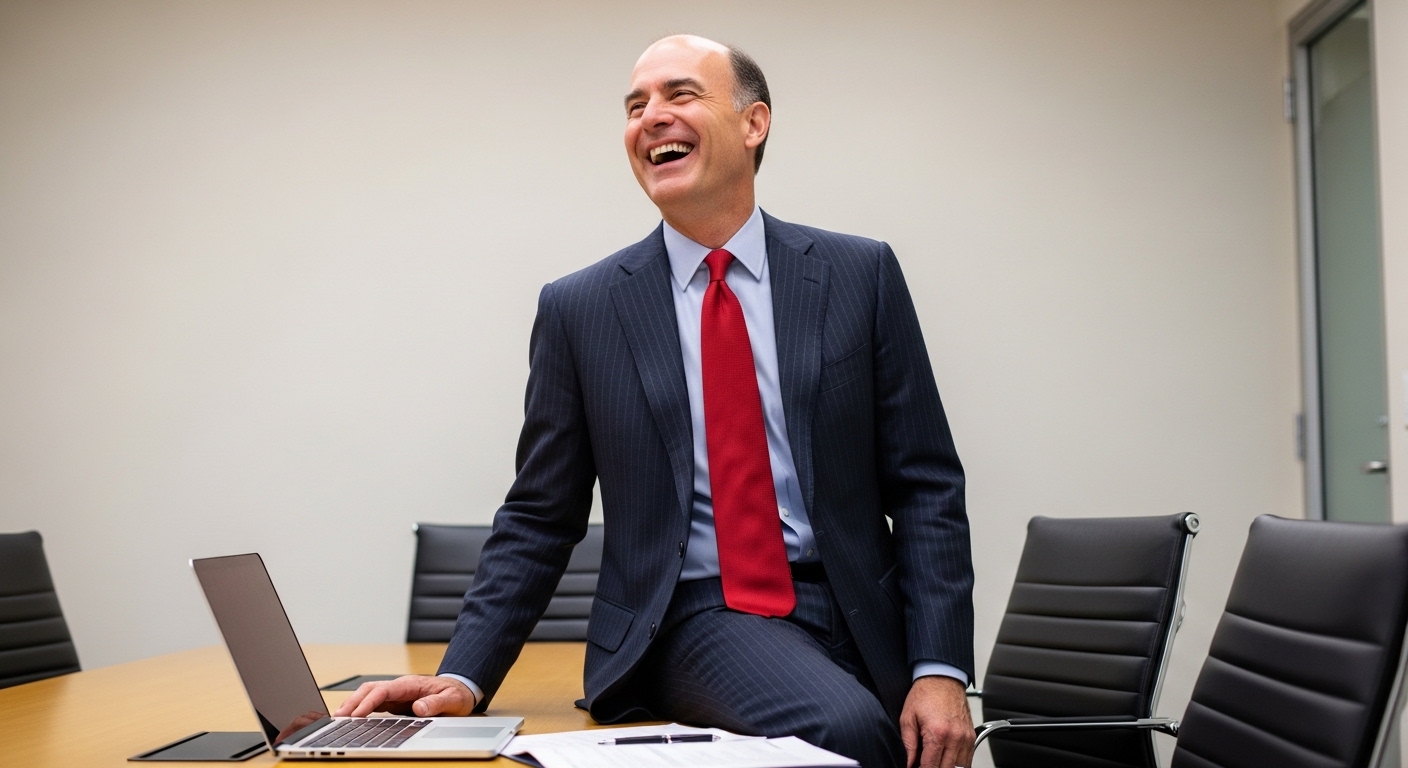
Arbitration Battle in San Diego: The Ramirez vs. ClearWave Tech Dispute
In the summer of 2023, an employment arbitration unfolded in San Diego, California (zip code 92177) that challenged both parties’ definitions of fairness and loyalty. Maria Ramirez, a senior software engineer, filed a claim against her former employer ClearWave Tech, alleging wrongful termination and unpaid bonuses amounting to $78,450.
Background: Maria had been with ClearWave Tech for eight years, steadily climbing the ranks, contributing significantly to key projects. In January 2023, ClearWave underwent management restructuring. Shortly after, Maria was informed that her role was being eliminated. She was offered a severance package totaling $15,000, which she believed was far below the compensation she was owed.
Disputed Issues: The core of Maria’s claim centered on two points:
- Unpaid Performance Bonuses: Contracts from 2021 and 2022 promised yearly bonuses based on project milestones. Maria asserted that she had met all criteria for bonuses totaling $48,450 which ClearWave disputed, citing “insufficient documentation.”
- Wrongful Termination: Maria argued she was let go in retaliation for raising concerns about workplace harassment, a claim ClearWave firmly denied.
Timeline:
- February 2023: Maria formally requested her bonuses and contested the severance amount.
- April 2023: Unable to resolve the dispute internally, both parties agreed to binding arbitration per the employment agreement.
- June 2023: Arbitration hearings were held in a downtown San Diego conference room.
Arbitration Proceedings: The hearings lasted three days. Maria’s attorney presented email chains, project milestone reports, and testimony from two former colleagues. ClearWave’s legal counsel countered with their own evidence, highlighting alleged performance inconsistencies and emphasizing the company’s at-will employment policy.
The arbitrator, retired federal judge Helen Monroe, was noted for her meticulous questioning. She probed the company’s documentation practices and pressured ClearWave representatives on why bonus records were inconsistent. Likewise, she scrutinized Maria’s claims about retaliation, requesting specific dates and witnesses.
Outcome: On August 15, 2023, Monroe issued her ruling. She awarded Maria a total of $52,000—covering $37,000 in unpaid bonuses plus $15,000 for wrongful termination damages. The arbitrator ruled there was “substantial evidence” that Maria had earned the bonuses and that her termination was at least partially retaliatory.
“While ClearWave acted within their contractual rights to an extent, their failure to maintain clear performance records and the timing of Maria’s dismissal raised red flags,” Monroe wrote.
Both parties accepted the decision without further appeal. Maria expressed relief, stating, “It was a long, stressful process, but important to stand up for what I earned.” ClearWave Tech issued a brief statement affirming their commitment to improving internal processes.
This arbitration case serves as a stark reminder for both employees and employers: clear documentation and transparent communication are critical to avoiding costly disputes—especially in the competitive tech industry hubs like San Diego’s 92177 area.

