

Get Your Consumer Dispute Case Packet — Resolve It in 30-90 Days
Scammed, overcharged, or stuck with a defective product? You're not alone. In West Hollywood, federal enforcement data prove a pattern of systemic failure.
5 min
to start
$399
full case prep
30-90 days
to resolution
Your BMA Pro membership includes:
Professionally drafted demand letter + evidence brief for your dispute
Complete case packet — demand letter, evidence brief, filing documents
Enforcement alerts when companies in your area get new violations
Step-by-step filing instructions for AAA, JAMS, or local court
Priority support — dedicated case manager on every filing
| Lawyer | Do Nothing | BMA | |
|---|---|---|---|
| Cost | $14,000–$65,000 | $0 | $399 |
| Timeline | 12-24 months | Claim expires | 30-90 days |
| You need | $5,000 retainer + $350/hr | — | 5 minutes |
Or Starter — $199 | Compare plans
30-day money-back guarantee • Limited to 12 new members/month





Consumer Dispute Arbitration in West Hollywood, California 90069
BMA is a legal tech platform providing self-represented parties with the document preparation and local court data needed to manage California arbitrations independently.
This content is for informational purposes only and does not constitute legal advice. Consult a licensed California attorney for guidance specific to your situation.
Introduction to Consumer Dispute Arbitration
In the vibrant community of West Hollywood, California 90069, consumers often encounter disputes involving retail transactions, service agreements, or housing arrangements. When disagreements arise, arbitration has become an increasingly popular alternative to traditional court litigation. consumer dispute arbitration involves resolving disagreements outside the courtroom through a neutral third party, known as an arbitrator, who renders a binding or non-binding decision based on the evidence and arguments presented by both parties. This process offers a streamlined and cost-effective method for individuals and businesses to settle conflicts efficiently while maintaining confidentiality and reducing legal expenses.
Legal Framework Governing Arbitration in California
California law strongly supports arbitration as a valid method of dispute resolution. The California Arbitration Act (CAA) and the Federal Arbitration Act (FAA) establish the legal foundation for enforcing arbitration agreements and ensuring fairness in the process. The CAA, codified as sections 1280 through 1286 of the California Code of Civil Procedure, emphasizes the importance of respecting arbitration clauses included in consumer contracts.
However, California law also recognizes certain protections to safeguard consumer rights. For instance, arbitration clauses must be clearly disclosed and cannot include provisions that limit substantive rights or remedies available under state or federal law. Moreover, courts sometimes scrutinize enforceability if arbitration procedures are unconscionable or flawed, ensuring that consumers are not deprived of essential protections.
Understanding this legal landscape is vital for consumers to navigate arbitration effectively while knowing their rights are protected under California law.
Common Types of Consumer Disputes in West Hollywood
West Hollywood's thriving retail, hospitality, and housing sectors foster numerous opportunities for consumer disputes. Some prevalent issues include:
- Retail and Service Disputes: Disagreements over product quality, service deficiencies, or billing issues with local boutiques, salons, or restaurants.
- Housing and Rental Disputes: Conflicts over security deposits, eviction notices, lease violations, or maintenance responsibilities in apartment complexes or rental homes.
- Financial and Credit Disputes: Controversies related to unauthorized charges, fraudulent loans, or misunderstandings regarding credit agreements.
- Transportation and Hospitality: Disputes involving ride-sharing services, hotel services, or events held in the area.
Residents and consumers in West Hollywood frequently turn to arbitration to resolve such disputes efficiently, especially given the community's dynamic economy and high volume of retail and service transactions.
The Arbitration Process: Step-by-Step
1. Agreement to Arbitrate
The process begins with a mutual agreement—often embedded within consumer contracts—where both parties consent to have disputes resolved through arbitration rather than litigation.
2. Initiating Arbitration
The consumer files a demand for arbitration, outlining the dispute and the relief sought. The opposing party responds, and the arbitration provider assigns an arbitrator or panel of arbitrators.
3. Pre-Hearing Procedures
This stage includes exchange of evidence, issuance of subpoenas if necessary, and preliminary hearings to set the timetable. The parties may engage in settlement negotiations or mediations to resolve the dispute before the hearing.
4. The Hearing
The arbitration hearing involves presentation of witnesses, submission of documents, and oral arguments. Both sides have the opportunity to cross-examine witnesses and challenge evidence, ensuring a fair process.
5. The Arbitrator’s Decision
After evaluating the evidence, the arbitrator renders a decision, either orally or in writing. In binding arbitration, this decision is final and enforceable by courts; in non-binding cases, parties may opt to pursue litigation if dissatisfied.
6. Enforcement
Decisions in binding arbitration are typically enforceable through court orders. If a party refuses to comply, the prevailing party can seek judicial enforcement.
Benefits and Drawbacks of Arbitration Compared to Litigation
Benefits
- Speed: Arbitration generally concludes faster than court proceedings, often within months.
- Cost-effectiveness: Reduced legal fees and procedural costs benefit consumers and businesses alike.
- Confidentiality: Arbitrations are private, protecting sensitive information.
- Flexibility: Procedures can be tailored to the parties’ needs, facilitating a more accessible process.
Drawbacks
- Limited Appeals: Most arbitration decisions are final, with limited grounds for appeal, which may be problematic if a decision is unjust.
- Potential Biases: Concerns about arbitrator impartiality or the influence of corporate interests.
- Unequal Bargaining Power: Consumers may feel pressured to accept arbitration clauses without fully understanding their rights.
- Enforcement Challenges: While generally enforceable, arbitration awards can be challenged in court under specific circumstances.
Understanding these aspects helps consumers weigh their options when resolving disputes in West Hollywood.
Local Arbitration Resources and Organizations in West Hollywood
West Hollywood benefits from various resources aimed at assisting consumers in navigating arbitration and alternative dispute resolution (ADR). Some notable organizations include:
- West Hollywood Consumer Affairs Office: Provides guidance on consumer rights and may facilitate access to local dispute resolution programs.
- California Dispute Resolution Programs Act (DRPA): Supports community-based arbitration and mediation services.
- Private arbitration service providers: Companies that facilitate arbitration proceedings, including industry-specific panels for retail, housing, and services.
- Legal Aid and Nonprofit Organizations: Offer free or low-cost legal advice, including assistance with arbitration agreements and dispute resolution.
These local resources empower consumers to effectively resolve disputes without resorting to lengthy litigation, often facilitating informal negotiations or structured arbitration processes. For more information about legal services and arbitration options, interested individuals can visit our legal professionals.
Case Studies and Examples from West Hollywood Residents
Understanding real-world applications highlights how arbitration works in West Hollywood:
Case Study 1: Retail Dispute
A West Hollywood resident disputed a faulty product purchase from a local boutique. The dispute was resolved through binding arbitration, leading to a refund and compensation without the need for court litigation, saving both time and expense.
Case Study 2: Housing Conflict
A tenant faced wrongful eviction and argued that security deposit deductions were improper. An arbitration panel reviewed the evidence and sided with the tenant, resulting in the landlord reimbursing part of the deposit, all achieved through a streamlined process.
Case Study 3: Service Contract Dispute
A resident challenged an auto repair service fee dispute. The arbitration decision favored the consumer, and the case demonstrated how local arbitration agreements resolve issues swiftly before they escalate.
These examples demonstrate the practical benefits of arbitration in maintaining community harmony and protecting consumer rights in West Hollywood.
Tips for Successful Arbitration in West Hollywood
- Read the Arbitration Clause Carefully: Know your rights and obligations before signing contracts.
- Gather Evidence: Collect receipts, communication records, photographs, and relevant documents to support your claim.
- Choose the Right Arbitrator: Ensure the arbitrator has expertise relevant to your dispute (e.g., consumer law, housing).
- Remain Professional and Prepared: Present your case clearly and respectfully during hearings.
- Know When to Seek Legal Advice: Consulting with an attorney experienced in arbitration can improve your chances of a favorable outcome.
Proactive preparation and understanding of the process enhance the likelihood of a successful resolution.
Conclusion: The Role of Arbitration in Consumer Protection
In the diverse and lively community of West Hollywood, California 90069, consumer dispute arbitration serves as a vital tool for ensuring swift, fair, and confidential resolution of conflicts. Supported by robust legal frameworks and local resources, arbitration balances the interests of consumers and businesses, helping to maintain trust and integrity within the community. While it offers significant benefits over traditional litigation, consumers should remain informed about their rights, the process, and strategic considerations to make the most of arbitration opportunities. Ultimately, arbitration reinforces consumer protection by providing accessible, efficient, and legally sound avenues for dispute resolution.
Local Economic Profile: West Hollywood, California
$273,380
Avg Income (IRS)
5,234
DOL Wage Cases
$51,699,244
Back Wages Owed
Federal records show 5,234 Department of Labor wage enforcement cases in this area, with $51,699,244 in back wages recovered for 46,976 affected workers. 12,770 tax filers in ZIP 90069 report an average adjusted gross income of $273,380.
Arbitration Resources Near West Hollywood
If your dispute in West Hollywood involves a different issue, explore: Business Dispute arbitration in West Hollywood
Nearby arbitration cases: Poway consumer dispute arbitration • San Luis Obispo consumer dispute arbitration • Rancho Santa Margarita consumer dispute arbitration • Darwin consumer dispute arbitration • Granite Bay consumer dispute arbitration
Frequently Asked Questions (FAQs)
1. Is arbitration binding in consumer disputes?
Most arbitration agreements in consumer disputes are binding, meaning the arbitrator's decision is final and enforceable by courts, with limited grounds for appeal.
2. Can I opt-out of arbitration clauses?
In some cases, California law allows consumers to opt-out of arbitration agreements within a specified period, but this varies depending on the contract terms and jurisdiction.
3. How long does arbitration take in West Hollywood?
Typically, arbitration concludes within 3 to 6 months, but timelines can vary based on case complexity and the arbitration provider.
4. Are arbitration decisions private?
Yes, arbitration proceedings are generally private, offering confidentiality that court trials do not provide.
5. Where can I find legal assistance for arbitration issues?
Several local organizations and legal professionals, including those at BM&A Law, can assist consumers with arbitration-related concerns.
Key Data Points
| Data Point | Detail |
|---|---|
| Population of West Hollywood | 20,045 |
| Common Dispute Types | Retail, housing, services, financial |
| Average Arbitration Duration | 3-6 months |
| Legal Support Available | Community organizations, legal firms, arbitration providers |
| Legal Framework | California Arbitration Act, Federal Arbitration Act |
Why Consumer Disputes Hit West Hollywood Residents Hard
Consumers in West Hollywood earning $83,411/year can't absorb $14K+ in legal costs to fight a company that wronged them. That cost-barrier is exactly what corporations count on — and arbitration at $399 eliminates it.
In Los Angeles County, where 9,936,690 residents earn a median household income of $83,411, the cost of traditional litigation ($14,000–$65,000) represents 17% of a household's annual income. Federal records show 5,234 Department of Labor wage enforcement cases in this area, with $51,699,244 in back wages recovered for 39,606 affected workers — evidence that businesses here have a pattern of cutting corners on obligations.
$83,411
Median Income
5,234
DOL Wage Cases
$51,699,244
Back Wages Owed
6.97%
Unemployment
Source: U.S. Census Bureau ACS, IRS SOI, Department of Labor WHD. 12,770 tax filers in ZIP 90069 report an average AGI of $273,380.
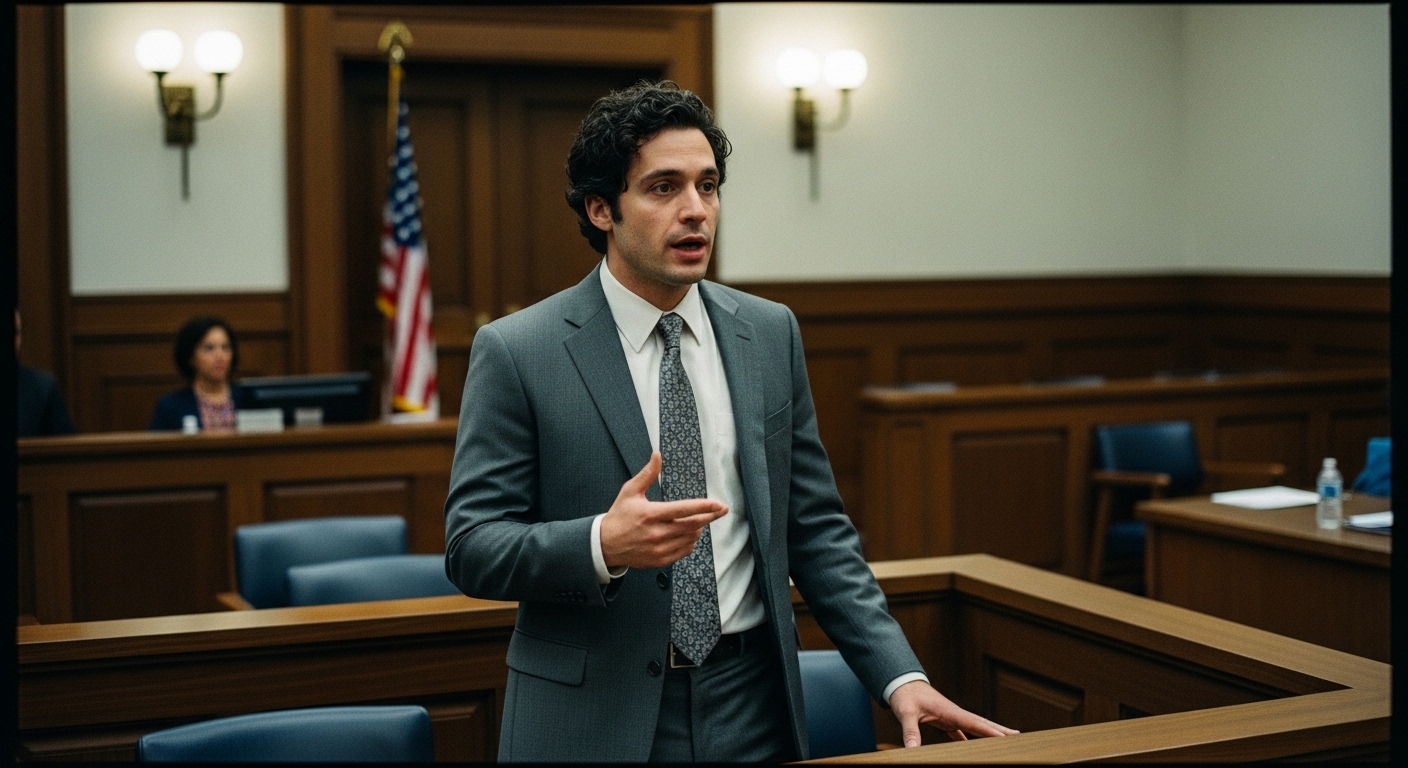
Arbitration Battle in West Hollywood: The Case of the Faulty Smart Fridge
In the sunny spring of 2023, Emily Carter, a 34-year-old graphic designer living in West Hollywood, California (zip code 90069), found herself embroiled in an arbitration dispute that quickly turned into a stressful ordeal over a malfunctioning smart refrigerator.
It all began in early March when Emily purchased a state-of-the-art “ChillTech Pro” fridge from FrostWorks Appliances for $2,499. The fridge promised advanced features: voice control, automatic inventory tracking, and an ice-and-water dispenser with custom filtration. Excited about upgrading her apartment kitchen, Emily paid in full and scheduled delivery.
Within two weeks, things took a turn. The fridge began to freeze produce solid and randomly reset its digital controls, causing food spoilage. Emily called FrostWorks’s customer support multiple times between March 20 and April 5, requesting repairs and troubleshooting. Technicians visited twice, but the problems persisted.
Frustrated, Emily requested a replacement or a refund. FrostWorks refused, citing their 90-day limited warranty and asserting the fridge had no “manufacturing defects.” After several emails and phone calls, no resolution was reached.
On April 25, Emily filed for arbitration through the California Better Business Bureau’s dispute resolution program, seeking a full refund of $2,499 plus $200 for spoiled groceries and inconvenience.
The arbitration was scheduled for June 3 at a West Hollywood hearing center. Both parties submitted evidence: Emily provided photos of spoiled food, technician reports, and several dated communications. FrostWorks submitted their inspection notes asserting the unit “met quality standards.”
The arbitrator, retired judge Linda Ramirez, presided over a two-hour proceeding. Emily testified, describing how the fridge’s failures disrupted her daily routine and caused significant financial loss. FrostWorks’ representative emphasized the warranty limits and argued that user error might be to blame.
After careful review, Judge Ramirez issued her award on June 15. She found that the fridge had an inherent defect unsupported by user mishandling, citing the multiple technician repairs that failed to solve the issue. The award ordered FrostWorks to refund Emily the $2,499 purchase price plus $150 for grocery losses, totaling $2,649. Emily was also awarded $350 in arbitration fees, which FrostWorks had to pay.
This outcome provided Emily some relief, but the ordeal left her wary of big-ticket appliance purchases and wary of fine print warranties. FrostWorks, meanwhile, took a public relations hit locally, with several West Hollywood consumers voicing concern over product reliability.
Ultimately, the case highlighted the power—and limits—of arbitration in consumer disputes: a cost-effective venue that resolved conflict within three months but required persistence, documentation, and emotional grit from a single frustrated buyer.

