

Facing a contract dispute in Santa Barbara?
30-90 days to resolution. No lawyer needed.





Winning Your Contract Dispute in Santa Barbara? Prepare for Arbitration in 30-90 Days
BMA is a legal tech platform providing self-represented parties with the document preparation and local court data needed to manage California arbitrations independently.
This content is for informational purposes only and does not constitute legal advice. Consult a licensed California attorney for guidance specific to your situation.
Why Your Case Is Stronger Than You Think
Many claimants underestimate how thoroughly proper documentation and strategic organization can shift the outcome of arbitration in Santa Barbara. The local legal framework, governed primarily by the California Arbitration Act (CAA), offers procedural advantages when supported by clear evidence and a disciplined approach. For instance, state statutes emphasize the importance of timely submission of evidence, with strict deadlines outlined in California Code of Civil Procedure sections 1281.6 and 1281.9, which allow courts to compel or prevent evidence presentation if mishandled. When you develop a detailed chronological binder of contractual communications, copies of signed agreements, and transaction records, you create a compelling narrative that reduces ambiguity—a core element that arbitrators rely on under the AAA Commercial Rules, Rule 10.1. To illustrate, submitting electronically preserved contracts in the exact formats outlined by California Evidence Code sections 1400-1410 lends authenticity, minimizing challenges concerning digital evidence credibility. Such careful preparation diminishes the risk of unfavorable technical objections, empowers you to assert claims more convincingly, and can even influence arbitrator perception before hearings commence. Clarity in your evidence not only prevents disputes over authenticity but also streamlines the process, making it more predictable, efficient, and ultimately more favorable to your position.
$14,000–$65,000
Avg. full representation
$399
Self-help doc prep
What Santa Barbara Residents Are Up Against
Santa Barbara’s active local economy, which features a vibrant mix of small businesses, service providers, and consumer transactions, faces frequent contract disputes, often stemming from overlooked clauses or mismanaged documents. Local enforcement data indicates that the Santa Barbara County District Attorney’s Office reports over 150 violations annually related to breach of contract, with a significant portion involving consumer protections under state law. Additionally, the Santa Barbara Superior Court reports an average of 200 civil arbitration cases filed each year—an indication of the community’s reliance on Alternative Dispute Resolution (ADR) mechanisms outside the traditional court process. Industry patterns show a persistent tendency among some businesses to delay or obscure evidence gathering, increasing procedural complexity and costs for claimants. For example, incomplete or improperly preserved electronic correspondence can be challenged, especially under California Evidence Code section 1400, which mandates the integrity of digital evidence. These systemic issues mean that you are not alone in facing hurdles—local enforcement challenges combined with procedural gaps demand meticulous preparation from claimants to prevent small missteps from unraveling your case. Understanding these local trends and the enforceability of arbitration agreements under California law underscores the necessity of a well-organized, evidence-rich approach.
The Santa Barbara Arbitration Process: What Actually Happens
In Santa Barbara, arbitration typically follows a structured process governed by the California Arbitration Act, the AAA Commercial Rules, and local practices. The first step involves filing a written claim, which must comply with California Civil Procedure § 1283.4, within 30 days of the dispute’s accrual, although some cases can extend to 60 days if scheduling conflicts arise. Once filed, parties select arbitrators—often from AAA-approved panels—via a process outlined in arbitration clauses or, if absent, through mutual agreement. The timeline from filing to preliminary hearing usually spans 4 to 6 weeks in Santa Barbara, factoring in the local caseload and arbitrator availability. The arbitration hearing itself, governed by the AAA Rules (Rule 12), generally occurs within 60 days of the arbitration agreement’s enforcement, with the award rendered within 30 days afterward, as stipulated in AAA’s standard procedures. Statutory support for these procedural timelines includes California Code of Civil Procedure sections 1281.6 and 1281.9, which outline court-supervised discovery procedures but do not override arbitration timelines. During hearings, the process involves presentation of evidence, witness testimony, and closing arguments—each carefully governed by the arbitration rules and California Evidence Code to ensure fairness and transparency. Understanding these steps allows you to anticipate procedural milestones and ensures your evidence and arguments are aligned with the outlined statutory and contractual frameworks.
Your Evidence Checklist
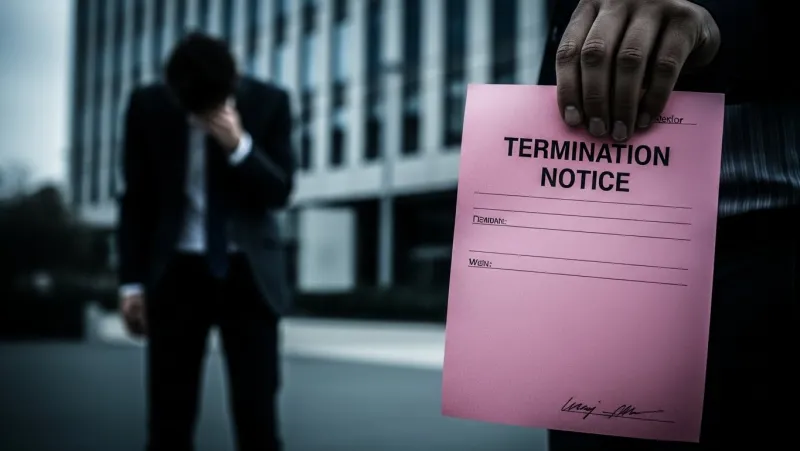
- Signed contractual agreements, including amendments and addenda—preferably with digital copies saved in PDF or certified ESI formats, due within 10 days of arbitration filing according to California Evidence Code § 1400.
- Correspondence related to the dispute: emails, text messages, or recorded phone calls—preserved immediately upon suspicion of dispute to prevent alteration or loss, as mandated in Evidence Code § 1401.
- Transaction receipts, invoices, or proof of payment—organized chronologically to demonstrate breach or non-performance, with original documents preserved under chain-of-custody protocols.
- Witness statements or affidavits from involved parties or third parties—prepared in accordance with California Evidence Code §§ 1220–1230, and submitted within specific discovery deadlines, typically 20 days prior to the hearing.
- Expert evaluations or opinions, if applicable—obtained early to verify damages or contractual compliance, and formatted per California Rules of Evidence § 720, including proper notarization and disclosure.
- Any electronically stored information (ESI) such as backup files or server logs—secured in compliant formats with metadata preserved, to withstand evidentiary challenges.
- Documentation of any mitigation efforts undertaken prior to filing, such as settlement discussions or correspondence—demonstrating reasonable attempts to resolve, which may influence arbitrator discretion.
Failing to collect or preserve these documents within the prescribed deadlines jeopardizes your case, as improperly handled evidence can be challenged maliciously or discarded, severely weakening your position before the arbitrator.
Ready to File Your Dispute?
BMA prepares your arbitration case in 30-90 days. No lawyer needed.
Start Your Case — $399People Also Ask

Is arbitration binding in California?
Yes. Under California law, arbitration agreements signed voluntarily are generally considered binding and enforceable per the California Arbitration Act and the Federal Arbitration Act. Courts uphold arbitration awards unless procedural misconduct or unconscionability is established, per California Code of Civil Procedure § 1281.6.
How long does arbitration take in Santa Barbara?
Typically, arbitration proceedings in Santa Barbara span between 30 to 90 days from filing to award, depending on case complexity, evidence readiness, and party cooperation. California statutes, particularly CCP § 1281.6, support timely resolution, but delays can occur due to scheduling or procedural disputes.
What are common procedural pitfalls in Santa Barbara arbitration?
Common pitfalls include missed deadlines for evidence submission, improper document preservation, and jurisdictional oversights. Such errors can lead to case dismissals, stay orders, or nullification of awards, emphasizing the importance of meticulous procedural adherence.
Can I settle after arbitration is initiated?
Yes, parties can negotiate and settle at any time before or during arbitration. Mediation or settlement discussions can be facilitated within the arbitration process, especially if parties recognize the benefits of resolution without awaiting a formal ruling.
What happens if the opposing party withholds evidence?
Withholding evidence can be challenged under California Evidence Code § 1054, which mandates disclosure and proper management. Arbitrators may sanction non-compliance or exclude non-disclosed evidence, impacting case strength and fairness.
Don't Leave Money on the Table
Full legal representation typically costs $14,000–$65,000 on average. Self-help document prep: $399.
Start Your Case — $399Why Consumer Disputes Hit Santa Barbara Residents Hard
Consumers in Santa Barbara earning $92,332/year can't absorb $14K+ in legal costs to fight a company that wronged them. That cost-barrier is exactly what corporations count on — and arbitration at $399 eliminates it.
In Santa Barbara County, where 445,213 residents earn a median household income of $92,332, the cost of traditional litigation ($14,000–$65,000) represents 15% of a household's annual income. Federal records show 46 Department of Labor wage enforcement cases in this area, with $344,460 in back wages recovered for 405 affected workers — evidence that businesses here have a pattern of cutting corners on obligations.
$92,332
Median Income
46
DOL Wage Cases
$344,460
Back Wages Owed
5.98%
Unemployment
Source: U.S. Census Bureau ACS, Department of Labor WHD. IRS income data not available for ZIP 93102.
PRODUCT SPECIALIST
Content reviewed for procedural accuracy by California-licensed arbitration professionals.
About William Wilson
View author profile on BMA Law | LinkedIn | Federal Court Records
Arbitration Help Near Santa Barbara
Nearby ZIP Codes:
Arbitration Resources Near
If your dispute in involves a different issue, explore: Employment Dispute arbitration in • Contract Dispute arbitration in • Business Dispute arbitration in • Insurance Dispute arbitration in
Nearby arbitration cases: El Centro consumer dispute arbitration • Camptonville consumer dispute arbitration • Strawberry consumer dispute arbitration • Davis Creek consumer dispute arbitration • Pioneertown consumer dispute arbitration
Other ZIP codes in :
References
- California Arbitration Act: https://leginfo.legislature.ca.gov/faces/codes_displayText.xhtml?lawCode=CIV&division=3.&title=9.&chapter=4
- California Code of Civil Procedure: https://leginfo.legislature.ca.gov/faces/codes_displayText.xhtml?lawCode=CCP
- California Evidence Code: https://leginfo.legislature.ca.gov/faces/codes_displayText.xhtml?lawCode=EVID&title=1.&chapter=1
- American Arbitration Association: https://www.adr.org
- California Consumer Protection Laws: https://oag.ca.gov/privacy/ccpa
The arbitration packet readiness controls for the contract dispute arbitration in Santa Barbara, California 93102 seemed airtight until it broke apart during cross-examination—what appeared as a comprehensive checklist masked a silent failure phase where key evidence preservation workflow was compromised at the very outset. The initial failure was the improper authentication of some records, causing irreparable chain-of-custody discipline lapses that extinguished any chance of introducing critical contract amendments as valid exhibits. By the time the defect surfaced, the operational boundaries restricting document intake governance made it impossible to reconstruct the lost evidentiary history, forcing a forfeiture of pivotal claims and leaving the case direction entirely dictated by the opposing party’s accounts. This exacting failure illustrated how stringent local procedural nuances in Santa Barbara 93102—often overlooked—can twist a seemingly robust arbitration strategy into a trap where cost implications spike as strategic leverage dissolves irreversibly. arbitration packet readiness controls appeared compliant but hid the fatal cracks beneath procedural checkboxes, engendering a collapse both unsurprising and painful in hindsight.
This is a hypothetical example; we do not name companies, claimants, respondents, or institutions as examples.
- False documentation assumption: Relying solely on checklist completion masked underlying evidentiary gaps.
- What broke first: Authentication failures within the initial evidence preservation workflow undermined the entire position.
- Generalized documentation lesson tied back to "contract dispute arbitration in Santa Barbara, California 93102": Ground-level operational constraints demand proactive chain-of-custody discipline beyond standard checklists to withstand arbitration-specific rigor.
⚠ HYPOTHETICAL CASE STUDY — FOR ILLUSTRATIVE PURPOSES ONLY
Unique Insight Derived From the "contract dispute arbitration in Santa Barbara, California 93102" Constraints
Contract dispute arbitration in Santa Barbara, California 93102 imposes stringent procedural limits on evidence presentation, tightly coupling local rules with timeliness requirements that heavily influence workflow design. These constraints create a landscape where evidentiary momentum can stall irrevocably if documentation integrity erodes, emphasizing a trade-off between thoroughness and the fast pace demanded in arbitration.
Most public guidance tends to omit the critical interaction between regional arbitration culture and document handling rigor, leaving teams ill-prepared for the nuance required in preserving evidentiary lines under localized pressure. This gap often forces reactive damage control rather than preemptive preservation.
Additionally, the cost implications of engaging specialized evidentiary review earlier in the preparation phase often deter parties, risking latent chain-of-custody discipline failures. This creates a paradox where upfront investment in detailed packet readiness significantly reduces the likelihood of catastrophic failure during in-person hearings or remote proceedings.
| EEAT Test | What most teams do | What an expert does differently (under evidentiary pressure) |
|---|---|---|
| So What Factor | Focus mainly on checklist completion and document quantity. | Prioritize evidentiary relevance and authentication to reinforce credibility and reduce vulnerabilities. |
| Evidence of Origin | Accept client-provided documents with limited verification. | Deploy early chain-of-custody audits and provenance validation to secure irrefutable origin trails. |
| Unique Delta / Information Gain | Overlook local procedural nuances impacting proof admissibility. | Tailor evidentiary strategy considering Santa Barbara arbitration-specific rules to maximize information advantage under pressure. |
Local Economic Profile: Santa Barbara, California
N/A
Avg Income (IRS)
46
DOL Wage Cases
$344,460
Back Wages Owed
In Santa Barbara County, the median household income is $92,332 with an unemployment rate of 6.0%. Federal records show 46 Department of Labor wage enforcement cases in this area, with $344,460 in back wages recovered for 421 affected workers.

