
Get Your Consumer Dispute Case Packet — Resolve It in 30-90 Days
Scammed, overcharged, or stuck with a defective product? You're not alone. In Long Beach, federal enforcement data prove a pattern of systemic failure.
5 min
to start
$399
full case prep
30-90 days
to resolution
Your BMA Pro membership includes:
Professionally drafted demand letter + evidence brief for your dispute
Complete case packet — demand letter, evidence brief, filing documents
Enforcement alerts when companies in your area get new violations
Step-by-step filing instructions for AAA, JAMS, or local court
Priority support — dedicated case manager on every filing
| Lawyer | Do Nothing | BMA | |
|---|---|---|---|
| Cost | $14,000–$65,000 | $0 | $399 |
| Timeline | 12-24 months | Claim expires | 30-90 days |
| You need | $5,000 retainer + $350/hr | — | 5 minutes |
Or Starter — $199 | Compare plans
30-day money-back guarantee • Limited to 12 new members/month





Consumer Dispute Arbitration in Long Beach, California 90853
BMA is a legal tech platform providing self-represented parties with the document preparation and local court data needed to manage California arbitrations independently.
This content is for informational purposes only and does not constitute legal advice. Consult a licensed California attorney for guidance specific to your situation.
Introduction to Consumer Dispute Arbitration
In the bustling city of Long Beach, California, where over 472,500 residents engage in countless consumer transactions daily, the need for effective and efficient dispute resolution mechanisms is paramount. consumer dispute arbitration stands out as a practical alternative to traditional court litigation, offering a pathway to resolve disagreements swiftly, fairly, and with less expense. Unlike lengthy court processes, arbitration facilitates a private, confidential setting where parties can present their cases before an impartial arbitrator. For residents and businesses alike, understanding how arbitration functions is essential for safeguarding their rights and interests in a vibrant marketplace.
Legal Framework Governing Arbitration in California
California law, embodied in the California Arbitration Act (CAA), supports the enforceability of arbitration agreements and proceedings. The state embraces the principles established under the Federal Arbitration Act (FAA), promoting the enforceability of arbitration clauses in consumer contracts. However, California also underscores the importance of transparency, fairness, and consumer protections during arbitration processes. Recent legal developments, including courts’ scrutiny of unconscionability and the requirement for clear, understandable arbitration clauses, aim to prevent abusive practices and ensure consumers are not prejudiced. Interestingly, empirical legal studies and appellate behavior theories suggest that courts tend to scrutinize arbitration agreements more rigorously when dealing with consumer disputes, especially involving marginalized groups, aligning with Derrick Bell’s Racial Realism perspective that racism and inequality have a persistent presence in legal frameworks. This highlights the ongoing challenge of balancing arbitration's efficiency with equitable access to justice.
Arbitration Services Available in Long Beach, CA 90853
Long Beach hosts multiple arbitration forums, both local and regional, to address various consumer disputes. These include municipal arbitration programs, private arbitration firms, and industry-specific panels such as:
- Long Beach Consumer Arbitration Program
- Regional Consumer Dispute Resolution Centers
- Private arbitration firms specializing in retail, auto, and service disputes
- Industry-specific forums for telecom, utilities, and financial services
Many cases are resolved through community-based mediation services before formal arbitration, ensuring accessibility for residents. These services prioritize fairness and transparency, aligning with the legal standards supported in California.
Benefits of Arbitration for Consumers and Businesses
Arbitration offers numerous advantages in handling consumer disputes:
- Speed: Arbitration often concludes within months, significantly faster than traditional court trials.
- Cost-effectiveness: Lower legal and procedural costs make it accessible to consumers and small businesses.
- Privacy: Confidential proceedings protect reputation and sensitive information.
- Expertise: Arbitrators with industry-specific knowledge facilitate fair and informed decisions.
- Efficiency: Simplified procedures reduce backlog and administrative burdens.
Empirical studies reinforce that arbitration can lead to higher satisfaction among parties, particularly when procedures are transparent and involve neutral mediators. Further, given the regulatory landscape in California, arbitration remains a vital tool for timely resolution, especially in a diverse city like Long Beach, where community trust is essential.
Common Types of Consumer Disputes in Long Beach
In Long Beach, consumer disputes frequently involve:
- Auto Repair and Vehicle Sales
- Retail and Product Defects
- Service Contracts and Warranties
- Utility and Telecom Charges
- Financial Services and Credit Disputes
- Real Estate and Rental Issues
Understanding the commonality of these disputes helps consumers identify when arbitration might be an appropriate resolution route. It also underpins the local efforts to tailor arbitration services to address specific community concerns effectively.
How to Initiate Arbitration for Consumer Disputes
Initiating arbitration typically involves several steps:
- Review your Contract: Confirm that your purchase agreement or service contract contains an arbitration clause.
- Attempt Negotiation: Before proceeding, try resolving the dispute informally with the involved party.
- File a Notice of Dispute: Submit a formal complaint to the arbitration forum, following its specific procedures.
- Select an Arbitrator: The parties often agree on or the forum appoints an arbitrator with relevant expertise.
- Participate in the Hearing: Present your case, submit evidence, and respond to the opposing party's claims.
- Receive the Award: The arbitrator issues a binding decision, which can be enforced through courts if necessary.
For detailed guidance, it’s advisable to consult legal professionals or support organizations familiar with local arbitration procedures.
Role of Local Consumer Protection Agencies
Local agencies such as the Long Beach Consumer Affairs Office play a critical role in supporting arbitration efforts. They:
- Provide consumer education on rights and dispute resolution options.
- Offer mediation services aimed at amicable resolutions before formal arbitration.
- Assist consumers in understanding arbitration agreements and procedures.
- Coordinate with regional arbitration centers to ensure accessible dispute resolution.
These agencies strive to uphold fairness in dispute processes, aligning with California’s legal mandates and empirical findings on equitable access.
Challenges and Criticisms of Arbitration
Despite its benefits, arbitration is not without criticisms:
- Perceived Bias: Arbitrators may favor corporate interests, raising questions about neutrality.
- Lack of Transparency: Proceedings and decisions are often private, limiting accountability.
- Limited Appeal Rights: Parties generally cannot appeal arbitration decisions, potentially leading to unfair outcomes.
- Power Imbalance: Consumers may feel pressured to accept arbitration clauses they do not fully understand, echoing Derrick Bell’s concept of racial and systemic inequalities.
- Emerging Digital Platforms: Platform governance issues involve regulating digital arbitration services, which raises new legal challenges.
Recognizing these issues is critical for policymakers and community advocates seeking to optimize arbitration's role in consumer dispute resolution.
Case Studies and Local Arbitration Outcomes
Several local cases exemplify arbitration’s efficacy. For instance:
- An auto repair dispute resolved efficiently through Long Beach's arbitration forum, saving the consumer significant legal costs while providing a fair judgment.
- A retail warranty disagreement settled through private arbitration, resulting in the repair or replacement of a defective product.
- A telecommunications billing dispute mediated via community services, leading to a reduction in charges and improved customer relations.
These examples illustrate that arbitration, when properly administered, enhances consumer confidence and sustains market integrity.
Conclusion and Resources for Consumers
Consumer dispute arbitration in Long Beach, California, remains a cornerstone of fair, efficient dispute resolution. Its legal foundation, tailored local services, and potential for swift resolution make it an indispensable tool for residents seeking justice in a complex marketplace. To maximize benefits, consumers should educate themselves about arbitration procedures, scrutinize contractual clauses, and seek assistance from local advocacy groups.
For more comprehensive legal support and information, visit BMA Law, a resource dedicated to consumer rights and arbitration advocacy.
Remember: Understanding your rights and available dispute resolution options helps ensure fair treatment and fosters a trustworthy economic environment in Long Beach.
Local Economic Profile: Long Beach, California
N/A
Avg Income (IRS)
221
DOL Wage Cases
$2,985,343
Back Wages Owed
Federal records show 221 Department of Labor wage enforcement cases in this area, with $2,985,343 in back wages recovered for 2,647 affected workers.
Arbitration Resources Near Long Beach
If your dispute in Long Beach involves a different issue, explore: Employment Dispute arbitration in Long Beach • Contract Dispute arbitration in Long Beach • Business Dispute arbitration in Long Beach • Insurance Dispute arbitration in Long Beach
Nearby arbitration cases: Corte Madera consumer dispute arbitration • Porter Ranch consumer dispute arbitration • Kenwood consumer dispute arbitration • Oceanside consumer dispute arbitration • Amboy consumer dispute arbitration
Other ZIP codes in Long Beach:
Frequently Asked Questions (FAQs)
1. Is arbitration mandatory for all consumer disputes in California?
No, arbitration is generally voluntary unless stipulated by a contractual arbitration clause. Consumers should review their contracts carefully.
2. Can I appeal an arbitration decision if I disagree?
Typically, arbitration decisions are binding with limited grounds for appeal, such as misconduct or procedural violations.
3. How long does arbitration usually take?
Most arbitration proceedings conclude within a few months, depending on case complexity and scheduling.
4. Are arbitration services in Long Beach affordable?
Yes, arbitration generally costs less than court litigation, especially when managed through community or nonprofit forums.
5. What should I do if I feel my arbitration rights are violated?
Contact local consumer protection agencies or consult legal professionals for guidance regarding potential violations or unfair practices.
Key Data Points
| Data Point | Details |
|---|---|
| Population of Long Beach | 472,584 residents |
| Common Dispute Types | Auto, retail, utilities, financial services |
| Average Time to Resolve Disputes | 3-6 months |
| Cost Savings | Approximately 30-50% compared to litigation |
| Legal Support Resources | Local agencies, private firms, online platforms |
Why Consumer Disputes Hit Long Beach Residents Hard
Consumers in Long Beach earning $83,411/year can't absorb $14K+ in legal costs to fight a company that wronged them. That cost-barrier is exactly what corporations count on — and arbitration at $399 eliminates it.
In Los Angeles County, where 9,936,690 residents earn a median household income of $83,411, the cost of traditional litigation ($14,000–$65,000) represents 17% of a household's annual income. Federal records show 221 Department of Labor wage enforcement cases in this area, with $2,985,343 in back wages recovered for 1,841 affected workers — evidence that businesses here have a pattern of cutting corners on obligations.
$83,411
Median Income
221
DOL Wage Cases
$2,985,343
Back Wages Owed
6.97%
Unemployment
Source: U.S. Census Bureau ACS, Department of Labor WHD. IRS income data not available for ZIP 90853.
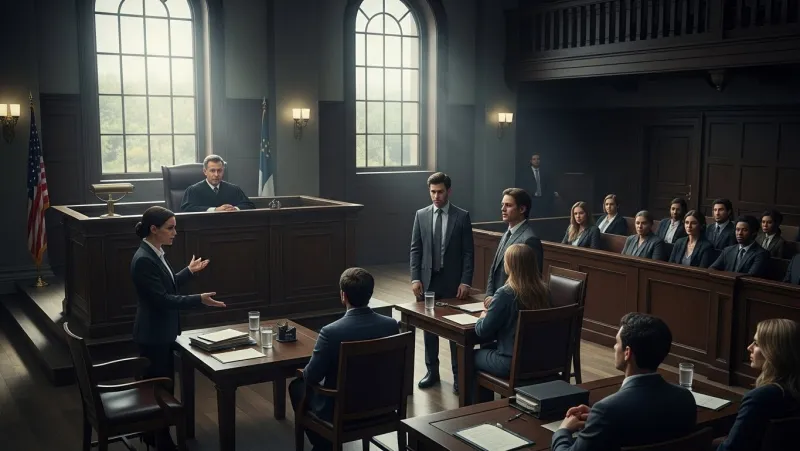
Arbitration Battle in Long Beach: The Case of the Faulty Solar Panels
In the summer of 2023, Maria Gomez, a resident of Long Beach, California 90853, found herself embroiled in a bitter arbitration dispute that tested her patience and resolve. Maria had signed a contract in February 2023 with SolBright Energy Solutions for the installation of solar panels on her home. The contract was valued at $18,500, promising a state-of-the-art system that would reduce her electricity bills and increase her property value.
Initially, everything went smoothly. The installation was completed by late April. However, by June, Maria noticed her electricity bills had actually increased rather than decreased. After several calls to SolBright’s customer service, she was told that the system was functioning correctly and that any fluctuations were normal. Unsatisfied, Maria hired an independent electrician who confirmed that multiple panels were malfunctioning and the inverter was improperly wired.
Maria attempted to negotiate a full repair or replacement with SolBright, but the company refused to cover the costs, claiming user error or external damage. Frustrated and with mounting bills, Maria filed for arbitration through the Better Business Bureau’s dispute resolution service in July 2023, requesting a full refund of $18,500 or a complete system replacement.
The arbitration hearing was held in Long Beach in October 2023. Both parties presented detailed evidence: Maria submitted expert reports and photographs, while SolBright provided contracts and internal maintenance logs. The arbitrator, retired judge Linda Calloway, listened intently to testimony from both sides over a two-day session.
Judge Calloway’s ruling, delivered in early November, was a win for Maria. She found that SolBright had failed to meet the basic contractual standards and ordered the company to refund $15,000 to Maria, accounting for some use of the system before failure. Additionally, SolBright was required to pay $1,200 in arbitration fees and cover Maria’s independent electrician costs of $950.
Maria received her refund by mid-November and contracted another local solar provider to install a new, fully functioning system. While the process was stressful and time-consuming, the arbitration allowed her to avoid costly litigation and secure a fair outcome.
This Long Beach dispute highlights the importance of thorough documentation, expert testimony, and local dispute resolution mechanisms in consumer arbitration. For residents facing similar issues, Maria’s story is a reminder that persistence and utilizing arbitration services can provide real justice without the drawn-out hassles of court.

