Get Your Consumer Dispute Case Packet — Resolve It in 30-90 Days
Scammed, overcharged, or stuck with a defective product? You're not alone. In Glendale, federal enforcement data prove a pattern of systemic failure.
5 min
to start
$399
full case prep
30-90 days
to resolution
Your BMA Pro membership includes:
Professionally drafted demand letter + evidence brief for your dispute
Complete case packet — demand letter, evidence brief, filing documents
Enforcement alerts when companies in your area get new violations
Step-by-step filing instructions for AAA, JAMS, or local court
Priority support — dedicated case manager on every filing
| Lawyer | Do Nothing | BMA | |
|---|---|---|---|
| Cost | $14,000–$65,000 | $0 | $399 |
| Timeline | 12-24 months | Claim expires | 30-90 days |
| You need | $5,000 retainer + $350/hr | — | 5 minutes |
Or Starter — $199 | Compare plans
30-day money-back guarantee • Limited to 12 new members/month





Consumer Dispute Arbitration in Glendale, California 91210
BMA is a legal tech platform providing self-represented parties with the document preparation and local court data needed to manage California arbitrations independently.
This content is for informational purposes only and does not constitute legal advice. Consult a licensed California attorney for guidance specific to your situation.
Introduction to Consumer Dispute Arbitration
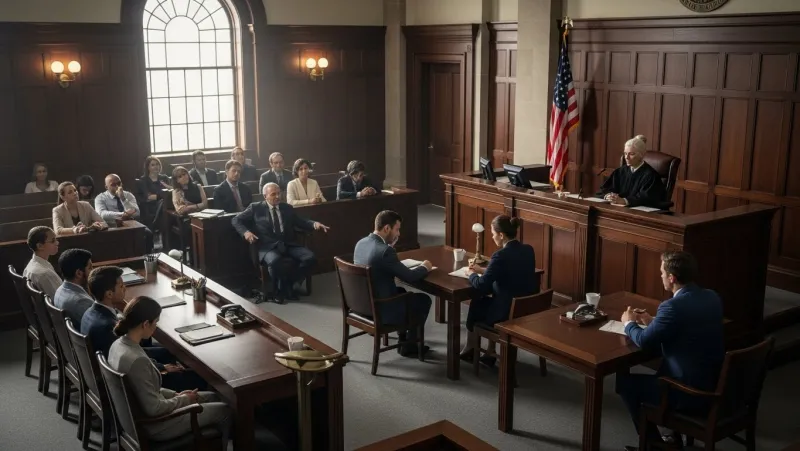
In the vibrant city of Glendale, California, with its population of approximately 174,945 residents, consumer transactions are an everyday occurrence. From purchasing retail goods to acquiring automotive services, consumers often encounter disputes that necessitate effective resolution mechanisms. Consumer dispute arbitration has emerged as a vital process, offering an alternative to traditional courtroom litigation. It is a form of alternative dispute resolution (ADR) where an impartial third party, known as an arbitrator, reviews evidence, listens to the parties' arguments, and delivers a binding or non-binding decision. This process fosters quicker resolutions, reduces legal costs, and alleviates the burden on the judicial system, making it an essential tool for consumers and businesses alike in Glendale.
Legal Framework Governing Arbitration in California
California law strongly supports arbitration as a means of resolving disputes. The California Arbitration Act (CAA) aligns with the Federal Arbitration Act (FAA), emphasizing the enforceability of arbitration agreements, provided they are entered into voluntarily and with clear mutual consent. At the same time, California statutes protect consumers against unconscionable or unfair arbitration practices, ensuring a balance between effective dispute resolution and consumer rights.
The law recognizes the legitimacy of arbitration clauses included in contracts at the point of sale or service agreement, which are often standard in retail and automotive transactions common in Glendale. These laws also provide mechanisms for consumers to challenge unfair arbitration clauses through legal avenues, reinforcing the core principle that arbitration should not undermine consumer protections.
Common Types of Consumer Disputes in Glendale
The diverse economic activities of Glendale's residents lead to various consumer disputes. Predominant issues include:
- Retail Goods: Disputes over defective products, warranties, or misrepresentations.
- Automotive Services: Disagreements stemming from car repairs, financing, or leasing terms.
- Utilities and Services: Conflicts related to billing, service interruptions, or contract violations.
- Home Improvement and Construction: Disputes due to subpar work, delays, or outright fraud.
Many of these conflicts are rooted in negotiation theory, where parties often form alliances—such as consumer groups or advocacy organizations—to increase bargaining power during disputes. This coalition approach aims to balance the core interests of consumers and providers within the arbitration process.
Arbitration Process and Procedures
Initiating Arbitration
The process begins when a consumer files a claim with either a private arbitration center or an organization specified in the dispute resolution clause. The respondent is notified and given the opportunity to present their defense. The parties typically agree upon an arbitrator or a panel of arbitrators, often with expertise relevant to the dispute—be it automotive, retail, or service industries.
Pre-Hearing Steps
Prior to the hearing, parties exchange evidence, a process governed by Evidence & Information Theory. Physical evidence, documents, photographs, or recorded communications are presented to substantiate claims or defenses. This transparency aligns with Real Evidence Theory, where tangible items or exhibits are critical in supporting a case.
The Hearing
During the arbitration hearing, both parties present their arguments, examine evidence, and question witnesses. The arbitrator considers these submissions in light of property principles, such as adverse possession theory, especially relevant when disputes involve property or title issues. The proceedings are generally less formal than court trials but follow procedural fairness to ensure impartiality.
The Decision
After evaluating the evidence and arguments, the arbitrator issues a decision, which can be binding or non-binding depending on the prior agreement. Binding arbitration decisions are final and enforceable in court, offering a conclusive resolution. This expediency helps ease congestion in the local courts and benefits consumers who seek swift remedies.
Benefits and Drawbacks of Arbitration
Advantages
- Speed: Arbitration tends to be faster than traditional litigation, often resolving disputes within months.
- Cost-Effectiveness: Reduced legal fees and lower associated costs benefit consumers and businesses.
- Confidentiality: Arbitration proceedings are private, protecting sensitive information.
- Expertise: Arbitrators are often specialists, leading to more informed decisions, especially in technical disputes.
Drawbacks
- Limited Appeal Rights: The finality of arbitration can be problematic if a party believes an error occurred.
- Imbalance of Power: Consumers may feel at a disadvantage, especially if forced into arbitration by standard contracts.
- Potential for Unfair Practices: Despite protections, some arbitration clauses may contain unfair terms, emphasizing the need for consumer vigilance.
Incorporating negotiation theory and coalition theory, parties often attempt to form strategic alliances to influence arbitration outcomes or negotiate better terms, reinforcing the core principle of collective bargaining within dispute resolution.
Local Arbitration Resources and Centers in Glendale
Glendale houses several arbitration centers and legal service providers that assist residents in resolving consumer disputes efficiently. These centers offer mediation, arbitration, and other ADR services tailored to local needs. Some examples include:
- Glendale Consumer Arbitration Center: Provides specialized arbitration services with experienced neutrals familiar with California law.
- Law Offices of [Local Firm]: Offering legal counsel for consumers seeking arbitration or navigating disputes.
- Community Mediation Programs: Facilitated by local non-profits, helping parties reach amicable resolutions outside formal proceedings.
For additional resources, visit Bruce M. Allen Law which offers guidance on consumer rights and dispute resolution.
Case Studies and Statistics in Glendale 91210
Recent data from Glendale indicate a steady increase in consumer disputes related to retail and automotive transactions. For example:
| Year | Number of Disputes Filed | Resolution Rate (%) | Average Time to Resolution (Months) |
|---|---|---|---|
| 2020 | 1,250 | 85% | 4.5 |
| 2021 | 1,400 | 87% | 4.2 |
| 2022 | 1,600 | 88% | 4.0 |
These statistics illustrate Glendale's commitment to resolving consumer disputes efficiently, with arbitration playing a pivotal role in achieving high resolution rates and expedient outcomes.
Tips for Consumers Engaging in Arbitration
- Understand Your Contract: Carefully review arbitration clauses before signing any agreement.
- Gather Evidence: Keep records of transactions, communications, and physical evidence supporting your claim.
- Know Your Rights: Be aware of California protections against unconscionable arbitration clauses and unfair practices.
- Choose the Right Arbitrator: Select arbitrators with relevant expertise in the specific industry or dispute area.
- Be Prepared to Negotiate: Arbitration can be an opportunity for settlement; being open to negotiation can facilitate favorable outcomes.
For comprehensive guidance, consult experienced attorneys or trusted legal resources to navigate the arbitration process effectively.
Conclusion and Future Outlook
Consumer dispute arbitration in Glendale, California 91210, continues to evolve as an integral component of the local justice system. Supported by California law and enhanced by community resources, arbitration offers an expedient and effective means for resolving disputes. As Glendale’s population grows and economic activities diversify, ongoing efforts to educate consumers and improve arbitration mechanisms will be essential to maintain trust and economic stability.
Future developments may include increased integration of technology into arbitration procedures, greater protections against unfair clauses, and expanded access for underserved populations. Encouraging transparency, fairness, and consumer empowerment will remain at the forefront of this evolving landscape.
Arbitration Resources Near Glendale
If your dispute in Glendale involves a different issue, explore: Employment Dispute arbitration in Glendale • Contract Dispute arbitration in Glendale • Business Dispute arbitration in Glendale • Insurance Dispute arbitration in Glendale
Nearby arbitration cases: Montclair consumer dispute arbitration • Palm Springs consumer dispute arbitration • Salinas consumer dispute arbitration • San Rafael consumer dispute arbitration • Janesville consumer dispute arbitration
Other ZIP codes in Glendale:
Frequently Asked Questions (FAQs)
1. What is consumer arbitration, and how is it different from going to court?
Consumer arbitration is a private dispute resolution process where an arbitrator makes a binding decision, typically faster and less costly than court litigation. Unlike formal court proceedings, arbitration is less formal, and its decisions are generally final.
2. Can I opt out of arbitration clauses in consumer contracts?
California law allows consumers to challenge or opt out of arbitration clauses if certain conditions are met, especially if the clauses are deemed unconscionable or unfair. It is important to review the contract carefully and consult legal advice.
3. How long does an arbitration process typically take in Glendale?
The duration varies depending on the complexity of the dispute, but most arbitration cases in Glendale resolve within 4 to 6 months, offering a quicker alternative to traditional court cases.
4. What types of disputes are suitable for arbitration?
Consumer disputes involving retail goods, automotive services, utilities, or home improvements are well-suited for arbitration, especially when contracts include arbitration clauses.
5. Where can I find local arbitration centers in Glendale?
Glendale hosts several arbitration centers and legal providers. Resources like the Bruce M. Allen Law can help connect consumers with these services and provide legal guidance.
Local Economic Profile: Glendale, California
$190,690
Avg Income (IRS)
137
DOL Wage Cases
$4,780,425
Back Wages Owed
Federal records show 137 Department of Labor wage enforcement cases in this area, with $4,780,425 in back wages recovered for 7,426 affected workers. 180 tax filers in ZIP 91210 report an average adjusted gross income of $190,690.
Why Consumer Disputes Hit Glendale Residents Hard
Consumers in Glendale earning $83,411/year can't absorb $14K+ in legal costs to fight a company that wronged them. That cost-barrier is exactly what corporations count on — and arbitration at $399 eliminates it.
In Los Angeles County, where 9,936,690 residents earn a median household income of $83,411, the cost of traditional litigation ($14,000–$65,000) represents 17% of a household's annual income. Federal records show 137 Department of Labor wage enforcement cases in this area, with $4,780,425 in back wages recovered for 7,233 affected workers — evidence that businesses here have a pattern of cutting corners on obligations.
$83,411
Median Income
137
DOL Wage Cases
$4,780,425
Back Wages Owed
6.97%
Unemployment
Source: U.S. Census Bureau ACS, IRS SOI, Department of Labor WHD. 180 tax filers in ZIP 91210 report an average AGI of $190,690.