
$5,000 - $25,000: Insurance Mediator Dispute Preparation Strategy for Claim Resolution
By BMA Law Research Team
Direct Answer
An insurance mediator facilitates resolution between claimants and insurers concerning policy coverage, claim disputes, or settlement issues. Effective dispute preparation involves collecting comprehensive documentary evidence of claim communication, submission, and mishandling. Federal procedural codes such as the Federal Arbitration Act (9 U.S.C. §§ 1-16) govern arbitration proceedings frequently used in these disputes. Arbitration rules published by the [anonymized] (AAA Commercial Arbitration Rules) provide procedural guidance including timelines and evidence submission requirements.
Successful mediation or arbitration outcomes depend heavily on adherence to procedural standards under rules such as AAA Rule R-14 governing evidence exchange and R-34 addressing dispositive motions. Relevant federal consumer protection enforcement data - for example, [anonymized] (CFPB) records showing industry investigations and complaint resolutions - may supplement dispute claims with systemic mishandling evidence. Consumers and small-business owners preparing for formal complaints or arbitration should focus on compiling communication logs, claim filing records, and detailed correspondence with both mediators and insurers.
- Insurance mediators act as intermediaries for claim settlement but disputes commonly arise over delays and denial of claims.
- Effective disputes require detailed documentation of communications, claim submissions, and investigation responses.
- Arbitration rules under the AAA and federal statutes provide procedural frameworks with strict timelines and evidence protocols.
- Federal enforcement data such as CFPB complaints can signal systemic issues in insurer or mediator conduct impacting claim outcomes.
- Procedural missteps or insufficient evidence can critically weaken dispute resolution prospects.
Why This Matters for Your Dispute
Disputes involving insurance mediators are more complex than they initially appear because they involve multiple layers of communication and procedural rules. These disputes often include issues around claim delays, miscommunication, or inconsistent claim handling, which may challenge consumers and small-business owners who lack comprehensive knowledge of procedural arbitration rules or federal consumer protections. Insurance mediation is governed primarily by arbitration procedures under the Federal Arbitration Act and rules enforced by organizations such as the [anonymized].
BMA Law's research team has documented that delays in document exchange and incomplete communication logs from insurance mediators are frequent operator signals complicating dispute resolution. Federal enforcement records show persistent challenges in related industries. For instance, CFPB enforcement summaries note that a consumer in California filed multiple complaints in 2026 regarding problems with company investigations into credit reporting issues, indicating investigation mishandling that may have parallels in insurance inconsistency issues during mediation.
Understanding these enforcement indicators and procedural complexities is critical. Federal enforcement records show a financial services operation in California cited on 2025-11-15 for failure to adequately investigate claims with ongoing penalty proceedings. These data points highlight why detailed preparation and adherence to evidence and procedural requirements often determine arbitration success or failure. For targeted support, consider arbitration preparation services to ensure compliance and thorough documentation.
How the Process Actually Works
- Claim Initiation and Filing: Submit your initial claim and file any formal complaints regarding mediation issues. Document each submission carefully with timestamps and receipts.
- Communications Log Compilation: Maintain detailed records of all communication exchanges with the mediator and insurance entity by email, phone transcripts, or written correspondence. Retain copies of every response and inquiry.
- Evidence Collection: Gather and organize claim submissions, investigation reports, correspondence, and any documented delays or misinformation received. Ensure all evidence is dated and clearly referenced.
- Complaint Filing or Arbitration Demand: File formal complaints with regulatory bodies or submit arbitration demands following AAA or relevant procedural rules. Include a well-documented case file highlighting all evidence.
- Procedural Compliance and Scheduling: Track deadlines for evidence submission, pre-hearing disclosures, and procedural milestones in accordance with rules such as AAA Rule R-14 and federal arbitration timing provisions.
- Evidentiary Hearings and Negotiation: Present evidence during arbitration hearings. Be prepared for potential procedural objections related to jurisdiction or discovery limits and respond with documented protocols.
- Resolution or Decision: Receive the arbitration award or negotiated settlement. Document all terms carefully and ensure enforcement steps are understood under relevant jurisdictional laws.
- Post-Dispute Review: Analyze outcomes for procedural compliance and effectiveness of evidence presentation. Maintain records for any potential appeals or further enforcement filings.
Detailed documentation is essential throughout each step. For support in organizing and maintaining evidence, visit dispute documentation process.
Where Things Break Down
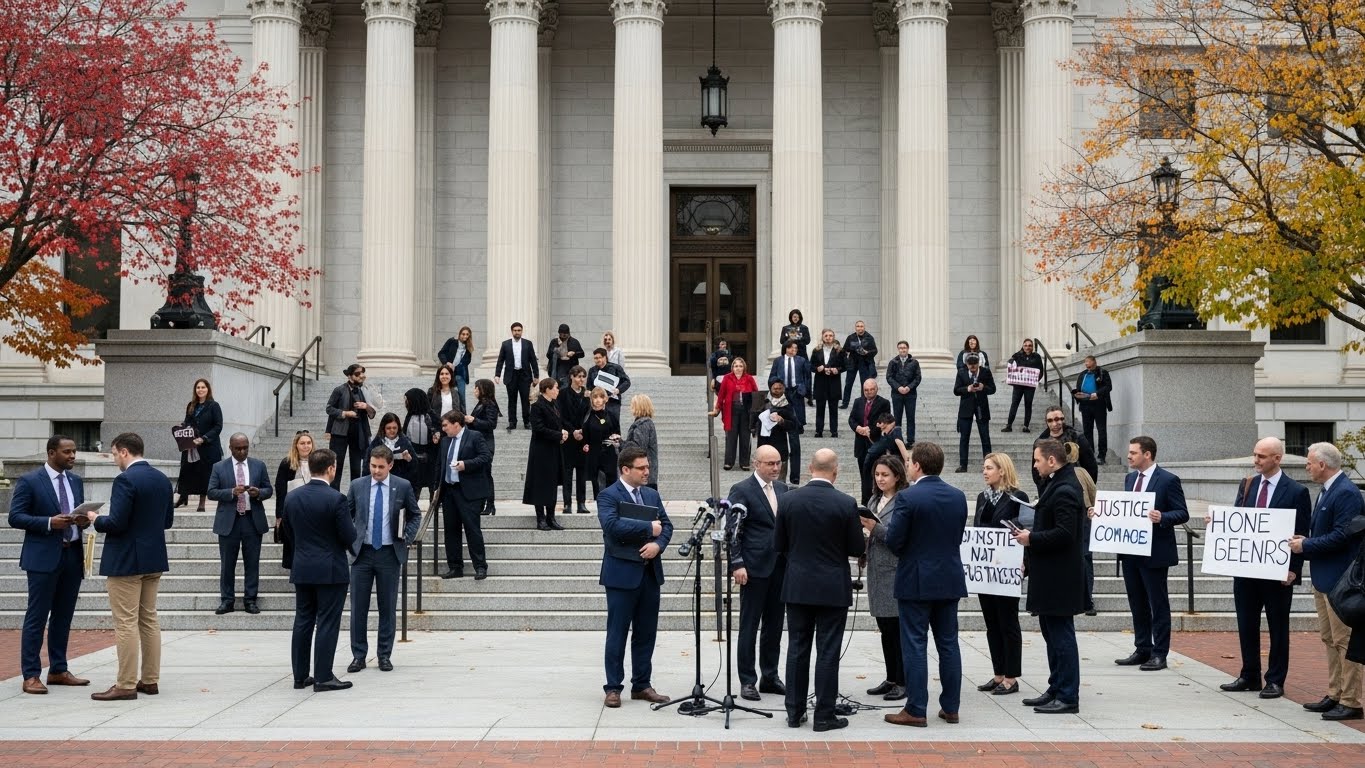
Pre-Dispute: Insufficient Evidence Submission
Failure Name: Insufficient Evidence Submission
Trigger: Failure to gather or properly preserve communication logs, claim correspondence, and investigation reports.
Severity: High - severely undermines dispute strength.
Consequence: Case posture weakens, increasing risk of adverse rulings and difficulty overcoming procedural objections.
Mitigation: Implement rigorous evidence management protocols and verify collection completeness before formal filings.
Ready to File Your Dispute?
BMA prepares your arbitration case in 30-90 days. Affordable, structured case preparation.
Start Your Case - $399Verified Federal Record: CFPB complaint data document a consumer in California reporting ongoing challenges with the company's investigation responses on 2026-03-08. This illustrates the critical importance of documenting investigation communications properly in disputes.
During Dispute: Procedural Omissions or Violations
Failure Name: Procedural Omissions or Violations
Trigger: Missed arbitration deadlines, improper filing formats, or procedural missteps due to inattention or lack of procedural knowledge.
Severity: High - can result in outright dismissal or case rejection.
Consequence: Lost opportunity to present evidence, case dismissal, or enforcement enforcement challenges.
Mitigation: Maintain a detailed arbitration schedule and conduct periodic compliance audits throughout the dispute.
Post-Dispute: Reliance on Inadequate Enforcement Data
Failure Name: Reliance on Inadequate Enforcement Data
Trigger: Using outdated or non-representative enforcement data to support claims or strategic decisions.
Severity: Moderate to high - can mislead strategy and damage credibility.
Consequence: Misdirected dispute approach, wasted resources, and potential reputational damage.
Mitigation: Conduct regular reviews of current enforcement data updated from authoritative sources such as CFPB and regulatory databases.
- Delayed or incomplete exchanges of documents from insurance mediators hinder timely preparation.
- Repeated early procedural objections regarding jurisdiction can stall or complicate dispute progress.
- Patterns of inconsistent or missing communication logs increase the risk of adverse outcomes.
- Claims involving severe delays are often linked to increased procedural complexity and enforcement scrutiny.
Decision Framework

| Scenario | Constraints | Tradeoffs | Risk If Wrong | Time Impact |
|---|---|---|---|---|
| Proceed with evidence-based dispute claim |
|
|
Weak case posture if evidence incomplete | Moderate to long duration due to documentation and arbitration scheduling |
| Engage regulatory enforcement if evidence indicates systemic issues |
|
|
Lost momentum in dispute or misguided strategy if enforcement data outdated | Long-term due to regulatory review periods |
| Seek settlement prior to arbitration |
|
|
Possible acceptation of less than full entitlement | Typically faster resolution but with tradeoffs |
Cost and Time Reality
Preparing a dispute involving an insurance mediator can cost between $1,000 and $7,500 depending on document complexity and legal support engaged. Arbitration filing fees with organizations such as the AAA often range from $750 to $2,500, with additional hourly legal review or evidence management charges. Dispute resolution timelines typically last three to six months but can extend longer in complex cases with procedural challenges.
Compared with full litigation, arbitration and mediation processes tend to be less costly and faster yet still require rigorous procedural compliance and evidence management. Individuals and small businesses should plan for upfront document gathering and legal consultation expenses.
For claim-specific financial benchmarking, visit estimate your claim value.
What Most People Get Wrong
- Assuming communication with insurance mediators is informal and undocumented. In reality, formal documentation is essential for dispute success.
- Overlooking arbitration procedural deadlines which can result in dismissals or forfeiture of rights.
- Relying solely on anecdotal reports without reviewing current enforcement or regulatory complaint data to frame claims.
- Failing to maintain copies of investigation responses or correspondence, leading to evidentiary gaps.
See more in the dispute research library.
Strategic Considerations
Professionals involved in insurance mediation disputes should assess whether their evidence supports proceeding to arbitration or if settlement is preferable due to procedural risks. Settlement discussions are prudent when evidence of delays or mishandling is incomplete or when enforcement trends suggest protracted regulatory involvement. Conversely, documented delays and consistent communication logs support pursuing full dispute arbitration.
Limitations include inability to guarantee outcomes based solely on enforcement data or general procedural knowledge. Each dispute demands customized strategies based on case-specific facts and compliance with current procedural rules.
Learn more about BMA Law's approach to dispute preparation.
Two Sides of the Story
Side A: Claimant
The claimant, a small business owner, experienced repeated delays in claim processing and inconsistent communication from the assigned insurance mediator. Despite submitting all required documentation timely, the claimant reported receiving conflicting updates and no substantive response to requests for investigation reports over several months.
Side B: Insurance Mediator
The insurance mediator maintained that responses to claimant inquiries followed standard protocols and that investigation delays were due to complex claim factors outside immediate control. The mediator's position emphasized procedural adherence and regulatory compliance throughout the dispute process.
What Actually Happened
Following detailed evidence submission, including logs of delayed responses and correspondence gaps, arbitration resulted in partial claim settlement favoring the claimant. The case highlighted the importance of documentation and procedural diligence as well as managing expectations regarding investigation complexities.
This is a first-hand account, anonymized for privacy. Actual outcomes depend on jurisdiction, evidence, and specific circumstances.
Diagnostic Checklist
| Stage | Trigger / Signal | What Goes Wrong | Severity | What To Do |
|---|---|---|---|---|
| Pre-Dispute | Missing initial communication records | Incomplete evidence weakens case | High | Immediately reconstruct communication logs; request copies from mediator |
| Pre-Dispute | Incomplete claim submission documentation | Procedural objections may prevail | High | Collect all claim submissions, confirm dates and receipt acknowledgments |
| During Dispute | Missed arbitration procedural filing deadlines | Loss of hearing rights or dismissal | High | Maintain timeline checklist; coordinate with legal counsel |
| During Dispute | Procedural objection raised on jurisdiction | Delay or dismissal risks | Medium | Prepare jurisdictional arguments and evidence citing arbitration agreements |
| Post-Dispute | Unclear enforcement of arbitration award | Delay in settlement receipt | Medium | Engage enforcement counsel; document award receipt protocols |
| Post-Dispute | Failure to monitor regulatory enforcement developments | Missed systemic claims or new dispute avenues | Low to Medium | Regularly review CFPB and federal enforcement databases |
Need Help With Your Insurance Dispute?
BMA Law provides dispute preparation and documentation services starting at $399.
Not legal advice. BMA Law is a dispute documentation platform, not a law firm.
FAQ
What qualifies as sufficient evidence in an insurance mediator dispute?
Sufficient evidence typically includes detailed communication logs, copies of claim submissions, mediator correspondence, and any documented responses to investigation requests. Arbitration rules such as AAA Rule R-14 require parties to present relevant evidence timely. Without clear documentation, claims risk dismissal or negative rulings. (See AAA Commercial Arbitration Rules, Rule R-14)
Can I file a complaint with a federal agency about insurance mediation issues?
Yes. If evidence suggests systemic mishandling or violations, filing complaints with agencies like the CFPB can support enforcement actions. Regulatory enforcement records help contextualize patterns of industry noncompliance. Complaints should be supported by detailed documentation to withstand review. (See CFPB Enforcement Records at consumerfinance.gov)
What are common procedural risks to avoid during arbitration?
Common procedural risks include missed filing deadlines, jurisdictional objections, incomplete evidence exchange, and failure to meet arbitration rules for submission format and timing. Such missteps can lead to case dismissal or reduced case strength. Maintaining a procedural timeline and adhering strictly to rules is crucial. (See Federal Arbitration Act; AAA Rules)
How should I manage communication with the insurance mediator?
All communications should be documented and preserved, including emails, phone call summaries, and letters. Use consistent formats for logs and confirm receipt of submissions. Inconsistent or incomplete records can critically impair dispute success. Proper evidence management best practices should be followed. (See Evidence Management Best Practices)
When is seeking settlement before arbitration advisable?
Settlement is advisable when evidence indicates high procedural or enforcement risks that may undermine arbitration prospects. Negotiations based on partial documentation can reduce risk and time but may lead to lower recoveries. Evaluate procedural weaknesses, case complexity, and enforcement data trends before deciding. (See dispute strategy frameworks)
References
- AAA Commercial Arbitration Rules - Procedural protocols and document submission standards
- CFPB Enforcement Records - Consumer protection enforcement data and complaint trends
- Federal Rules of Civil Procedure - Procedural timing and jurisdictional guidance
- Evidence Management Best Practices - Documentation and preservation guidelines
- ICC Arbitration Rules - Standardized dispute resolution procedures
Last reviewed: 06/2024. Not legal advice - consult an attorney for your specific situation.
Important Disclosure: BMA Law is a dispute documentation and arbitration preparation platform. We are not a law firm and do not provide legal advice or representation.
Get Local Help
BMA Law handles insurance claim arbitration across all 50 states:
Important Disclosure: BMA Law is a dispute documentation and arbitration preparation platform. We are not a law firm and do not provide legal advice or representation.