
$50,000 to $200,000+: Construction Law Arbitrators with Industry-Specific Expertise
By BMA Law Research Team
Direct Answer
Construction law arbitrators possessing industry-specific expertise play a pivotal role in the resolution of construction-related disputes. Their specialized knowledge of construction standards, safety regulations, technical evidence, and industry practices ensures accurate interpretation of complex contractual and technical issues. According to the Model Arbitration Rules (Section 6.2), arbitrators are required to have qualifications relevant to the dispute subject matter, which in the context of construction claims means familiarity with building codes, OSHA standards, and common construction contractual frameworks.
Federal rules, including those found in Title 29 CFR Part 1926 (OSHA Construction Standards), provide detailed safety and regulatory requirements that arbitration professionals must understand to fairly assess evidence such as safety violation reports or inspection records. Without such expertise, arbitrators risk misjudging technical facts or misinterpreting industry-specific documentation, which can adversely affect outcomes. Industry-specific arbitrators improve dispute fairness, reduce procedural risks, and increase the likelihood that technical evidence is accorded appropriate weight.
- Arbitrators with construction expertise better evaluate technical evidence and contractual details.
- Federal enforcement data, such as OSHA citations, highlights the relevance of safety compliance in disputes.
- Procedural risks increase when arbitrators lack industry-specific knowledge, potentially causing misinterpretation.
- Thorough preparation of industry-specific technical documentation increases case credibility and outcome predictability.
- Selection of specialized arbitrators requires vetting profiles and prior construction-related case experience.
Why This Matters for Your Dispute
Construction disputes often hinge on precise technical and regulatory issues that demand deep familiarity with industry norms and standards. Without an arbitrator versed in these facets, parties risk rulings based on misunderstandings of construction contracts, safety violations, or technical evidence. For example, federal enforcement records show a heavy construction operation in Milwaukie, Oregon, was cited on 2025-07-17 for a "W" type violation with a penalty of $79,080. Such compliance and violation details are crucial background factors in disputes mediated or arbitrated within the construction sector.
Similarly, specialty trades operations in Beaverton and Aloha, Oregon, received multiple "R" violation citations between November and December 2025 carrying penalties ranging from approximately $49,000 to $63,000. Arbitrators knowledgeable in OSHA construction standards (29 CFR Part 1926) will correlate these federal enforcement records to relevant aspects of the dispute, assessing whether the alleged violations impact contractual obligations or liability. This level of expertise underpins more accurate fact-finding and risk evaluation during arbitration.
Parties preparing construction arbitration disputes benefit markedly from engaging arbitrators with this industry context. Missteps from generic legal professionals unfamiliar with construction practices can lead to misinterpretations, loss of case credibility, or adverse rulings. BMA Law’s arbitration preparation services assist consumers and small businesses in assembling precise, compliant evidence aligned with arbitrator expertise, improving the odds of effective dispute resolution.
How the Process Actually Works
- Arbitrator Screening and Selection: Review arbitrator profiles to verify construction industry experience and certifications. Look for prior case involvement in building disputes, familiarity with construction standards, and technical background.
- Documentation Gathering: Collect all relevant construction contracts, change orders, inspection reports, safety violation notices (e.g., OSHA citations), and project correspondence. This evidence forms the core submission.
- Evidence Organization: Structure evidence by categories such as contractual terms, change documentation, compliance records, and safety issues. Incorporate federal enforcement data to reinforce violation claims or establish compliance.
- Pre-Arbitration Technical Review: Engage construction law experts to review evidence for completeness and technical accuracy, ensuring terminology and standards align with industry expectations.
- Arbitration Session Preparation: Brief arbitrators on industry-specific context and evidence particulars. Prepare witness testimony, expert reports, and demonstrations addressing construction practices and standards.
- Presentation and Hearing: Submit organized evidence, question witnesses, and clarify technical issues during the arbitration. An arbitrator with construction expertise will evaluate nuances effectively.
- Post-Hearing Submissions: Provide any supplementary documents or clarifications requested. Such submissions should maintain focus on construction-specific data and regulations.
- Award Issuance and Review: The arbitrator issues a decision considering all technical and contractual evidence. Parties may review the award and decide on enforcement steps or further dispute resolution.
For detailed guidance on preparing arbitration documentation, see dispute documentation process.
Where Things Break Down
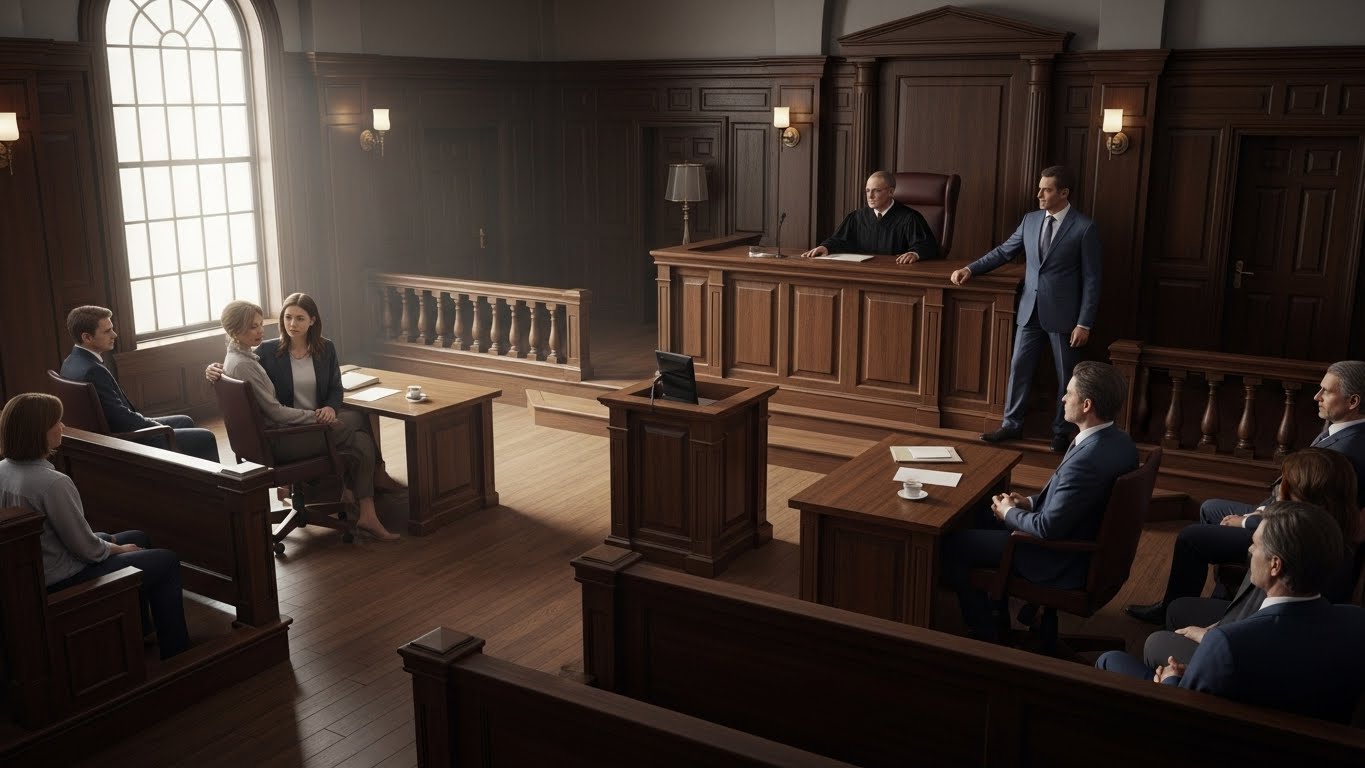
Pre-Dispute: Selection of Arbitrators Lacking Industry Expertise
Failure Name: Selection without construction knowledge
Trigger: Ignoring construction experience in arbitrator profiles
Severity: High
Consequence: Misinterpretation of complex technical evidence, increased delays, and potential unfavorable rulings.
Mitigation: Conduct detailed verification of arbitrator qualifications; prioritize candidates with relevant construction certifications and prior arbitration in this sector.
Ready to File Your Dispute?
BMA prepares your arbitration case in 30-90 days. Affordable, structured case preparation.
Start Your Case - $399Verified Federal Record: OSHA reports show a specialty trades operation in Lexington, Kentucky was cited on 2025-12-05 for a "R" safety violation carrying $70,000 in penalties. Knowledge of such issues is critical when arbitrating construction disputes involving safety compliance.
During Dispute: Insufficient Technical Evidence Preparation
Failure Name: Incomplete or non-aligned evidence
Trigger: Omission of industry standards and inspection reports
Severity: High
Consequence: Reduced credibility, inability to substantiate claims, possible dismissal.
Mitigation: Use standardized evidence checklists aligned with construction contracts and OSHA regulations; engage technical experts for evidence review.
Post-Dispute: Failure to Address Procedural Risks
Failure Name: Overlooking procedural intricacies after arbitration award
Trigger: Neglecting potential challenges or enforcement steps
Severity: Medium
Consequence: Delays in award enforcement, increased costs.
Mitigation: Consult arbitration rules such as the Model Arbitration Rules; plan for procedural follow-up with experts.
- Failure to verify arbitrator construction credentials before confirmation.
- Ignoring OSHA or safety violation reports as irrelevant evidence.
- Submitting evidence that relies on generic contract templates without project-specific context.
- Not engaging expert witness testimony to explain technical construction details.
Decision Framework

| Scenario | Constraints | Tradeoffs | Risk If Wrong | Time Impact |
|---|---|---|---|---|
| Engage Expert Construction Arbitrator |
|
|
Misinterpretation if wrong arbitrator chosen | Moderate delay in start due to vetting |
| Prepare Detailed Technical Evidence |
|
|
Reduced credibility if inadequate evidence | Preparation extended by weeks or months |
| Rely on Generic Legal Expertise |
|
|
High risk of unfavorable ruling | Faster initiation but longer dispute duration possible |
Cost and Time Reality
Arbitration fees for construction disputes involving industry-specific arbitrators may range from $50,000 to $200,000+, depending on complexity, arbitrator seniority, and evidence volume. This compares to higher litigation costs and uncertain timelines. Construction arbitrators with specialized credentials generally command premium fees due to the technical knowledge required.
Preparation time can extend several months for compiling technical documentation such as contracts, OSHA violation reports, inspection findings, and expert analysis. However, engaging construction law specialists improves efficiency by ensuring that evidence aligns precisely with industrystandards, ultimately reducing procedural delays and risk of adverse rulings.
For a personalized estimate of potential claims and associated costs, visit estimate your claim value.
What Most People Get Wrong
- Misconception: Any arbitrator can effectively handle construction disputes.
Correction: Without construction-specific expertise, arbitrators are prone to misread complex technical evidence and industry standards, risking the integrity of the outcome. - Misconception: Generic contract documents suffice as evidence.
Correction: Industry-specific documentation such as change orders, inspection reports, and OSHA citations are essential for establishing compliance or violation. - Misconception: Evidence preparation can be minimal.
Correction: Detailed technical reviews by construction law experts are necessary to ensure evidence meets arbitration evidentiary standards. - Misconception: Arbitrator selection is solely a procedural formality.
Correction: Carefully vetting arbitrator credentials with an emphasis on construction industry experience mitigates risks of procedural errors and misinterpretations.
See more at dispute research library.
Strategic Considerations
Proceeding with arbitration should be considered when parties possess compelling industry-specific evidence and can secure arbitrators with construction expertise. Early engagement of qualified arbitrators facilitates evidence presentation aligned with technical standards, improving chances of a favorable award. Conversely, settlement strategies may be appropriate when technical complexities or compliance data weigh heavily against either party.
Limitations of arbitration include restricted appeal options and dependency on arbitrator knowledge. Risk mitigation requires thorough verification of arbitrator qualifications and preparation of comprehensive technical evidence within the scope of relevant construction codes and safety regulations.
Learn more about BMA Law's approach to arbitration preparation for industry-specific disputes.
Two Sides of the Story
Side A: Contractor
The contractor entered arbitration after disagreements regarding change orders and safety compliance allegations. They emphasized compliance with OSHA construction standards and submitted detailed inspection reports. The contractor sought an arbitrator with heavy construction experience to assess technical evidence and contractual obligations accurately.
Side B: Specialty Trades Subcontractor
The subcontractor disputed penalty charges stemming from alleged safety violations documented by federal inspectors. They requested an arbitrator familiar with specialty trades and OSHA regulations to provide a fair interpretation of enforcement data and contractual duties related to workplace safety.
What Actually Happened
The parties jointly agreed on an arbitrator with construction industry expertise, who effectively evaluated the technical documentation and enforcement records. The arbitrator’s understanding of OSHA citations and contractual intricacies led to a resolution that balanced compliance considerations with contractual interpretations. Both sides avoided protracted litigation and reduced procedural risk through specialized arbitration.
This is a first-hand account, anonymized for privacy. Actual outcomes depend on jurisdiction, evidence, and specific circumstances.
Diagnostic Checklist
| Stage | Trigger / Signal | What Goes Wrong | Severity | What To Do |
|---|---|---|---|---|
| Pre-Dispute | Arbitrator profiles lack construction experience | Risk of technical misunderstanding | High | Vet qualifications; prioritize industry-specific arbitrators |
| Pre-Dispute | Missing OSHA violation references in evidence | Inadequate risk assessment and claim support | High | Incorporate enforcement records and inspection reports |
| Pre-Dispute | Lack of expert technical review | Misaligned evidence presentation | Medium | Engage construction law specialists |
| During Dispute | Arbitrator misunderstanding technical evidence | Incorrect rulings, procedural delays | High | Clarify technical points through expert testimony |
| Post-Dispute | Failure to enforce award correctly | Award delays, increased costs | Medium | Follow procedural enforcement protocols |
| Post-Dispute | Omitted OSHA or inspection evidence in appeal or review | Weakened case integrity and position | Medium | Include all relevant documentation in follow-up submissions |
Need Help With Your Employment Dispute?
BMA Law provides dispute preparation and documentation services starting at $399.
Not legal advice. BMA Law is a dispute documentation platform, not a law firm.
FAQ
What qualifications should I look for in a construction law arbitrator?
Look for arbitrators with documented experience handling construction disputes, relevant industry certifications, and knowledge of construction standards such as OSHA regulations (29 CFR Part 1926). The Model Arbitration Rules Section 6.2 recommend selecting arbitrators with expertise tailored to dispute subjects to ensure accurate evidence assessment.
How does OSHA enforcement data influence construction arbitration disputes?
Federal OSHA enforcement records provide objective data regarding safety compliance or violations, which are often central to construction disputes. Arbitrators familiar with these standards can weigh such citations accurately, affecting liability and risk assessment as documented in penalties like the $79,080 citation against a heavy construction firm in Oregon.
Can I use a generic legal arbitrator for my construction dispute?
While possible, using an arbitrator without construction-specific expertise increases the risk of misinterpretation of complex technical and contractual evidence. Specialized arbitrators improve the accuracy of rulings, particularly in matters involving detailed industry practices and safety regulations.
What evidence is essential to prepare for construction arbitration?
Critical evidence includes construction contracts, change orders, inspection reports, safety violation notices such as OSHA citations, and expert analyses. Fully detailed and industry-contextual documents are necessary to substantiate claims and improve credibility with arbitrators.
How can I mitigate procedural risks in construction arbitration?
Mitigation strategies include selecting arbitrators with verified industry expertise, preparing comprehensive technical documentation, engaging expert technical reviewers before hearings, and using a standardized evidence checklist aligned with current construction regulations.
References
- Model Arbitration Rules - Defines arbitrator qualifications & appointment: iaa.arbitration.org
- Federal Civil Procedure - Guides evidence submission standards: fedvarcivproc.gov
- OSHA Construction Standards - Safety regulations and violations context: osha.gov/construction
- Federal OSHA Enforcement Data - Provides violation penalty records relevant to construction disputes: osha.gov/enforcement
Last reviewed: June/2024. Not legal advice - consult an attorney for your specific situation.
Important Disclosure: BMA Law is a dispute documentation and arbitration preparation platform. We are not a law firm and do not provide legal advice or representation.
Get Local Help
BMA Law handles employment dispute arbitration across all 50 states:
Important Disclosure: BMA Law is a dispute documentation and arbitration preparation platform. We are not a law firm and do not provide legal advice or representation.