
$5,000 to $50,000+ Dispute Outcomes: ADR Services in San Francisco
By BMA Law Research Team
Direct Answer
Alternative Dispute Resolution (ADR) services in San Francisco provide structured frameworks primarily involving mediation and arbitration to resolve contract disputes efficiently outside traditional court litigation. Under California Civil Procedure Code sections 1280 to 1294.2, these ADR processes are governed by codified legal standards ensuring enforceability and procedural fairness.
Consumers, claimants, and small-business owners using ADR services in San Francisco typically encounter mediation as a facilitated negotiation process and arbitration as a more formal, adjudicative mechanism. The rules promulgated by leading institutions such as the [anonymized] align with California's regulations and local San Francisco policies, emphasizing timeliness, confidentiality, and binding awards. These mechanisms handle disputes ranging from commercial agreements to consumer contracts.
Legal frameworks supporting these processes include the California Arbitration Act, specifically CCP §§ 1280-1294.2, which mandates procedures for notice, arbitration hearings, and award enforcement. San Francisco-specific administrative regulations may also impact ADR logistics and fees.
- San Francisco ADR services include mediation and arbitration governed by California law.
- Contract disputes handled via ADR range widely in industry and monetary value.
- Procedural compliance under CCP §§ 1280-1294.2 is critical for enforceability.
- Evidence management and documentation are essential for dispute success.
- Enforcement data highlight procedural and evidentiary pitfalls impacting outcomes.
Why This Matters for Your Dispute
The use of ADR services in San Francisco is increasingly preferred for contract disputes due to speed, cost efficiency, and confidentiality compared to court litigation. Yet, these benefits come with inherent complexities in preparation and compliance. The risk of procedural missteps or insufficient evidence undermines the efficiency and enforceability of awards.
Federal enforcement records demonstrate the significance of regulatory scrutiny in commercial contract and consumer-related disputes. For example, while not specific to ADR but indicative of dispute frequency, a consumer in California filed a complaint related to credit reporting issues on 2026-03-08, highlighting persistent consumer contract disputes that often resolve through ADR mechanisms. These details provide context emphasizing the importance of thorough preparation.
San Francisco local regulations and California Civil Procedure Code impose strict procedural and evidentiary standards, underscoring the need for claimants and small-business owners to understand legal requirements thoroughly. Without adherence to these standards, parties risk dismissal or unenforceability of awards. For those seeking arbitration preparation, carefully aligned strategies with these rules improve chances of favorable resolution outcomes and reduce procedural exposure.
For support navigating these complexities, see arbitration preparation services.
How the Process Actually Works
- Case Eligibility Assessment: Evaluate if the dispute qualifies for ADR based on contract clauses and local regulations. Gather initial documentation to verify jurisdiction and scope.
- Selection of ADR Mechanism: Decide whether mediation, arbitration, or court litigation suits the dispute, considering enforceability and cost. Review contractual language and procedural rules.
- Filing Notice of Dispute: Submit the formal dispute notice to ADR providers and opposing parties, ensuring compliance with CCP § 1281.2 regarding arbitration demand requirements. Maintain copies and service records.
- Evidence Compilation: Collect contracts, communication records, and related materials meeting evidence admissibility standards (Cal. Evid. Code §§ 1500+). Conduct a pre-dispute evidence audit to prevent omissions.
- Procedural Preparation: Review applicable arbitration or mediation rules (e.g., AAA Model Arbitration Rules) and San Francisco local guidelines. Confirm deadlines and prepare submissions accordingly.
- Conduct of ADR Session: Participate in scheduled mediation meetings or arbitration hearings. Present prepared evidence, engage in settlement discussions, or argue claims following agreed procedures.
- Award or Agreement Finalization: Receive binding arbitration awards or mediated settlement agreements. Review for compliance with CCP §§ 1286.2 and 1294 related to enforcement and appeals.
- Enforcement Actions if Needed: If one party resists compliance, initiate enforcement proceedings in California courts as prescribed under CCP § 1285 et seq.
For more detailed documentation instructions, please visit dispute documentation process.
Where Things Break Down
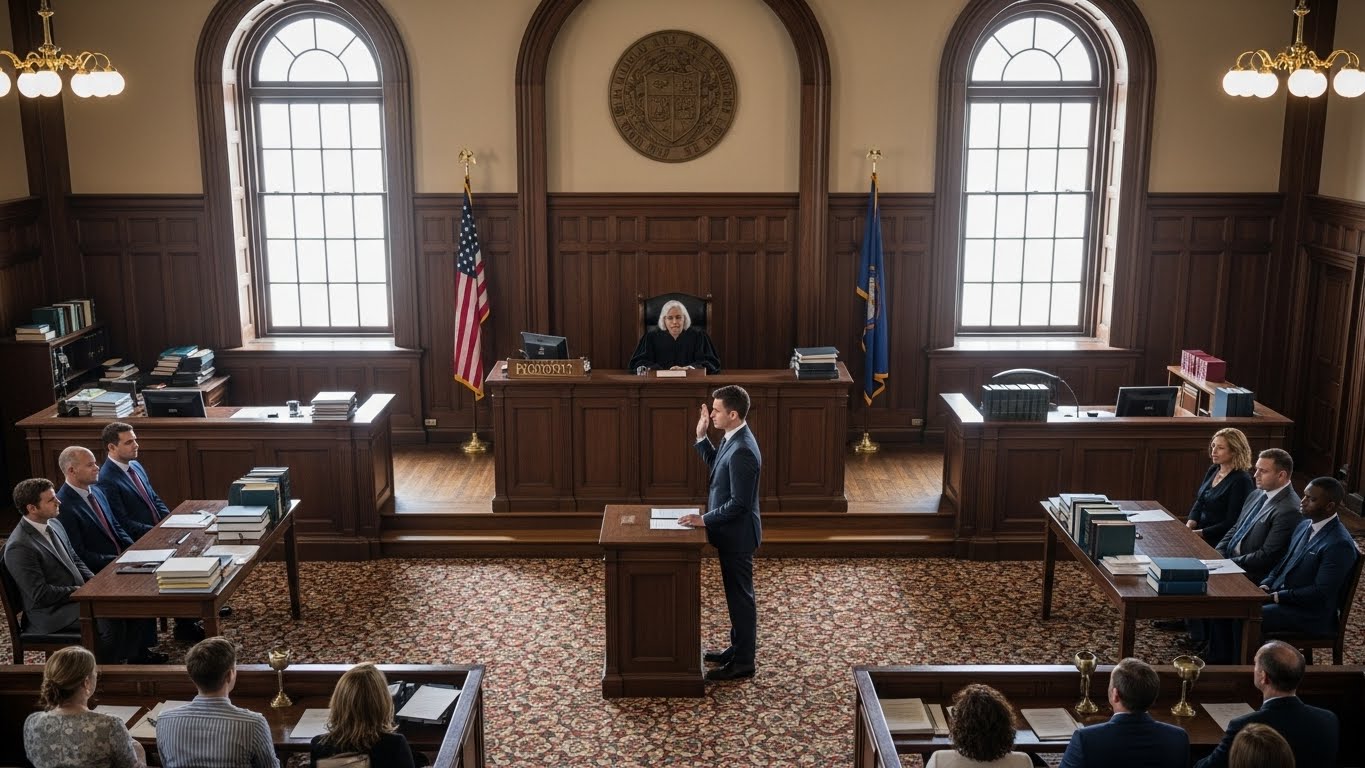
Pre-Dispute Failures
Failure Name: Incomplete Evidence Submission
Trigger: Evidence discrepancies or oversight during initial review.
Severity: High - critical to claim validity.
Consequence: Possible dismissal or adverse inference undermining case strengths.
Mitigation: Conduct a comprehensive pre-dispute evidence audit with documented communications and contracts.
Ready to File Your Dispute?
BMA prepares your arbitration case in 30-90 days. Affordable, structured case preparation.
Start Your Case - $399Verified Federal Record: A consumer complaint in California regarding improper investigation into credit reporting complaints highlights the need for thorough evidentiary preparation. Details have been changed to protect the identities of all parties.
During Dispute Failures
Failure Name: Procedural Non-compliance
Trigger: Missed deadlines or improper service of process.
Severity: Critical - invalidates dispute progression.
Consequence: Risk of default judgment or arbitration dismissal.
Mitigation: Use detailed procedural checklists aligned with arbitration rules and conduct regular compliance audits.
Post-Dispute Failures
Failure Name: Misinterpretation of Arbitration Rules
Trigger: Improper legal advice or misunderstanding of procedural requirements.
Severity: Medium to high - impacts enforcement or appeal opportunities.
Consequence: Potential invalidation or incomplete enforcement of awards.
Mitigation: Monitor current procedural updates and consult authoritative sources to confirm rule interpretations.
- Late or incomplete filing of required arbitration documents.
- Insufficient witness preparation or failure to identify key experts.
- Poor record-keeping of pre-dispute communications leading to credibility issues.
- Ignoring San Francisco local ADR fee and procedural variations.
Decision Framework
| Scenario | Constraints | Tradeoffs | Risk If Wrong | Time Impact |
|---|---|---|---|---|
| Select Appropriate Dispute Mechanism |
|
|
Loss of enforceability or increased expenses | Mediation: weeks; Arbitration: months; Litigation: years |
| Determine Evidence Sufficiency |
|
|
Dismissal or adverse rulings | Preparation delays may prolong resolution |
| Assess Procedural Compliance Risks |
|
|
Default judgment or lost rights | Delays or accelerated loss of hearing |
Cost and Time Reality
ADR services in San Francisco generally cost less than full court litigation but carry their own fee structures. Mediation fees range from $500 to $3,000 per session, often split between parties. Arbitration presents higher fees, commonly between $3,000 and $10,000 or more depending on case length and arbitral institution. Additional costs include administrative fees, arbitrator compensation, and evidence preparation expenses.
Resolution timelines vary: mediation can complete within weeks, arbitration may last several months, while court litigation frequently extends multiple years. Parties should anticipate preparation time, notably in evidence gathering and procedural compliance.
Compared to litigation, ADR reduces risks of protracted appeals but may limit appeal rights. Early and adequate preparation significantly shortens dispute resolution, reducing expenditure. For personalized estimates, consider estimate your claim value.
What Most People Get Wrong
- Misconception: ADR is always quicker than court.
Correction: Poorly managed evidence or procedural errors can cause delays even in ADR. - Misconception: Arbitration awards can always be appealed.
Correction: California CCP §§ 1286.2 limit appeal rights severely compared to court judgments. - Misconception: Mediation results in binding decisions.
Correction: Mediation outcomes are typically voluntary settlements, not binding unless formalized. - Misconception: Any evidence can be used in ADR as in court.
Correction: Evidence admissibility depends on arbitration rules and agreed procedural standards.
For deeper exploration, visit our dispute research library.
Strategic Considerations
Deciding when to proceed with ADR versus pursuing settlement in contract disputes involves balancing evidentiary strength, cost considerations, and time sensitivity. ADR favors those with clear contractual evidence and mutual interest in avoiding litigation expense. Settlements may be preferred when risks or compliance complexities render arbitration unattractive.
Limitations include restricted appeal rights, potential procedural rigidity, and expense unpredictability. Parties must assess whether arbitration aligns with dispute complexity and enforceability goals within San Francisco's regulatory environment.
To understand BMA Law's methodology for ADR dispute support, review BMA Law's approach.
Two Sides of the Story
Side A: Claimant
The claimant alleges breach of contract involving a small-business supply agreement. They report delayed invoicing payments and inadequate contract fulfillment. Preferring arbitration over court to avoid higher litigation costs, the claimant prepared substantial documentary evidence and sought mediator intervention to preserve business relationships.
Side B: Respondent
The respondent, a service provider, contends partial performance owing to extenuating supply chain disruptions. They preferred mediation to clarify contract ambiguities and negotiate a revised payment schedule. They emphasized procedural adherence and prompt submission of all communications for fairness.
What Actually Happened
The parties engaged in mediation facilitated by an AAA-certified mediator in San Francisco. Evidence audits prior to mediation identified missing key communications, necessitating follow-up exchanges. After productive sessions, the parties reached a settlement agreement resolving payment timelines without arbitration escalation.
This is a first-hand account, anonymized for privacy. Actual outcomes depend on jurisdiction, evidence, and specific circumstances.
Diagnostic Checklist
| Stage | Trigger / Signal | What Goes Wrong | Severity | What To Do |
|---|---|---|---|---|
| Pre-Dispute | Missing key contracts or communication records | Incomplete evidence submission | High | Perform a full evidence audit, validate all documents |
| Pre-Dispute | Unclear arbitration clause in contract | Improper dispute mechanism selection | Medium | Consult legal counsel, clarify contract terms |
| During Dispute | Missed procedural filing deadlines | Procedural default risks | Critical | Use procedural checklists, confirm timelines |
| During Dispute | Inadequate witness or expert evidence | Reduced claim credibility | High | Invest in expert reports and witness prep |
| Post-Dispute | Failure to enforce award timely | Delays in resolution | Medium | Monitor enforcement deadlines, initiate court action if necessary |
| Post-Dispute | Misinterpretation of award terms | Non-compliance or litigation risk | Medium | Seek legal review before enforcement |
Need Help With Your Contract Dispute?
BMA Law provides dispute preparation and documentation services starting at $399.
Not legal advice. BMA Law is a dispute documentation platform, not a law firm.
FAQ
What types of disputes are typically resolved using ADR services in San Francisco?
ADR in San Francisco commonly resolves contract disputes including commercial agreements, service contracts, and consumer claims. Mediation and arbitration provide alternatives to court, handling issues such as payment delays, contract breaches, and performance disagreements under CCP §§ 1280-1294.2.
How is evidence handled in arbitration compared to traditional court litigation?
Arbitration evidence admissibility is governed by specific arbitration rules, such as AAA’s Model Arbitration Rules, and may permit more flexibility than court procedures. However, parties must still preserve and submit relevant documentary and testimonial evidence in line with California Civil Procedure and Evidence Codes to maintain procedural compliance.
What are the risks of procedural non-compliance in ADR?
Failure to comply with procedural requirements like filing deadlines or service of process can lead to default judgments or dismissal of disputes under California law. CCP §§ 1281.2 and related sections impose strict conditions for notice and participation, making checklists and audits important to avoid adverse outcomes.
Can arbitration awards be appealed in California?
Generally, arbitration awards have very limited appeal rights under CCP § 1286.2. Appeals are only possible for specific statutory grounds such as corruption, fraud, or evident partiality, which restricts the parties’ ability to challenge the substance of decisions.
How does San Francisco local regulation affect ADR services?
San Francisco imposes additional administrative regulations regarding ADR provider registration, fee structures, and timelines. Compliance with these local rules complements state law, ensuring valid proceedings and enforceable awards within municipal jurisdiction.
References
- California Civil Procedure Code - Governs arbitration and dispute resolution procedure in California.
- American Arbitration Association Model Arbitration Rules - Provides procedural standards for arbitration.
- Federal Trade Commission Consumer Protection Regulations - Guides consumer dispute frameworks relevant to ADR cases.
- California Regulatory Agencies Guidance - Contains updates on state and local regulatory enforcement affecting ADR procedures.
- AIC Guide to Dispute Resolution - Best practices for dispute process management.
Last reviewed: June 2024. Not legal advice - consult an attorney for your specific situation.
Important Disclosure: BMA Law is a dispute documentation and arbitration preparation platform. We are not a law firm and do not provide legal advice or representation.
Get Local Help
BMA Law handles contract dispute arbitration across all 50 states:
Important Disclosure: BMA Law is a dispute documentation and arbitration preparation platform. We are not a law firm and do not provide legal advice or representation.