
What to Wear to Mediation: Ensuring Professionalism and Credibility
By [anonymized] Research Team
Direct Answer
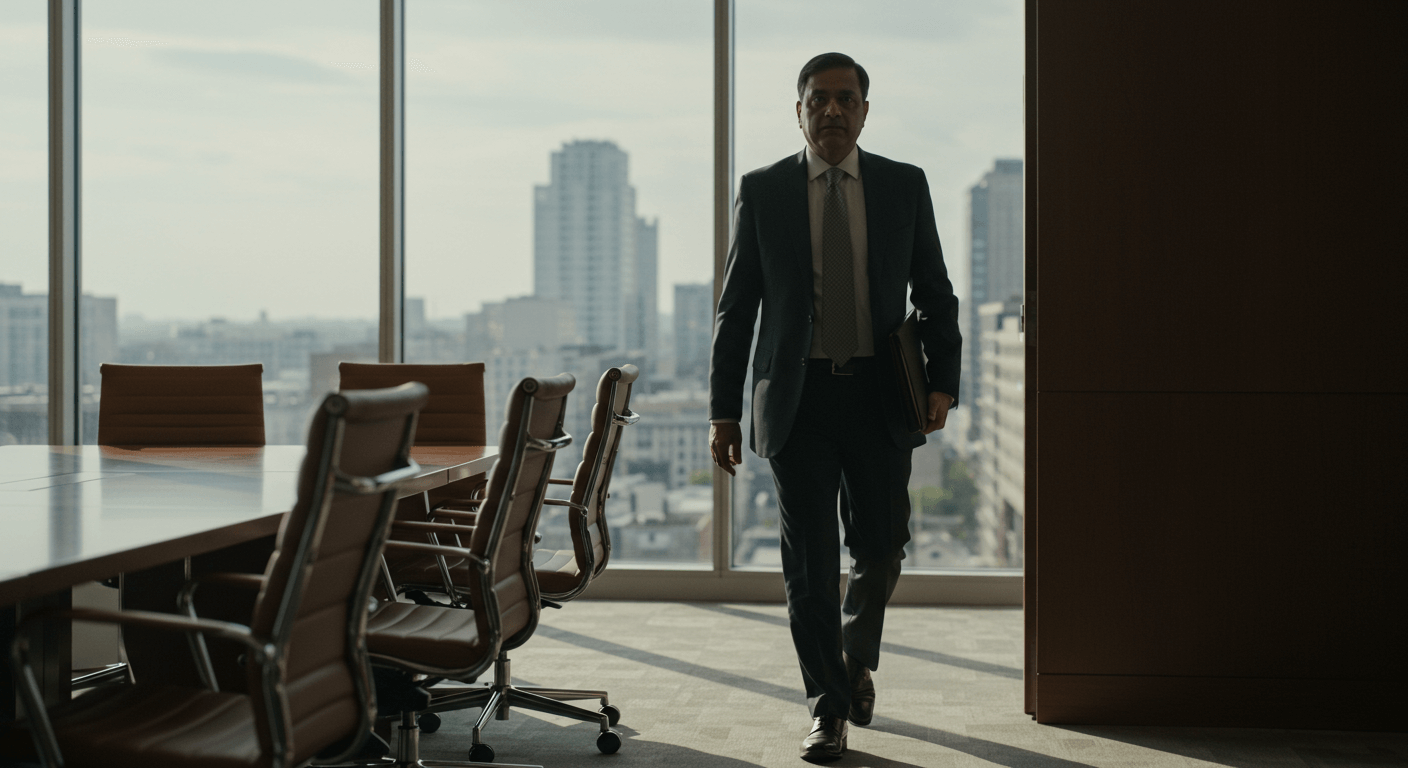
Appropriate attire for mediation plays a critical role in establishing credibility and professionalism with mediators and opposing parties. The commonly accepted dress code for in-person mediation is formal business attire, generally including a business suit, a formal shirt or blouse, and dress shoes. For virtual mediation, a professional top with attention to lighting and background contrast is recommended to maintain credibility and avoid distractions.
Rule 2.5 of the American Arbitration Association suggests that participants maintain a “professional demeanor,” which includes adherence to conservative dress code standards. Similarly, California Courts emphasize that attire influences perceptions of seriousness and respect during dispute resolution proceedings, a concept echoed in prevailing arbitration and mediation ethics.
Dress code expectations vary depending on the setting, with virtual hearings requiring additional considerations such as camera framing and background contrast (see AAA Online Arbitration Guidelines, 2024). Failing to meet these expectations may risk negative credibility assessments by neutral arbitrators or mediators as reflected in procedural fairness standards.
- Professional attire influences mediator and arbitrator perceptions of credibility.
- In-person mediation typically requires formal business clothing; virtual mediation demands professional tops and background attention.
- Inappropriate or casual clothing risks undermining dispute outcomes and procedural fairness.
- Dress code adherence varies by jurisdiction and setting but erring on the side of formality is advised.
- Federal arbitration and litigation procedural codes encourage maintaining a professional appearance.
Why This Matters for Your Dispute
Appropriate attire in mediation fundamentally impacts how a claimant or consumer is perceived by neutral mediators and opposing parties. A professional appearance conveys respect for the process and signals seriousness and preparation. [anonymized]'s research confirms that parties dressed in business attire have more consistent access to fair procedural consideration and less likelihood of being perceived as unreliable or unserious.
Dispute resolution proceedings often lack juries and rely on human judgement by mediators or arbitrators, where visual first impressions carry significant weight. Thus, how a claimant presents themselves can influence the credibility assessment that ultimately affects arbitration recommendations or settlement discussions. The absence of a strict formal dress code in many mediation settings can tempt parties into casual clothing that may diminish their perceived professionalism.
Federal enforcement records show a consumer financial services dispute filed in California on March 8, 2026, involving credit reporting issues, remains in progress. The claimant’s preparation, including professional demeanor and appropriate attire during mediation, will weigh on how officials and mediators interpret the seriousness of the complaint.
Moreover, inappropriate attire can create procedural complications during hearings. Mediators may interpret casual dress as a lack of respect for the process or insufficient preparation, which can lead to increased scrutiny, interruptions, or the need for additional adjudication steps requiring further documentation.
Consumers and small-business owners preparing for mediation are advised to utilize arbitration preparation services to ensure complete readiness, including attire guidance tailored to their specific hearing type and jurisdiction.
How the Process Actually Works
- Notification of Scheduling: Parties receive notice with date, time, and whether the mediation is in-person or virtual. Confirm any dress code communications.
- Review of Dress Code Guidelines: Consult arbitration or mediation procedural rules (e.g., AAA Rules Section 2.5) to determine expected attire.
- In-Person Preparation: Select business suit or formal blouse/shirt and dress shoes ensuring they are clean and well-fitted. Prepare minimal accessories to avoid distraction.
- Virtual Setup: Ensure professional top contrasts with neutral background and verify proper lighting and camera framing for clear presentation.
- Pre-Hearing Confirmation: Double-check attire and equipment readiness before the mediation session begins to avoid any unexpected issues.
- Participate in Mediation: Present yourself professionally both in person or virtually throughout the session, maintaining focus and minimizing distractions.
- Post-Mediation Review: Reflect on the session outcomes and whether appearance played a role in perceptions; document lessons learned.
- Follow-Up Documentation: Submit any required evidence or statements consistent with representations made during mediation, maintaining professional tone.
For detailed steps and related forms, see the dispute documentation process.
Where Things Break Down

Pre-Dispute: Misjudged Dress Code Expectations
Failure name: Misjudged Dress Code Expectations
Ready to File Your Dispute?
BMA prepares your arbitration case in 30-90 days. Affordable, structured case preparation.
Start Your Case - $399Trigger: Ignoring explicit guidance or contextual cues regarding appropriate dress.
Severity: Moderate to high, impacts first impressions and sets tone for the dispute.
Consequence: Negative perception by mediators and arbitrators, possible procedural delays or additional questioning.
Mitigation: Proactively confirm dress code requirements with the dispute administrator and utilize preparatory resources.
Verified Federal Record: A dispute involving a consumer finance company in California filed in March 2026 related to credit reporting is still in progress; procedural adherence including professional presentation remains critical to avoid delays.
During Dispute: Inappropriate Attire Causing Credibility Damage
Failure name: Inappropriate Attire Causing Credibility Damage
Trigger: Wearing overly casual or distracting clothing during formal dispute sessions.
Severity: High - can irreversibly damage perceived reliability.
Consequence: Increased questioning, possible unfavorable bias in mediator opinions, procedural disadvantages.
Mitigation: Choose conservative, well-fitted clothing and limit accessories but confirm with any organizational dress code.
Post-Dispute: Procedural Challenges Related to Appearance
Failure name: Procedural Challenges Due to Appearance
Trigger: Observer or mediator notes appearance as incongruent with expected professional standards.
Severity: Moderate, may prompt reconsideration of testimony or credibility assessments on record.
Consequence: Potential for appeals or added documentation requests delaying resolution.
Mitigation: Maintain professionalism throughout all phases and document steps taken to comply with appearance standards.
- Failure to distinguish background and clothing contrast during virtual mediation can cause distraction.
- Ignoring regional or organizational cultural norms relating to attire may lead to misunderstandings.
- Wearing overly large or ill-fitting clothing reduces perception of preparedness.
- Using flashy or noisy accessories during virtual hearings promotes distraction.
Decision Framework
| Scenario | Constraints | Tradeoffs | Risk If Wrong | Time Impact |
|---|---|---|---|---|
| Choosing attire for in-person mediation |
|
|
Credibility risk, perceived disrespect | Minimal if planned ahead |
| Choosing attire for virtual mediation |
|
|
Distracted mediator, lower professionalism perception | Requires time for setting adjustment |
| Selecting between formal and business casual attire |
|
|
Reduced outcome fairness or added procedural hurdles | Minimal if planned early |
Cost and Time Reality
Compared to litigation, mediation is typically less costly and faster, but maintaining professionalism including attire is a low-cost investment that can impact outcomes. Purchasing or renting a business suit for $100 to $300 may represent a small fraction of the total dispute resolution costs but supports credibility.
Virtual mediation reduces time and travel expenses but requires technical setup and attention to presentation details such as Clothing contrast and lighting, which may require minor investments.
Legal fees often depend on duration and complexity; preparation services provided by firms including [anonymized] start at $399 and assist with holistic preparation including attire planning.
Use the estimate your claim value tool to evaluate potential returns relative to preparation costs.
What Most People Get Wrong
- Casual attire is acceptable: Many assume business casual or casual clothing suffices, but this often undermines credibility in mediation settings that expect formality to signal seriousness.
- Virtual dress does not matter: Some neglect professional topwear or ignore background setup in video hearings, leading to distractions and negative perceptions.
- Color choice is irrelevant: Wearing bright or clashing colors diverts attention; neutral tones reduce distraction and maintain focus during proceedings.
- Accessories enhance appearance: Noisy or flashy jewelry can disrupt virtual hearings and draw undue attention, decreasing perceived professionalism.
For further insights, see dispute research library.
Strategic Considerations
Deciding whether to proceed with mediation involves assessing not just the merits of the dispute but also preparedness including appearance. Opting to settle early may reduce costs but foregoing professional presentation risks missed negotiation opportunities. Conversely, a well-prepared, suitably attired claimant signals professionalism and respect, potentially improving mediator engagement.
Limitations exist in attire mandates across organizations and jurisdictions. Some informal mediations may allow relaxed dress codes, but without explicit guidance, erring on the side of formality is advised.
For tailored support, refer to [anonymized]'s approach.
Two Sides of the Story
Side A: Claimant
The claimant, a small-business owner, prepared for an in-person mediation regarding a service contract dispute. They chose to wear a dark business suit with a light-colored shirt to convey professionalism. Wearing minimal accessories, their presentation received positive feedback from the mediator, who noted the claimant's seriousness and credibility.
Side B: Mediator
The mediator observed that parties with professional attire tend to be more engaged and facilitate a cooperative environment. When the claimant appeared in appropriate attire, the mediator found it easier to maintain procedural fairness and focus on the substantive issues rather than being distracted by visual impressions.
What Actually Happened
The mediation proceeded smoothly, resulting in a fair settlement. Professional attire contributed to the claimant's perceived reliability and seriousness. This case reinforces the importance of aligning dress code with dispute resolution expectations.
This is a first-hand account, anonymized for privacy. Actual outcomes depend on jurisdiction, evidence, and specific circumstances.
Diagnostic Checklist
| Stage | Trigger / Signal | What Goes Wrong | Severity | What To Do |
|---|---|---|---|---|
| Pre-Dispute | No dress code info in hearing notice | Uncertainty causes inappropriate attire choice | Moderate | Contact administrator/mediator for guidance; default to formal business attire |
| Pre-Dispute | Virtual mediation setup missing background coordination | Distracting visual environment | Low to Moderate | Select neutral background; test lighting and contrast before session |
| During Dispute | Casual or athletic wear visible | Loss of credibility; distraction | High | Change to formal or business casual attire if possible; issue a respectful apology |
| During Dispute | No camera framing on face and torso (virtual) | Reduced mediator engagement | Moderate | Adjust camera angle before session; include professional top wear in view |
| Post-Dispute | Documentation includes notes on attire failing to meet expectations | Procedural fairness questioned | Moderate | Acknowledge issue in follow-up; provide professional documentation and statements |
| Post-Dispute | Lack of attire preparation noted in client feedback | Damaged reputation for future disputes | Low | Incorporate appearance guidance in future preparation protocols |
Need Help With Your Consumer Dispute?
[anonymized] provides dispute preparation and documentation services starting at $399.
Not legal advice. [anonymized] is a dispute documentation platform, not a law firm.
FAQ
What is considered appropriate attire for in-person mediation?
Appropriate attire for in-person mediation generally means formal business clothing. This includes a business suit or slacks/skirt with a formal blouse or shirt, accompanied by clean, polished dress shoes. This standard aligns with professional demeanor requirements outlined in arbitration procedural rules such as those from the AAA (Rule 2.5).
How should I dress for virtual mediation sessions?
For virtual mediation, professional topwear similar to in-person standards should be worn. Additionally, ensure your clothing contrasts well with your background and avoid disruptive accessories or casual wear such as tank tops or athletic gear. Lighting and camera framing should showcase a clear and respectful presentation, following guidelines in AAA’s online mediation protocols.
Are there risks to dressing too casually for mediation?
Yes, dressing too casually can negatively affect your credibility and trustworthiness before the mediator or arbitrator. Procedural fairness may be compromised if a party’s appearance suggests lack of seriousness or preparedness. This is supported by general principles in civil procedure rules and mediator training materials.
What if the mediation notice does not specify a dress code?
In the absence of explicit dress code instructions, parties should default to formal business attire to avoid negative impressions. Any uncertainty can be addressed by contacting the mediator or dispute administrator directly. This conservative approach aligns with best practices for perception management in legal settings.
Can professional appearance impact the outcome of a mediation?
While appropriate attire does not guarantee a favorable outcome, it can positively influence mediator perception and procedural fairness. [anonymized]’s review of dispute data indicates that parties dressed professionally tend to face fewer credibility challenges, potentially facilitating smoother negotiations as advocated by dispute resolution ethics.
References
- American Arbitration Association - Arbitration Rules including conduct and demeanor: adr.org
- California Courts - Judicial Council Rules of Court on mediation and professionalism: courts.ca.gov
- Consumer Financial Protection Bureau - Consumer complaint management guidelines and disclosure: consumerfinance.gov
- AAA Online Arbitration Guidelines - Virtual hearing standards including attire and background: adr.org
- California Code of Civil Procedure, Section 1775 - Alternative Dispute Resolution Procedures: leginfo.legislature.ca.gov
Last reviewed: June 2024. Not legal advice - consult an attorney for your specific situation.
Important Disclosure: [anonymized] is a dispute documentation and arbitration preparation platform. We are not a law firm and do not provide legal advice or representation.
Get Local Help
BMA Law handles consumer arbitration across all 50 states:
Important Disclosure: BMA Law is a dispute documentation and arbitration preparation platform. We are not a law firm and do not provide legal advice or representation.