
$500 - $12,000 Per Consumer Dispute: What Is a Mediation Model?
By BMA Law Research Team
Direct Answer
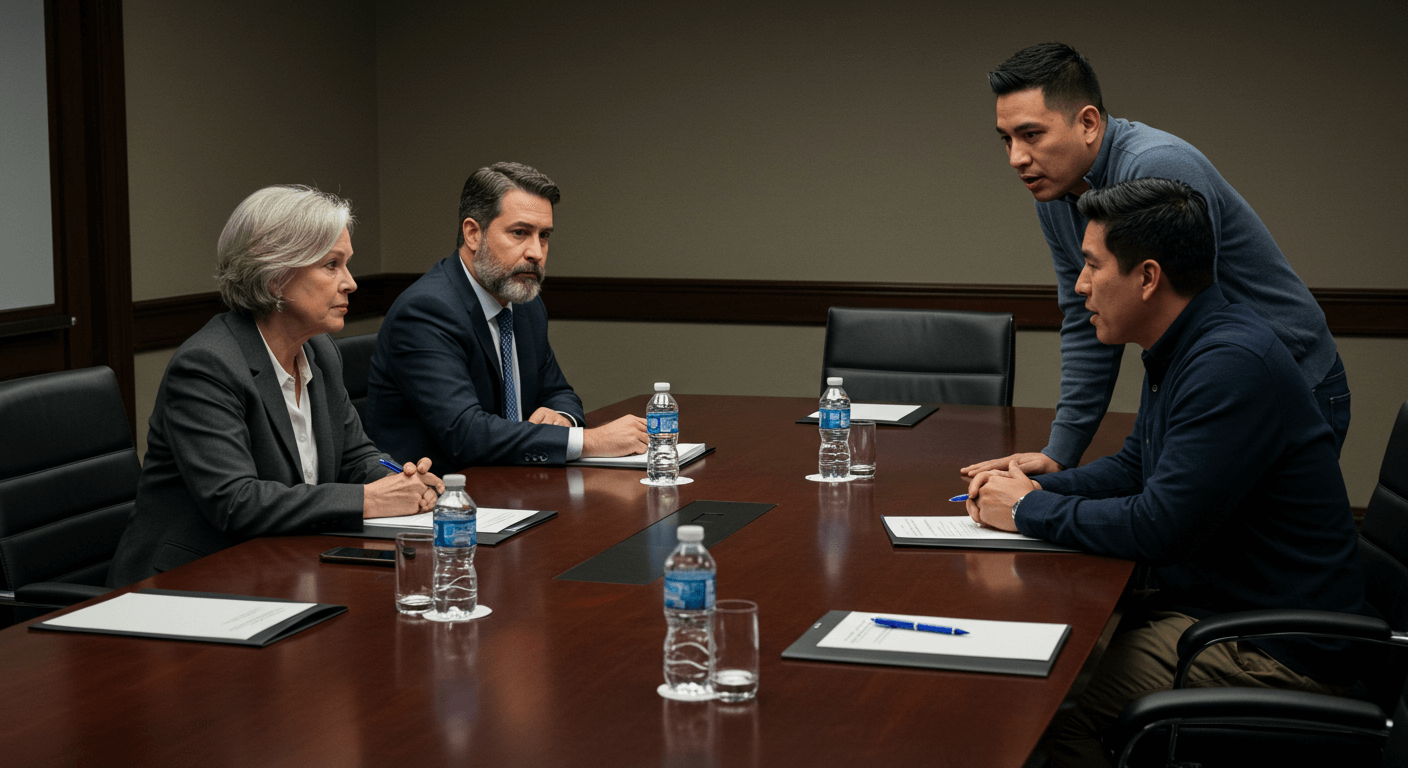
A mediation model is a voluntary alternative dispute resolution (ADR) process in which an impartial third party called a mediator facilitates communication between disputing parties. The goal is to assist them in reaching a mutually acceptable agreement without resorting to binding adjudication by a court or arbitrator. Mediation is governed by procedural frameworks such as the American Arbitration Association's Model Arbitration Rules for Dispute Resolution and various civil procedure guidelines, for example California Code of Civil Procedure section 1775 et seq.
Mediation typically involves confidential negotiations where parties control the outcome, and the mediator acts solely as a facilitator rather than a decision-maker. The process is often contractually required prior to arbitration or litigation in consumer and small business disputes. This model encourages cooperative problem-solving and cost-effective resolution by reducing the need for adversarial procedures, lengthy discovery, and formal hearings.
Official sources such as the [anonymized] and [anonymized] emphasize that mediation is a non-binding process. Agreements reached are enforceable only if parties formalize settlement contracts. The [anonymized] (CFPB) also endorses mediation as a method to address consumer-credit disputes, especially those involving credit reporting or debt collection issues.
- Mediation is a voluntary, non-binding process facilitated by a neutral third party.
- The mediator’s role is to assist parties in communication and negotiation, not to issue decisions.
- Documented evidence and prior negotiation records improve mediation success odds.
- Procedural rules and contract terms define mediation scope and govern the process.
- Preparation and timely evidence submission are critical to avoid procedural risks.
Why This Matters for Your Dispute
Understanding mediation models is essential for consumers, claimants, and small-business owners preparing disputes and arbitration proceedings. Mediation is increasingly incorporated as an upfront requirement by contracts and judicial systems to reduce caseloads and encourage settlement before costly litigation.
BMA Law’s research team has documented numerous cases where inadequate preparation resulted in poor dispute outcomes. Federal enforcement records show that consumer complaints related to credit reporting and investigation issues are common examples where mediation is used to address disputes efficiently. For instance, a consumer in California filed a complaint in early 2026 concerning improper investigation of a credit report issue. Such disputes often benefit from mediation due to lower costs and faster resolution potential compared to litigation.
Despite these advantages, mediation poses challenges. Consumers and small businesses may underestimate procedural risks such as incomplete evidence collection or misunderstanding mediator roles. Failure to properly engage with the mediation model can result in missed settlement opportunities and prolong the dispute. Arbitration preparation services can help parties align expectations and prepare documentation, reducing friction in the process.
Given that mediation agreements are not judicially binding unless formalized, parties must evaluate whether the process suits their dispute context and evidentiary needs. Choosing mediation can preserve business relationships and reduce legal expenses but might delay definitive outcomes.
For practical assistance in preparing for mediation, see arbitration preparation services.
How the Process Actually Works
- Initiate Mediation: Parties agree to mediation either voluntarily or per contractual obligation. The initiating party files a request, often accompanied by a brief outlining the dispute. Documentation such as contracts and communication records should be gathered to support claims.
- Select Mediator: Parties jointly select a neutral mediator, typically from a recognized panel. Credential verification ensures mediator is qualified under applicable rules. The mediator confirms the procedural framework to be followed.
- Pre-Mediation Preparation: Parties compile evidence including contracts, email correspondence, payment records, and transcripts of prior negotiations. Documents should be organized chronologically with clear indexes and annotations for ease of reference during sessions.
- Mediation Session(s): The mediator facilitates discussion, allowing parties to express positions and negotiate settlement options. Confidentiality and voluntary participation guide interaction. Parties may submit expert reports or third-party findings if needed.
- Agreement or Impasse: If parties reach agreement, the terms are documented in a settlement contract, which can be enforceable. If no agreement is reached, parties retain the right to proceed to arbitration or litigation.
- Documentation Follow-Up: Completed mediation documentation including settlement agreements or statements of impasse should be saved and organized for future reference in subsequent dispute resolution stages.
- Enforcement or Next Steps: Where settlement is reached, parties comply with terms voluntarily or seek court confirmation if enforceability is required. With unresolved disputes, parties prepare for arbitration or litigation, factoring in time elapsed and evidence presented.
- Review and Lessons Learned: Parties assess mediation outcomes to refine dispute strategies and avoid procedural pitfalls in future cases.
For detailed guidance on documentation, see dispute documentation process.
Where Things Break Down

Pre-Dispute Stage
Failure Name: Inadequate Evidence CollectionTrigger: Disorganization or failure to gather relevant documents before mediation.
Severity: High - foundational weaknesses in representation.
Consequence: Weak bargaining position, increased risk of unfavorable settlements.
Mitigation: Use structured evidence checklists aligned with dispute type and procedural rules; verify completeness prior to mediation.
Verified Federal Record: A consumer credit dispute in California involved a complaint regarding improper credit report investigation filed on 2026-03-08. Failure to produce clear documentary evidence complicated early mediation efforts, delaying resolution. Details have been changed to protect the identities of all parties.
During Dispute Stage
Failure Name: Procedural Non-ComplianceTrigger: Ignorance of applicable mediation rules or failure to disclose required information.
Severity: Moderate to High - can cause delays or objections.
Consequence: Damage to credibility, potential for session adjournments or rejected submissions.
Mitigation: Conduct a rule compliance review before submitting documents or attending sessions; confirm mediator expectations.
Verified Federal Record: Multiple consumer disputes nationwide shown to falter when parties failed to disclose communication records timely, leading mediators to note procedural gaps in session reports. This directly affected settlement likelihood.
Post-Dispute Stage
Failure Name: Misalignment of ExpectationsTrigger: Parties enter mediation without clear understanding of limitations or likely outcomes.
Severity: Moderate
Consequence: Failed settlement negotiations, wasted preparation resources.
Mitigation: Brief parties thoroughly on mediation scope, non-binding nature, and scenario probabilities before commencing.
- Additional friction points include delay tactics undermining trust
- Timeliness of evidence submission critically influences settlement likelihood
- Incomplete mediator credential vetting affecting perceived neutrality
- Failure to organize evidence chronologically or with clear indexing
Decision Framework
| Scenario | Constraints | Tradeoffs | Risk If Wrong | Time Impact |
|---|---|---|---|---|
| Choose whether to participate in mediation prior to arbitration or litigation |
|
|
Settlement not reached; double preparation effort | Moderate; additional procedural steps |
| Determine the level of documentation required |
|
|
Weak documentation reduces negotiation leverage | Variable; depends on document gathering speed |
| Select dispute resolution rules to govern process |
|
|
Non-compliance leads to rejection or delay | Potential procedural delays from review or adjustments |
Cost and Time Reality
Mediation is generally less costly and faster than litigation or arbitration, with fees typically ranging from $500 to $12,000 per dispute depending on complexity and mediator rates. Parties often save on attorney fees and procedural expenses, with mediation sessions commonly completed in days or weeks rather than months or years.
Ready to File Your Dispute?
BMA prepares your arbitration case in 30-90 days. Affordable, structured case preparation.
Start Your Case - $399However, parties must invest time in gathering and organizing evidence beforehand, which can require significant effort especially in complex consumer credit disputes. Federal records indicate that timeliness and completeness of mediation evidence submissions strongly influence settlement likelihood. Delays in preparation can extend overall dispute resolution timelines.
Compared to arbitration or litigation, mediation minimizes administrative burdens and often facilitates early case resolution. Yet, parties should prepare for potential multiple procedural stages if mediation results in impasse, which increases cumulative costs.
For help estimating potential claim value based on mediation outcomes and related fees, see estimate your claim value.
What Most People Get Wrong
- Mediation Is Binding: Unlike arbitration or court judgments, mediation outcomes only become binding if parties execute a settlement agreement. No unilateral enforcement exists otherwise.
- Minimal Evidence Is Adequate: Many underestimate the importance of detailed, organized evidence. Poor documentation reduces credibility and negotiating power during mediation.
- Mediator Decides the Outcome: The mediator is a neutral facilitator and cannot impose binding decisions or judgments.
- Any Delay Is Detrimental: While unnecessary delays impede resolution, carefully timed evidence submission can strengthen negotiation positions in mediation.
Explore more common errors in dispute preparation at dispute research library.
Strategic Considerations
Parties should weigh the benefits of mediation against the need for final adjudication. Mediation proves advantageous when preserving business relationships or minimizing costs is a priority. Conversely, if a party seeks precedent-setting rulings or enforceable judgments, arbitration or litigation may be preferable.
Understanding mediation’s scope limits is crucial. Non-binding nature means parties must be prepared to advance disputes if agreement fails. The extent of documentation required depends on dispute complexity and anticipated pushback.
BMA Law’s approach emphasizes thorough preparation, rule compliance, and strategic selection of ADR mechanisms tailored to the dispute context to optimize outcomes and reduce risks.
Learn more about our methodology at BMA Law's approach.
Two Sides of the Story
Side A: Consumer
The consumer entered mediation seeking resolution of a credit reporting error alleged to have resulted in a negative impact on their loan applications. They gathered all correspondence, prior dispute attempts, and payment records to demonstrate error patterns. Expectations were realistic, focusing on correcting the report and possibly obtaining compensation for damages.
Side B: Credit Reporting Agency Representative
The agency representative participated in mediation to clarify their investigation process. Documentation included internal inquiry records and third-party verification reports. Their aim was to confirm compliance with applicable regulatory standards while seeking a resolution that minimized reputational harm and cost.
What Actually Happened
Through facilitation, parties discussed their evidence and interpretation gaps. The mediation concluded with an agreement to correct the disputed information within a defined timeframe and include a notation indicating the investigation was conducted. The consumer agreed to withdraw further complaint actions conditional on these remedies.
Lessons learned include the importance of early evidence preparation and clear communication regarding process expectations. The mediator’s neutrality was essential in bridging the information asymmetry between parties.
This is a first-hand account, anonymized for privacy. Actual outcomes depend on jurisdiction, evidence, and specific circumstances.
Diagnostic Checklist
| Stage | Trigger / Signal | What Goes Wrong | Severity | What To Do |
|---|---|---|---|---|
| Pre-Dispute | Lack of documented negotiation attempts | Weakened mediation position | High | Compile all prior correspondence and relevant evidence chronologically |
| Pre-Dispute | Uncertainty on mediation rules or framework | Procedural non-compliance risk | Moderate | Review applicable rules and seek guidance if unclear |
| During Dispute | Late or incomplete evidence submission | Weakened negotiation leverage | High | Submit evidence timely; use checklists |
| During Dispute | Unclear negotiation goals | Failed settlement attempts | Moderate | Clarify expectations and possible outcomes before mediation |
| Post-Dispute | No settlement agreement reached | Additional dispute process stages | Moderate | Prepare for arbitration or litigation with full evidence record |
| Post-Dispute | Lack of documentation of mediation agreement terms | Enforcement difficulties | High | Formalize agreements in writing and file as appropriate |
Need Help With Your Consumer Dispute?
BMA Law provides dispute preparation and documentation services starting at $399.
Not legal advice. BMA Law is a dispute documentation platform, not a law firm.
FAQ
What is the role of a mediator in the mediation model?
A mediator acts as a neutral facilitator who guides communication and negotiation between disputing parties without imposing decisions. As referenced in the Model Arbitration Rules for Dispute Resolution, mediators help clarify issues, explore settlement options, and promote mutual understanding.
Is participation in mediation mandatory?
Mediation is generally voluntary but may be mandated by contract or court rules, such as California Code of Civil Procedure section 1775. Parties can choose to engage or bypass mediation depending on dispute terms, though some jurisdictions require good-faith participation.
Are agreements from mediation legally binding?
Agreements reached through mediation become binding only if parties formalize them in a signed settlement contract. Without this, mediation outcomes are non-binding and do not carry legal enforcement unless later incorporated into court orders (e.g., CCP §664.6).
What kind of evidence is necessary for successful mediation?
Parties should submit organized papers relevant to the dispute, including contracts, payment and transaction records, emails, and transcripts of prior negotiations. California’s civil procedure rules encourage clear documentation to support claims but do not prescribe specific evidence types.
How does mediation compare cost- and time-wise to arbitration or litigation?
Mediation generally costs less and resolves disputes faster. According to BMA Law's analysis, typical consumer mediation fees range from $500 to $12,000, with sessions often completed within weeks. Arbitration and litigation involve higher fees and longer timelines due to formal procedures and hearings.
References
- [anonymized] - Mediation Procedures and Rules: courts.ca.gov
- American Arbitration Association - Model Arbitration Rules: adr.org
- California Code of Civil Procedure - Sections 1775 et seq.: leginfo.legislature.ca.gov
- [anonymized] - Consumer Complaint Database: consumerfinance.gov
Last reviewed: June/2024. Not legal advice - consult an attorney for your specific situation.
Important Disclosure: BMA Law is a dispute documentation and arbitration preparation platform. We are not a law firm and do not provide legal advice or representation.
Get Local Help
BMA Law handles consumer arbitration across all 50 states:
Important Disclosure: BMA Law is a dispute documentation and arbitration preparation platform. We are not a law firm and do not provide legal advice or representation.