
$1,500 to $15,000+: Dispute Preparation and Mechanics for Settlement Center Consumer Claims
By BMA Law Research Team
Direct Answer
The Settlement Center serves as an administrative platform that facilitates dispute resolution, predominantly in consumer disputes involving arbitration or alternative dispute resolution (ADR) methods. Claims typically arise under specific arbitration rules governed by entities such as the American Arbitration Association (AAA) or governed by contractual arbitration clauses consistent with the Federal Arbitration Act (FAA), 9 U.S.C. §1 et seq. Procedures involve claim submission, evidence management, initial notices, potentially mediation or settlement discussions, and if unresolved, arbitration hearings or decisions.
Federal Consumer Financial Protection Bureau (CFPB) complaint data indicates common consumer dispute categories include credit reporting issues, debt collection practices, and service contract violations, all frequently channeled through settlement centers or similar ADR platforms. For example, complaints related to the "Improper use of your report" and company investigation problems routinely appear in credit reporting disputes. The dispute process under these centers mandates alignment with arbitration procedural rules, as outlined in governing procedural codes such as the AAA Consumer Arbitration Rules, to ensure compliance and avoid dismissal.
- Settlement centers operate under established arbitration or ADR rules which must be strictly followed.
- Proper evidence submission critically affects claim viability and enforcement outcomes.
- Consumer disputes often arise from credit reporting and debt-related issues as federal data shows.
- Procedural errors or delays increase the risk of case dismissal or weakened claims.
- Reviewing enforcement patterns helps tailor claims and anticipate resolution prospects.
Why This Matters for Your Dispute
Preparing a dispute within a Settlement Center environment presents challenges that go beyond simply filing a claim. Arbitration rules often require strict adherence to specific timelines and formats for evidence submission and dispute presentation. Failure to comply with these procedural rules can result in outright dismissal of claims or unfavorable outcomes regardless of the merits.
Federal enforcement records show a consumer credit reporting operation in California was cited on 2026-03-08 for issues related to improper use of consumer reports. Similar complaints from Hawaii on the same date reflect a nationwide pattern of disputes involving credit information misuse. These records consistently reveal the importance of procedural and evidentiary precision in claims.
BMA Law's research team has documented that disputes involving settlement centers are frequently complicated by incomplete documentation and misunderstandings of arbitration deadlines. This often necessitates professional preparation support. Consumers and small business owners who integrate enforcement data into their preparation strategies achieve improved alignment with procedural rules and increased chances of a just resolution.
For assistance with arbitration or settlement center disputes, consult arbitration preparation services to ensure compliance and document accuracy.
How the Process Actually Works
- Claim Intake: File the dispute with the settlement center's administrative office. This requires a completed claim form that specifies the nature of the complaint and corresponding relief requested. Documentation of the underlying contract, transaction, or service agreement is necessary at this stage.
- Filing Fee Payment: Submit any required arbitration or filing fees. Fee schedules vary by center and dispute amount. Proof of payment must be retained and may impact scheduling.
- Notification & Discovery: The settlement center notifies the opposing party. Evidence documents such as contracts, receipts, correspondence, and statements should be gathered and authenticated according to arbitration rules at this stage.
Review proper dispute documentation process for details. - Pre-Hearing Conferences: Engage in mediation or preliminary conferences aimed at settlement. Summaries of evidence and settlement offers may need to be exchanged.
- Hearing Preparation: Finalize all evidence and witnesses. Ensure compliance with hearing protocols including submission of exhibits and witness lists per guidelines.
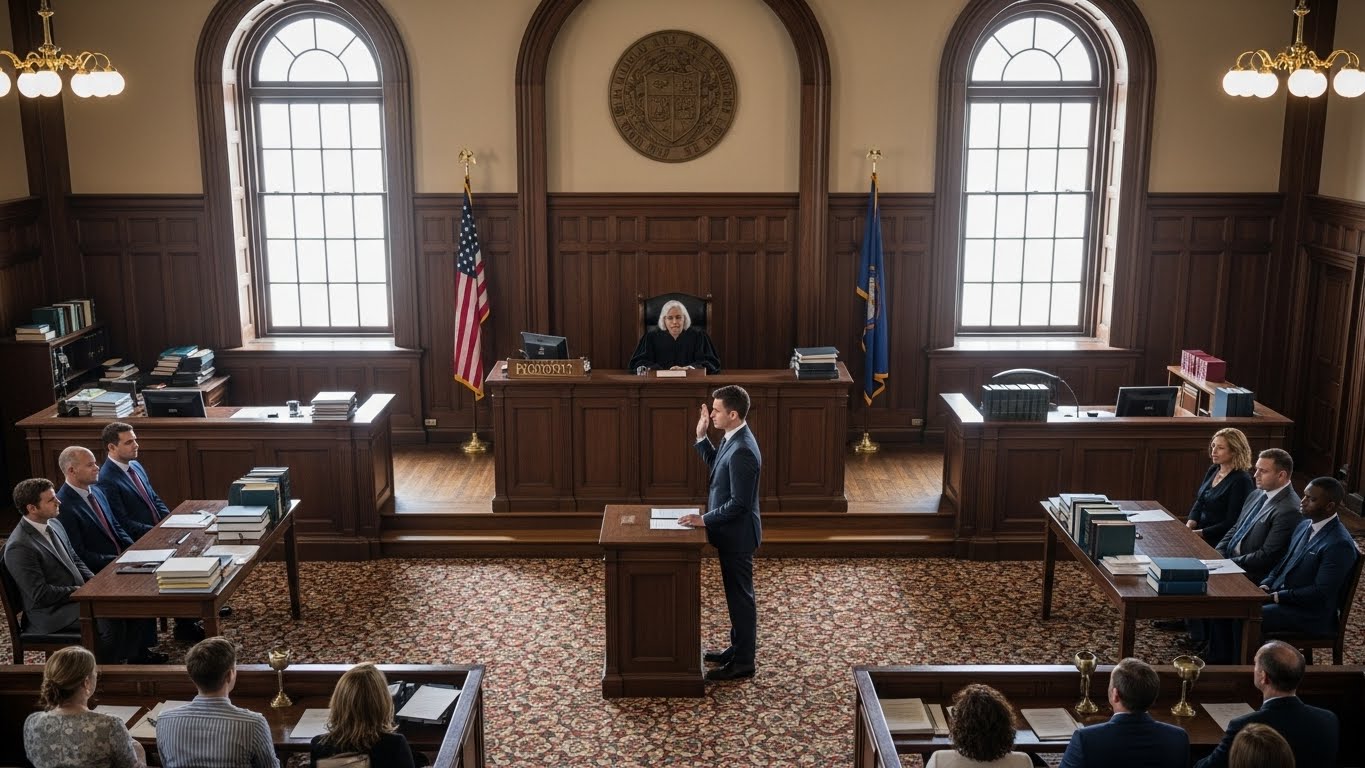
- Arbitration Hearing: Conducted either virtually or in-person, the hearing allows both sides to present their cases. A neutral arbitrator oversees the process and asks clarifying questions.
- Decision & Award: The arbitrator issues a decision based on the evidence and arguments presented. This award is typically binding subject to limited judicial review.
- Enforcement: If the losing party does not comply voluntarily, enforcement through court mechanisms may be pursued under applicable law, e.g. FAA enforcement provisions.
Where Things Break Down

Pre-Dispute
Failure Name: Incomplete Evidence Submission
Trigger: Missing key documents or improperly authenticated evidence.
Severity: High - May result in dismissal or credibility loss.
Consequence: Claim may be summarily dismissed, increasing procedural costs.
Mitigation: Conduct a thorough pre-filing evidence audit aligned with arbitration rules and maintain authentication chains.
Ready to File Your Dispute?
BMA prepares your arbitration case in 30-90 days. Affordable, structured case preparation.
Start Your Case - $399Verified Federal Record: CFPB complaint files from California consumer reports disputes on 2026-03-08 include inadequate documentation as a frequent issue delaying resolution.
During Dispute
Failure Name: Procedural Non-compliance
Trigger: Missing filing deadlines, improper evidence format, or ignoring arbitration session protocols.
Severity: Critical - Can lead to case rejection.
Consequence: Procedural sanctions or loss of the dispute opportunity.
Mitigation: Implement a procedural compliance review before and during dispute progression, referencing the applicable dispute resolution rules regularly.
Verified Federal Record: CFPB enforcement records indicate instances where consumer credit disputes were rejected due to non-adherence to procedural filing requirements.
Post-Dispute
Failure Name: Enforcement Challenges
Trigger: Non-compliance by losing party or incomplete award documentation.
Severity: Moderate - Enforcement delays increase costs and reduce claim effectiveness.
Consequence: Further legal proceedings, increased time to resolution.
Mitigation: Prepare enforcement paperwork carefully; consider retention of legal counsel for complex enforcement stages.
Verified Federal Record: Consumer disputes with unresolved credit reporting violations show delays attributed to enforcement paperwork deficiencies, per CFPB data.
- Delays in evidence collection create procedural risk and reduce negotiation leverage.
- Misinterpretation of arbitration rules often leads to disadvantageous settlements.
- Failure to monitor enforcement trend data limits strategic planning.
- Insufficient authentication of digital evidence is a recurring problem.
Decision Framework
| Scenario | Constraints | Tradeoffs | Risk If Wrong | Time Impact |
|---|---|---|---|---|
| Proceed with formal dispute filing |
|
|
Case dismissed for procedural defects or weak evidence | Moderate to long depending on case complexity |
| Negotiate settlement outside arbitration |
|
|
Missed opportunity for full relief | Shorter |
Cost and Time Reality
Settlement center disputes generally have lower upfront costs compared to formal litigation. Filing fees range from approximately $100 to $750 depending on the dispute amount and arbitration center fee schedules. Administrative fees and arbitrator fees can add to total costs that may reach several thousand dollars for complex disputes.
Typical resolution timelines span from three to twelve months. Cases with thorough preparation and simple evidence tend to reach resolution in under six months, whereas complicated consumer report disputes or facts-intensive claims may extend beyond one year.
Compared to federal or state court litigation, arbitration through a settlement center saves on prolonged discovery costs and reduces procedural complexity, but at the expense of less formal appeal rights.
Estimate your potential claim value and related costs using the calculator at estimate your claim value.
What Most People Get Wrong
- Assuming all evidence is admissible without authentication; proper document verification is necessary to meet procedural standards.
- Failing to review specific arbitration rules which govern timelines and evidence formats causes avoidable dismissals.
- Mistaking negotiation for arbitration and not preparing formal filings, which may limit enforceability of settlement terms.
- Underestimating the importance of enforcement pattern data, leading to unrealistic expectations of outcomes.
Refer to dispute research library for more details on common errors and resolutions.
Strategic Considerations
Deciding between formal arbitration filing and informal settlement negotiations depends on evidence strength, dispute severity, and cost tolerance. Formal filing is advisable when evidence can be submitted in compliance and enforcement data favors claim strength. Settlement may be considered if evidence is weak or dispute risks and costs outweigh benefits.
Limitations to keep in mind include the irreversibility of missed filing deadlines, binding nature of arbitration awards, and the need for procedural compliance to avoid dismissal.
For detailed guidance on dispute strategy and procedural navigation, visit BMA Law's approach.
Two Sides of the Story
Side A: Dana (Consumer)
Dana experienced an error in her credit report leading to higher interest rates on a loan. She filed a dispute through a settlement center, collecting supporting evidence such as statements and correspondence with the credit bureaus. Early preparation ensured her claim complied with arbitration rules, though the process took nearly eight months due to scheduling and evidence verifications.
Side B: Dispute Administrator
The administrator highlighted challenges in verifying the authenticity of Dana’s submissions and noted common procedural missteps in claims like hers. Staff encouraged thorough evidence reviews and adherence to procedural compliance to reduce processing times and increase settlement likelihood.
What Actually Happened
The case ultimately resolved with a corrected report entry after arbitration confirmation. The parties reached a binding award that Dana’s credit record be adjusted, improving her loan terms. The case underscores the importance of early preparation, procedural compliance, and realistic time expectations.
This is a first-hand account, anonymized for privacy. Actual outcomes depend on jurisdiction, evidence, and specific circumstances.
Diagnostic Checklist
| Stage | Trigger / Signal | What Goes Wrong | Severity | What To Do |
|---|---|---|---|---|
| Pre-Dispute | Lack of contract or transaction records | Incomplete claim foundation | High | Gather all transaction records and authenticate |
| Pre-Dispute | Unfamiliarity with arbitration rules | Misfiled dispute forms or deadlines missed | Critical | Review applicable dispute rules and calendar deadlines |
| During Dispute | Incomplete or unverified evidence submissions | Evidence rejected by arbitrator or late rulings | High | Perform pre-hearing evidence audit and verification |
| During Dispute | Failure to meet hearing protocol or deadlines | Procedural sanctions or loss of chance to present evidence | Critical | Maintain detailed timeline of filings and communications |
| Post Dispute | Award not voluntarily complied with | Requirement for court enforcement proceedings | Moderate | Prepare enforcement documentation or consult counsel |
| Post Dispute | Failure to monitor enforcement trends | Suboptimal dispute strategies and reduced leverage | Low to Moderate | Regularly review public enforcement data relevant to dispute category |
Need Help With Your Consumer Disputes Dispute?
BMA Law provides dispute preparation and documentation services starting at $399.
Not legal advice. BMA Law is a dispute documentation platform, not a law firm.
FAQ
What evidence is required for a settlement center consumer dispute?
Evidence must comply with the arbitration rules applicable to the settlement center, typically including authenticated contracts, receipts, correspondence, and any consumer credit or billing statements relevant to the claim. The Federal Arbitration Act and AAA Consumer Arbitration Rules specify strict parameters for evidence format and submission timelines.
What happens if I miss the filing deadline for my dispute?
Missing filing deadlines almost always results in dismissal of the dispute for procedural non-compliance. Arbitration rules generally do not allow extensions without good cause. It is essential to confirm all deadlines immediately upon receiving the dispute notice as per 9 U.S.C. §12 and applicable center policies.
Can I negotiate a settlement during arbitration?
Yes, parties may negotiate at any time, including during pre-hearing conferences or mediation sessions governed by settlement centers. Informal settlements can avoid lengthy arbitration hearings and are encouraged where appropriate under procedural rules.
How long does a typical settlement center arbitration take?
Timing varies with complexity. Simple consumer credit disputes often resolve within three to six months, while more complex claims or those requiring multiple evidence rounds may extend beyond twelve months. Procedural compliance and readiness significantly influence duration.
Are arbitration decisions legally binding?
Generally, arbitration awards from settlement centers are binding and enforceable in court under the FAA, 9 U.S.C. §§9-13. Limited grounds exist for vacating or modifying awards, making procedural compliance crucial to preserve rights.
References
- Federal Arbitration Act - U.S. Code Title 9: law.cornell.edu
- American Arbitration Association Consumer Arbitration Rules and Mediation Procedures: adr.org
- Consumer Financial Protection Bureau (CFPB) Complaint Database: consumerfinance.gov
- Federal Rules of Civil Procedure - Evidence and Filing Standards: law.cornell.edu
- ModernIndex Federal Enforcement Records: modernindex.gov
Last reviewed: June 2024. Not legal advice - consult an attorney for your specific situation.
Important Disclosure: BMA Law is a dispute documentation and arbitration preparation platform. We are not a law firm and do not provide legal advice or representation.
Get Local Help
BMA Law handles consumer arbitration across all 50 states:
Important Disclosure: BMA Law is a dispute documentation and arbitration preparation platform. We are not a law firm and do not provide legal advice or representation.