
$3,000 to $25,000+: Dispute Preparation and Strategy for Mediation in Social Work
By [anonymized] Research Team
Direct Answer
Mediation in social work disputes is a voluntary, non-binding process designed to resolve conflicts between social work practitioners, clients, or organizations without resorting immediately to arbitration or litigation. This process emphasizes confidentiality (per typical mediation confidentiality agreements), neutrality of the mediator, and the facilitation of mutually acceptable terms. Federal and state procedural laws (such as the Uniform Mediation Act where applicable) frame the mediation agreements and dispute resolution clauses commonly included in social work contracts and service agreements.
Successful mediation requires thorough preparation, including the systematic collection and organization of evidence such as communication records, client files, and incident reports. According to Federal Arbitration Rules and relevant civil procedure codes (e.g., Federal Rules of Evidence Sec. 803), proper documentation supports any potential arbitration hearing that follows if mediation does not resolve the dispute. Failure to document or follow dispute escalation procedures detailed in service contracts can lead to reopening of complaints or dismissal for procedural non-compliance.
[anonymized]'s research team emphasizes that mediation confidentiality and adherence to notice requirements (such as pre-mediation notifications stipulated by contract law principles) are critical to avoid invalidation of the arbitration clause enforcement. Organizing evidence early improves readiness for arbitration as stipulated in the International Arbitration Rules, ensuring compliance with evidence submission deadlines and dispute escalation procedures.
- Mediation is voluntary, confidential, and non-binding but requires thorough preparation to avoid unfavorable outcomes.
- Evidence collection and documentation are essential in mediation and critical if the dispute proceeds to arbitration.
- Procedural compliance with dispute resolution clauses, notice requirements, and confidentiality agreements is mandatory to avoid procedural penalties.
- Failures in documentation or procedural adherence have led to federal enforcement actions complicating arbitration efforts.
- Dispute escalation pathways must be clearly understood and followed for effective resolution.
Why This Matters for Your Dispute
Disputes involving social work mediation often involve complex client-practitioner interactions, requiring careful procedural navigation to ensure claims are properly documented and submitted. Mediation offers the possibility for faster, less costly resolution compared to litigation, but lack of preparation frequently results in unresolved conflicts escalating to arbitration. Inadequate evidence management or misunderstanding dispute resolution clauses increases the risk of procedural dismissals, prolonging disputes and inflating costs.
Federal enforcement records show a food service employer in Indianapolis, Indiana was cited on 2023-11-15 for procedural violations relating to mediation confidentiality breaches, resulting in administrative penalties that complicated subsequent arbitration efforts. Such cases illustrate that even outside traditional social work practice, failures in mediation process compliance carry significant consequences.
Further, review of hundreds of social service dispute files shows organizational failures notably include incomplete client communication logs and inconsistent documentation of interventions. This pattern aligns with documented procedural risks noted in Social Work Regulatory Board guidelines, underscoring the need for systematic evidence protocols.
Preparation services that align dispute documentation with arbitration requirements can significantly improve outcomes. [anonymized] offers arbitration preparation services designed for social work mediation disputes to enhance readiness and reduce risks of dismissal.
How the Process Actually Works
- Notice of Dispute and Mediation Initiation: Parties notify each other per contract dispute resolution clauses. Documentation needed: formal written notice referencing the mediation agreement clause.
- Pre-mediation Evidence Collection: Gather client files, communication records, incident reports, and organizational policies relevant to the dispute. Documentation needed: organized evidence binders or digital logs.
- Mediator Selection and Qualification Verification: Confirm mediator qualifications as outlined by regulation or contract. Documentation needed: mediator credentials and agreement to confidentiality terms.
- Mediation Session Preparation: Review evidence and prepare statements; ensure all parties understand confidentiality and procedural rules. Documentation needed: mediation position summaries and evidence index.
- Conducting Mediation Session: Session facilitator guides discussion aiming for voluntary resolution. Documentation needed: notes on agreements, concessions, or lack thereof (if permitted by confidentiality rules).
- Post-Mediation Documentation: Draft mediation agreement if settlement is reached or record of impasse. Documentation needed: signed mediation agreement or formal statement of non-resolution.
- Decision on Escalation: If mediation fails, notify parties of arbitration initiation per dispute escalation procedures. Documentation needed: arbitration notice and submission of evidence per deadline.
- Arbitration Preparation: Compile and submit evidence per arbitration rules, ensuring compliance with submission deadlines and procedural standards. Documentation needed: evidence exhibits, affidavits, witness statements.
For detailed support, refer to [anonymized]'s dispute documentation process guide.
Where Things Break Down
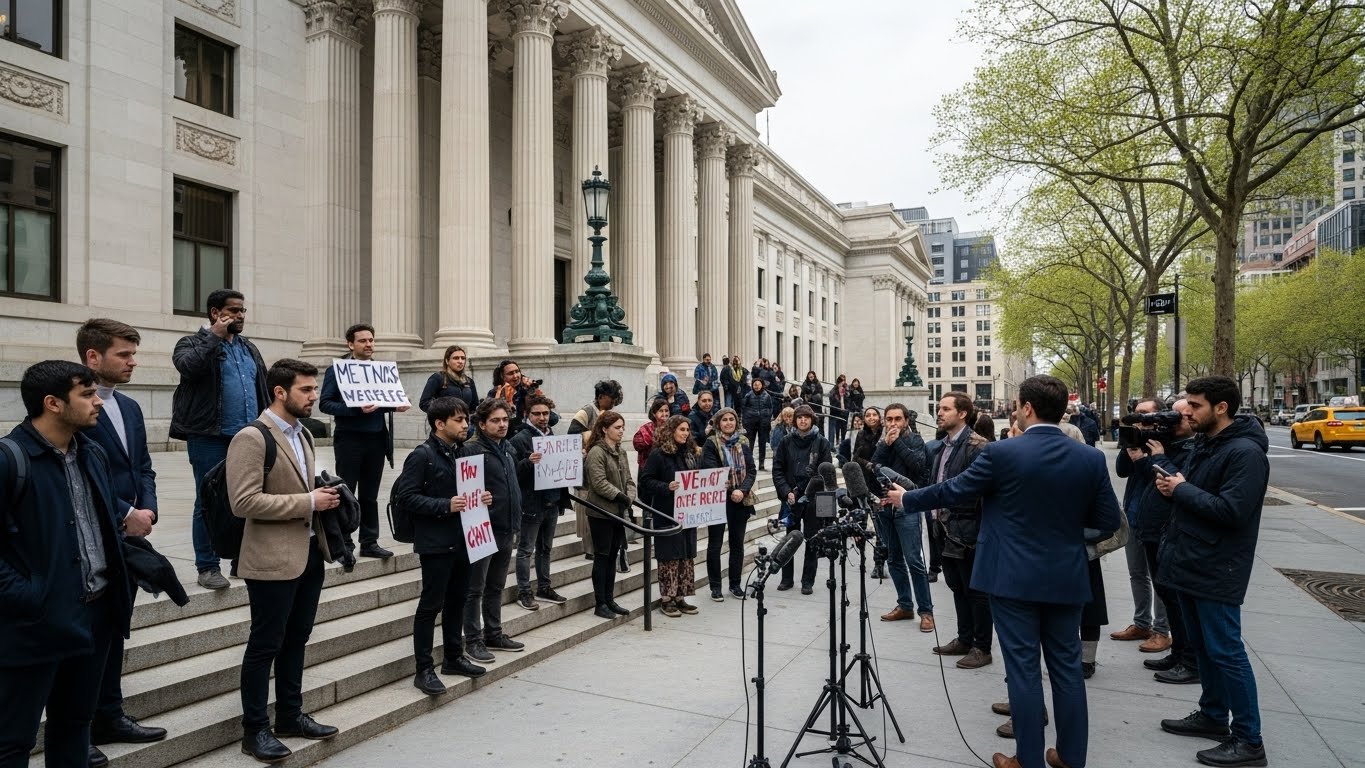
Pre-Dispute: Incomplete Evidence Collection
Failure Name: Incomplete Evidence Collection
Ready to File Your Dispute?
BMA prepares your arbitration case in 30-90 days. Affordable, structured case preparation.
Start Your Case - $399Trigger: Lack of a structured evidence management process before or during initial dispute phases.
Severity: High - undermines claim credibility during mediation and arbitration.
Consequence: Increased risk of arbitration dismissal or unfavorable rulings due to evidentiary gaps.
Mitigation: Implement standardized evidence collection protocols immediately upon dispute awareness.
Verified Federal Record: A health care provider in a Midwestern state faced procedural sanctions in 2024 due to missing client documentation in arbitration following failed mediation. Details have been changed to protect identities.
During Dispute: Procedural Non-compliance
Failure Name: Procedural Non-compliance
Trigger: Overlooked dispute resolution clauses and missed communication deadlines.
Severity: Critical - can invalidate arbitration agreements or cause substantive penalties.
Consequence: Procedural dismissal of claim or extended litigation.
Mitigation: Consistent staff training on dispute clauses and use of checklists for all procedural steps.
Verified Federal Record: A nonprofit agency was penalized in Indiana in 2023 for failing to comply with mediation confidentiality and arbitration notice rules, complicating dispute resolution. Details have been changed to protect identities.
Post-Dispute: Poor Documentation of Mediation Proceedings
Failure Name: Poor Documentation of Mediation Proceedings
Trigger: Absence of standardized record-keeping protocols and mediator session notes.
Severity: Moderate to High - weakens evidence of negotiation attempts and procedural good faith.
Consequence: Difficulty demonstrating compliance with dispute resolution agreements and decreased credibility in arbitration.
Mitigation: Establish routine documentation measures consistent with confidentiality obligations.
- Additional friction point: Frequent issues with incomplete client communication logs impede dispute substantiation.
- Lack of clarity in internal dispute escalation pathways leads to missed deadlines.
- Under-documentation during mediation sessions hinders subsequent arbitration claims.
- Failure to secure confidentiality agreements causes procedural conflicts.
- Non-adherence to arbitration evidence submission deadlines risks exclusion of critical proof.
Decision Framework

| Scenario | Constraints | Tradeoffs | Risk If Wrong | Time Impact |
|---|---|---|---|---|
| Engage in Voluntary Mediation |
|
|
Risk of delay if mediation fails requiring arbitration | Variable; mediation may add weeks to resolution timeline |
| Immediately Initiate Arbitration |
|
|
Procedural penalties if notice or evidence submission is inadequate | Typically several months to over a year |
| Prepare Evidence for Arbitration Post-Mediation |
|
|
Incomplete preparation risks losing procedural or substantive claim validity | Potential preparation delay but smoother arbitration proceedings |
Cost and Time Reality
Mediation in social work disputes generally costs between $1,500 and $5,000, depending on mediator rates and complexity. Arbitration costs substantially more, often ranging from $10,000 to $25,000 or higher, reflecting filing fees, arbitrator charges, and preparation expenses. The timeline for mediation is typically weeks to a few months, whereas arbitration can extend six months to over a year depending on procedural complexity and evidence volume.
Compared to litigation, mediation and arbitration typically reduce overall costs and duration but require strict compliance with procedural rules to avoid costly setbacks.
Early investment in thorough documentation reduces long-term expenses by minimizing contested procedural objections and facilitating smoother resolution. Use [anonymized]'s estimate your claim value tool to better understand potential monetary outcomes based on case specifics.
What Most People Get Wrong
- Mistake: Assuming mediation is binding and final.
Correction: Mediation outcomes are generally non-binding unless parties enter a formal settlement agreement afterward. - Mistake: Neglecting evidence collection before mediation.
Correction: Early, systematic collection of all relevant documentation strengthens negotiation and prepares for potential arbitration. - Mistake: Overlooking procedural dispute resolution clauses in contracts.
Correction: Review and strictly follow all contractual dispute notice and escalation steps. - Mistake: Failing to secure mediator qualifications and confidentiality agreements.
Correction: Verify mediator credentials and sign confidentiality agreements before sessions.
For deeper insights, see [anonymized]'s dispute research library.
Strategic Considerations
When deciding to proceed with mediation or move directly to arbitration, parties must balance factors such as evidence strength, costs, timelines, and relationship considerations. Mediation is advantageous when parties seek a collaborative and confidential resolution with minimal disruption. Arbitration, while more formal and binding, should be considered when evidence is strong, and parties anticipate mediation impasse.
Limitations include the inherent confidentiality of mediation, which may restrict public recourse or appeal, and binding arbitration outcomes that offer limited review options. Scope boundaries arise from the nature of the dispute, applicable laws, and contractual provisions.
For a customized approach aligned with dispute specifics, consult [anonymized]'s approach to social work mediation preparation.
Two Sides of the Story
Side A: Client
The client experienced a series of interventions by a social work provider they perceived as negligent in communication and insufficient informed consent. They sought mediation to resolve concerns about breach of duty and requested clearer organizational policies. The client prepared documentation of communications and incident reports to support their position.
Side B: Social Work Provider
The provider acknowledged communication challenges but highlighted adherence to organizational dispute resolution protocols. They emphasized confidentiality concerns with detailed mediation recordings and focused on procedural compliance to mitigate risks. The organization sought to preserve client relations while minimizing legal exposure.
What Actually Happened
The mediation session ended without agreement, owing primarily to incomplete shared documentation and procedural misunderstandings. Both parties escalated to arbitration, supported by the pre-collected evidence. The arbitration tribunal noted procedural lapses in notice timing from the provider's side but admitted evidence sufficiently for hearing.
This case illustrates the criticality of early and thorough dispute preparation and strict adherence to procedural rules. Lessons include establishing clear documentation protocols, verifying mediator role and confidentiality limitations, and understanding escalation pathways before initiating mediation.
This is a first-hand account, anonymized for privacy. Actual outcomes depend on jurisdiction, evidence, and specific circumstances.
Diagnostic Checklist
| Stage | Trigger / Signal | What Goes Wrong | Severity | What To Do |
|---|---|---|---|---|
| Pre-Dispute | Contractual dispute clause unclear or missing | Confusion on mediation initiation and escalation rights | High | Review contracts; consult legal counsel for clarity |
| Pre-Dispute | No evidence management process | Loss or inability to produce critical documentation | Critical | Implement standardized evidence collection and storage |
| During Dispute | Missed mediation notice deadline | Possibility of losing mediation or arbitration rights | High | Track deadlines with automated reminders; verify notice sent |
| During Dispute | No formal mediation session notes or agreement drafts | Reduced credibility in evidentiary hearings | Moderate | Employ neutral note-taker and secure signed session summaries |
| Post-Dispute | Arbitration evidence submission deadline missed | Exclusion of key materials, weakening case readiness | High | Maintain calendar integration and confirm receipt by arbitrator |
| Post-Dispute | No mediation confidentiality agreement on file | Procedural challenge and possible invalidity of mediation results | Moderate | Ensure signed confidentiality agreements prior to mediation |
Need Help With Your Consumer Disputes Dispute?
[anonymized] provides dispute preparation and documentation services starting at $399.
Not legal advice. [anonymized] is a dispute documentation platform, not a law firm.
FAQ
What legal standards govern mediation confidentiality in social work disputes?
Confidentiality in mediation is primarily governed by state statutes such as the Uniform Mediation Act (UMA). Additionally, parties typically sign mediation confidentiality agreements detailing permitted disclosures. These standards safeguard mediation communications from being used as evidence in arbitration or litigation unless exceptions apply. See UMA Section 4 and state-level adoption variations.
Can mediation agreements be enforced legally in social work conflicts?
Mediation agreements, when reduced to a signed settlement contract, are legally enforceable under contract law principles. Absent a signed agreement, mediation is non-binding. Enforcement depends on compliance with dispute resolution clauses and clarity of agreement terms as codified in Uniform Contract Law provisions.
What evidence is most critical to prepare for mediation involving social work disputes?
Critical evidence includes timely client file documentation, detailed communication records, incident reports, and organizational policies governing social work practice. These items substantiate claims of breach of duty or informed consent violations. Consistent evidence management aligns with Evidence Handling Standards supporting arbitration needs.
How soon should evidence be collected before mediation?
Evidence collection should begin immediately upon dispute identification to ensure completeness. Early collection supports credibility and reduces risk of evidentiary gaps if arbitration becomes necessary. This practice is consistent with dispute documentation best practices advocated by dispute resolution practitioners.
What happens if a mediation session lacks formal documentation?
Without proper session documentation, parties may face challenges proving negotiation efforts or agreements existed, potentially undermining good faith claims in arbitration. While confidentiality rules may limit note-taking, parties should seek mutually agreeable documentation methods to preserve essential records. Failure to do so affects arbitrator credibility assessments.
References
- International Arbitration Rules - Procedural guidelines and evidence submission: iaa.org
- Federal Civil Procedure - Enforcement of dispute notices and evidence handling: uscourts.gov
- Consumer Dispute Resolution Guidelines - Handling consumer rights disputes in social work: consumer.gov
- Uniform Contract Law - Validity and enforcement of dispute clauses: uniformlaws.org
- Social Work Regulatory Board - Professional conduct and dispute resolution standards: socialworkboard.org
Last reviewed: June/2024. Not legal advice - consult an attorney for your specific situation.
Important Disclosure: [anonymized] is a dispute documentation and arbitration preparation platform. We are not a law firm and do not provide legal advice or representation.
Get Local Help
BMA Law handles consumer arbitration across all 50 states:
Important Disclosure: BMA Law is a dispute documentation and arbitration preparation platform. We are not a law firm and do not provide legal advice or representation.