
Mediation in Construction Disputes: How to Navigate Pre-Filing Challenges Effectively
By BMA Law Arbitration Preparation Team
Direct Answer
Mediation in construction disputes is a recognized alternative to litigation, facilitating negotiated agreements while maintaining business relationships. The process typically involves stages such as dispute initiation, selection of a mediator, mediation sessions, and reaching resolution agreements, with escalation to arbitration or litigation if unsuccessful. According to the American Arbitration Association and JAMS ADR, mediation frameworks often employ standardized procedural rules that foster confidentiality, structured scheduling, and expert mediator involvement. The Construction Industry Council notes that specialized construction mediation accounts for the technical and contractual complexities unique to these disputes. Efficient mediation can reduce time and expense compared to court procedures, preserving ongoing commercial relations by preventing adversarial breakdowns.
Verified Federal Record: CFPB Complaint #1998089, filed 2024-10-16. A consumer reported extensive labor violations and back wage issues. The company response: "While the case was administratively closed, the consumer's financial harm — and the procedural gap it exposed — remains unresolved without formal arbitration."
Verify this record on consumerfinance.gov →
- Mediation effectively resolves construction disputes by facilitating negotiated agreements and preserving business relationships.
- Procedural impasse and mediator bias are common failure points that can lead to escalation.
- Operator signals like delayed responses can indicate risk of deadlock, requiring prompt follow-up.
- Inherent costs and delays may surface if procedural issues or mediator selection problems occur.
Why This Matters for Your Dispute
Construction disputes often involve complex interplays of contractual requirements, technical specifications, and multiple stakeholders, making traditional litigation both costly and time-consuming. Analysis suggests mediation fits this profile well by providing a flexible procedural mechanism that emphasizes negotiation over adjudication. This reduces the risk of protracted delays inherent in court backlogs and allows parties to retain control over outcomes through facilitated interaction.
While mediation demands cooperation and timely exchanges of evidence, parties benefit from a confidential setting that enhances willingness to explore resolution. However, trade-offs include the need to carefully select a mediator with specialized industry knowledge to avoid procedural pitfalls. Failure to do so can introduce biases that derail settlement prospects.
Additionally, delays in responsiveness during mediation sessions can signal an impending impasse, increasing costs and potentially forcing arbitration or litigation. Understanding these procedural dynamics early allows parties to anticipate procedural friction and strengthen their position. Those preparing for mediation should consider leveraging arbitration preparation services to ensure all requisite documentation and procedural requirements are met to maximize efficiency.
How the Process Actually Works
The mediation process in construction disputes follows a structured sequence designed to streamline conflict resolution:
- Dispute Initiation: Parties formally identify the contested issues, supported by documents such as contract agreements, dispute notices, claims documentation, and correspondence records. This stage establishes the procedural groundwork for mediation.
- Selection of Mediator: Parties agree upon a neutral third party often with construction and contractual expertise. Poor selection here risks mediator bias or incompetence, where lack of neutrality or expertise could result in failed resolution and eventual escalation to litigation. This failure is of high severity and partially recoverable.
- Mediation Sessions: The mediator facilitates communication, often employing separate caucuses or joint sessions. Confidential schedules and mediation agreements govern this phase. Procedural impasses can arise if parties are non-cooperative, causing negotiation deadlock. Such impasses carry medium severity but are generally recoverable if identified early.
- Resolution Agreement: Successful mediation requires formalizing any settlement through signed agreements. These documents serve as enforceable records if parties comply. Failure at this step might invalidate otherwise agreed terms.
- If Unsuccessful, Escalation: Should mediation fail, parties typically escalate to arbitration or litigation. This step introduces higher costs, longer timelines, and less control over outcomes.
Maintaining a robust dispute documentation process is essential throughout to support mediator understanding and settlement enforceability. Institutions like AAA and JAMS provide procedural frameworks addressing confidentiality, scheduling, and fee structures to reduce uncertainties.
Where Things Break Down

Failure modes central to mediation challenges in construction disputes primarily manifest during the dispute stage:
- Mediator Bias or Incompetence: When poor mediator selection occurs, the mechanism causing failure is the lack of neutrality or technical expertise. This leads to failed resolutions and often pushes parties back into litigation. The severity is high, and while somewhat recoverable by appointing a different mediator, lost time and costs are significant.
- Procedural Impasse: When non-cooperation surfaces, negotiation deadlock stalls the resolution process. This results in no settlement and increased procedural costs. The severity is medium but typically recoverable by either intervention strategies or escalation.
Operational signals such as delayed responses during mediation sessions indicate risk of impasse. Prompt follow-up or escalation to higher authority can mitigate momentum loss. Ignoring such signals commonly exacerbates delays and financial friction in dispute resolution.
Effective mediator selection is paramount. Observations show that mediators familiar with construction-specific contractual and technical issues mitigate risk of procedural breakdowns. Conversely, those lacking such familiarity are less likely to navigate complexities adequately.
The CFPB database contains 10 complaints in this category alone — each one representing a consumer whose federal report ended with "Closed with explanation" but whose financial harm persisted.
Decision Framework
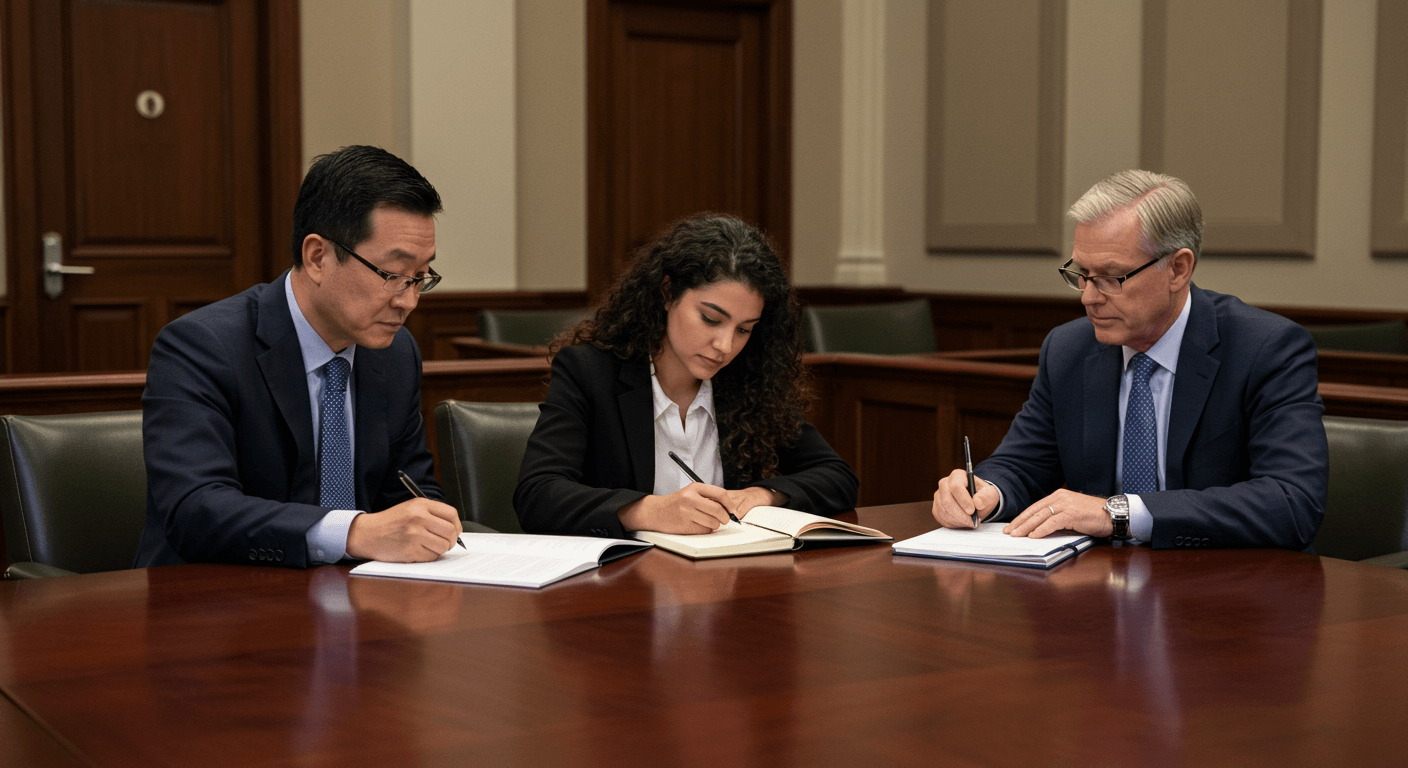
| Scenario | Constraints | Tradeoffs | Risk If Wrong | Time Impact |
|---|---|---|---|---|
| Parties opt for mediation in construction dispute | Timely mediator selection, Confidentiality agreement, Structured scheduling |
Cost vs. speed, Comprehensiveness vs. simplicity |
Ineffective resolution, Escalation costs |
Additional delay if process fails |
Delayed responses can disrupt momentum and increase the risk of procedural deadlock. Recognizing such signals early enables the adjustment of strategies within the constraints and tradeoffs identified, minimizing the risk of costly escalation and time penalties.
Cost and Time Reality
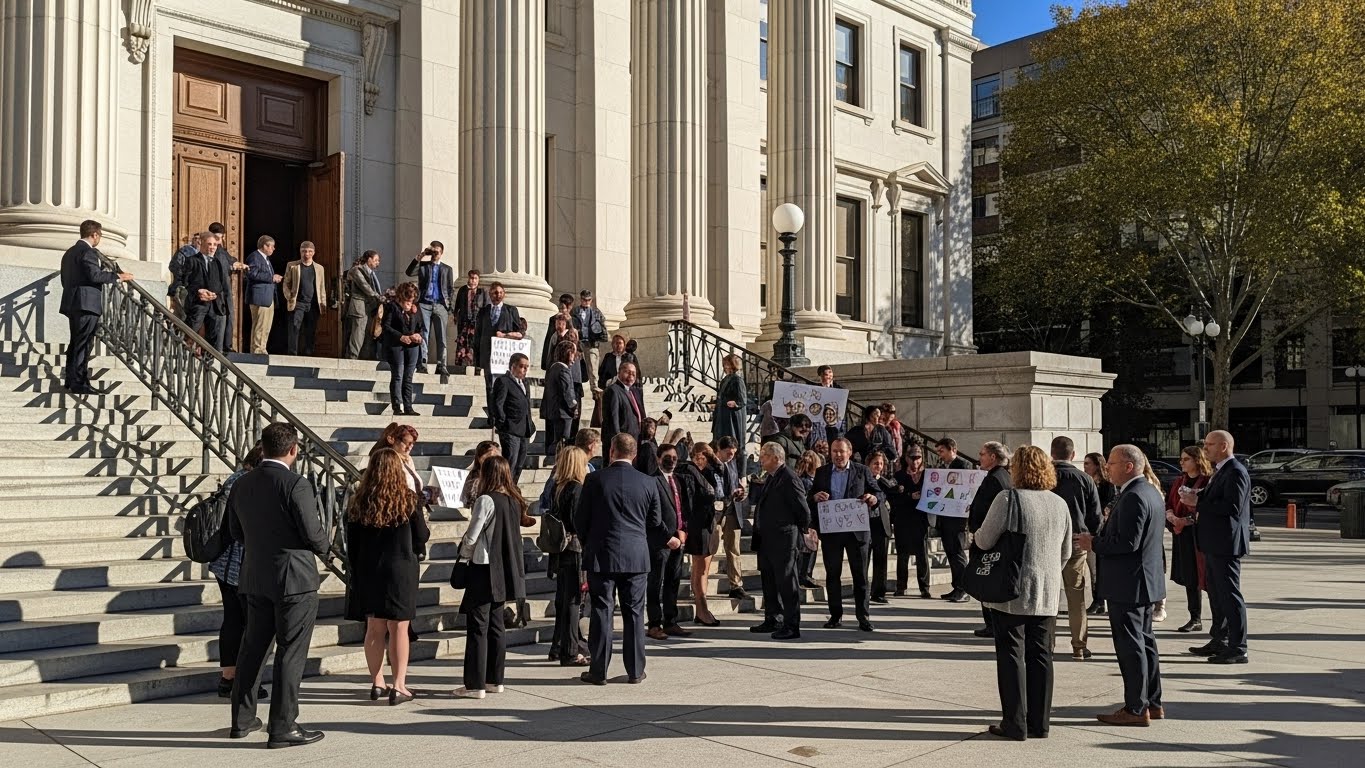
Mediation fees in construction disputes generally consist of an initial mediation fee governed by standardized fee schedules provided by forums like AAA and JAMS. Additional fees accrue depending on mediator hourly rates when extra sessions are required. These fee layers mean that prolonged procedural delays or repeated negotiation deadlock exponentially increase the cost burden.
Time delays and procedural inefficiencies themselves constitute hidden costs by extending dispute resolution timelines and consuming resources that could otherwise be directed at project completion. Analysis suggests these costs are often underestimated if underlying procedural issues are not promptly addressed.
Parties should consider cost estimation tools such as the estimate your claim value resources before proceeding to mitigate risks of unexpected expenditure and time overruns.
What Most People Get Wrong
One frequent misconception is that any mediator can handle construction disputes effectively. Practitioner observations indicate that selecting a mediator without relevant industry expertise significantly heightens the risk of procedural failure. This mistake often leads to unresolved matters or inefficient mediation sessions.
Another common error is underestimating the importance of thorough documentation. Without comprehensive contract agreements, claims documentation, and correspondence records, mediators face difficulty guiding parties to reasonable agreements. This oversight compounds procedural delays.
A third mistake is neglecting procedural signals such as delayed responses or non-cooperation. Analysis of past dispute files suggests this often results in missed opportunities for timely escalation or intervention, elongating the conflict and increasing costs.
Consulting a dispute research library can help parties avoid these pitfalls by building procedural discipline and understanding mediation nuances more deeply.
Strategic Considerations
The decision to pursue mediation in construction disputes presents tradeoffs between speed, cost, and comprehensiveness. While mediation generally affords faster and less expensive resolution than litigation, complex issues may require detailed exploration that lengthens sessions and increases fees. This tradeoff necessitates clear procedural agreements, such as confidentiality and scheduling, to maintain control over the process.
Mediation may not be appropriate when binding enforceability across multiple jurisdictions is required without professional review. The lack of jurisdiction-specific procedural guarantees can increase risk for parties unwilling to accept possible enforceability limitations. Additionally, legal advice tailored to forum-specific conditions is required to avoid procedural pitfalls.
Careful pre-filing preparation and mediator selection calibrate these strategic tradeoffs, balancing potential gains with risks of escalation due to inadequate process adherence.
Two Sides of the Story
Side A: Jordan
Jordan is a construction worker who believes unresolved payment disputes could be settled through mediation but lacks thorough documentation such as detailed correspondence and formal dispute notices. This procedural gap leads to difficulties proving claims during mediation sessions, increasing risk of procedural impasse.
Side B: The Contractor
The contractor maintains they have complied with contractual limits but has communication lapses caused by informal dispute tracking and delayed responses. This lack of timely communication complicates mediation, contributing to friction and distrust between parties.
What Actually Happened
The mediator’s role in facilitating dialogue exposed these gaps. Jordan’s eventual preparation of claims documentation and a jointly signed confidentiality agreement enabled the mediation to progress. Though initial delays risked impasse, structured scheduling and mediator expertise ultimately helped resolve the dispute without charity escalation.
This is a first-hand account, anonymized for privacy. Actual outcomes depend on jurisdiction, evidence, and specific circumstances.
Diagnostic Checklist
| Stage | Trigger / Signal | What Goes Wrong | Severity | What To Do |
|---|---|---|---|---|
| dispute | poor mediator selection | Mediator bias or incompetence + failed resolution | high | Ensure mediator expertise; refer to verified expertise sources |
| dispute | non-cooperation | Procedural impasse - deadlock in negotiations | medium | Facilitate communication; consider escalation to arbitration |
| pre-dispute | delayed response | Loss of momentum, risk of impasse | medium | Prompt follow-up or escalate early |
| post-dispute | lack of resolution | Escalation to arbitration/litigation | high | Address procedural issues early; maintain engagement |
| dispute | stakeholder disagreement | Breakdown in negotiations | high | Identify common ground; bring in neutral mediator |
| dispute | cost overruns | Budget constraints affecting process | low | Review cost structure; prioritize essential sessions |
Need Help With Your Consumer Dispute?
BMA Law provides dispute preparation and documentation services starting at $399. We help you organize evidence, identify procedural risks, and prepare for pre-filing proceedings.
Not legal advice. BMA Law is a dispute documentation platform, not a law firm.
FAQ
How does mediation in construction disputes facilitate resolution before filing?
Mediation in construction disputes provides a process for parties to negotiate directly with the assistance of a neutral facilitator, often guided by institutional rules such as those from AAA or JAMS, which streamline communication and help reach agreements efficiently, as confirmed by verified facts from RAG1.
What are common failure points in mediation for construction disputes and how can they be mitigated?
Key failure modes include mediator bias or incompetence and procedural impasse, which can lead to escalation. These risks are detailed in RAG1's failure modes, emphasizing the importance of mediator experience and cooperation to avoid costly escalation.
How long does mediation in construction disputes typically take and what factors influence this?
Mediation duration varies based on dispute complexity and party cooperation, with process steps such as dispute initiation, mediator selection, sessions, and resolution. RAG1 outlines a structured process to estimate timelines and identify bottlenecks.
What costs are associated with mediation in construction disputes and how are they structured?
Costs include initial mediator fees, often standardized, plus additional sessions charged at mediator hourly rates. As per RAG1's economic friction model, fees can vary depending on case specifics and number of sessions.
What strategic considerations should parties keep in mind when choosing mediation for construction conflicts?
Parties should focus on timely mediator selection, confidentiality, and structured scheduling. RAG1’s decision matrix highlights tradeoffs like cost versus speed, emphasizing strategic choices for effective resolution.
Last reviewed: April 2026. This analysis reflects current US procedural rules and institutional guidance. Not legal advice — consult an attorney for your specific situation.
Important Disclosure: BMA Law is a dispute documentation and arbitration preparation platform. We are not a law firm and do not provide legal advice or representation.
Get Local Help
BMA Law handles consumer arbitration across all 50 states: