
$1,500 to $15,000: Dispute Preparation and Arbitration Considerations for Maryland Mediations
By BMA Law Research Team
Direct Answer
In Maryland, mediation and arbitration are governed primarily by the Maryland Arbitration Act (Md. Code Ann., Cts. & Jud. Proc. § 3-201 et seq.) and related court procedural rules. Mediation agreements under Maryland law are typically voluntary but can form part of binding dispute resolution clauses enforceable under state statutes. Proper notice and informed consent before mediation or arbitration sessions are required to satisfy procedural due process and preserve enforceability of agreements.
Arbitration procedures demand strict adherence to deadlines for filings, disclosures, and document preservation pursuant to Maryland Rules of Civil Procedure, especially Rules 3-501 to 3-510 concerning arbitration. Mediation agreements may be incorporated into arbitration clauses, creating a multi-step resolution process that encourages early dispute settlement yet preserves the right for binding arbitration if mediation fails.
Essential statutes include the Maryland Arbitration Act §§ 3-207 for enforceability and Md. Rules on civil procedure covering evidence management and timeliness. Federal enforcement data, such as consumer complaints related to credit reporting operations in Maryland, underscore the importance of thorough documentation and dispute framing aligned with both state procedural mandates and federal oversight.
- Maryland law supports enforceable mediation agreements with required proper notice and consent.
- Documented evidence such as contracts, communications, and transaction records are critical for arbitration success.
- Failing to comply with procedural deadlines risks claim dismissal.
- Federal enforcement data shows credit reporting disputes are prevalent in Maryland consumer cases.
- Strategic dispute preparation reduces risks of procedural pitfalls and maximizes resolution prospects.
Why This Matters for Your Dispute
Disputes resolved through mediation and arbitration in Maryland often appear straightforward but present underlying procedural complexity that can critically impact outcomes. Parties must navigate state statutes and procedural rules demanding timely filings, carefully documented evidence, and clear mandates for notice and consent. Failure to comply risks dismissals or weakened positions.
Maryland’s statutory framework encourages mediation as a voluntary dispute resolution step but also allows inclusion of mediation clauses within arbitration agreements. This multi-tiered approach requires consumers, claimants, and small businesses to be well-prepared for both processes to prevent unintended forfeitures or delays.
Federal enforcement records highlight areas of recurring disputes. For instance, consumer complaints filed on March 8, 2026, involving credit reporting inaccuracies demonstrate the frequency of industry-specific issues relevant to Maryland claimants. These arise especially in credit reporting, consumer financial services, and employment sectors, where precise evidence and procedural compliance are instrumental to dispute resolution.
BMA Law’s research team emphasizes early preparation and procedural vigilance as key to managing risk exposure. For detailed professional assistance, see our arbitration preparation services.
How the Process Actually Works
- Case Assessment and Mediation Clause Review: Evaluate the dispute origin, review existing contracts for mediation/arbitration clauses, and verify enforceability under Maryland law. Document the scope of disputes and identify any required mandatory mediation steps.
- Notice and Consent Documentation: Provide formal written notices to all parties, ensuring awareness of mediation/arbitration dates, rights, and implications. Secure informed consent to participate in mediation per Md. Code Civ. Proc. and court rules.
- Evidence Collection and Organization: Gather all relevant documents including contracts, communications, receipts, and transaction records. Establish an organized digital repository or manual compilation aligned with disclosure obligations and document preservation requirements.
- Mediation Session Facilitation: Engage a qualified mediator recognized under Maryland standards to conduct sessions focusing on negotiation and voluntary settlement. Document session outcomes including any agreements reached.
- Arbitration Filing and Preparation: If mediation fails, file formal arbitration demands within Maryland’s statutory deadlines. Prepare comprehensive arbitration submissions including evidence exhibits, witness lists, and legal arguments compliant with Maryland Rules.
- Arbitration Hearing and Decision: Present the dispute and evidence before the arbitration panel. Ensure procedural adherence, timely objections, and thorough presentation of claims and defenses. Await binding panel decisions enforceable under Md. Code § 3-207.
- Post-Hearing Compliance and Enforcement: Secure enforcement of arbitration awards through Maryland courts if necessary. Maintain records of compliance or pursue further legal remedies in case of award challenges.
For detailed instructions on organizing evidence and procedural checklists see our dispute documentation process.
Where Things Break Down
Pre-Dispute Failures
Procedural Non-Compliance: Triggered by lack of awareness of Maryland’s arbitration and mediation procedural rules. Severity is high due to risk of dismissal for missed filing or notice deadlines. Consequence includes loss of dispute opportunity.
Ready to File Your Dispute?
BMA prepares your arbitration case in 30-90 days. Affordable, structured case preparation.
Start Your Case - $399Mitigation: Implement early legal review and automated deadline tracking tools.
Verified Federal Record: Federal enforcement records show a consumer reporting agency in Maryland received multiple complaints on March 8, 2026, related to inaccurate credit information. Details have been changed to protect the identities of all parties.
During Dispute Failures
Evidence Omission: Overlooking discovery deadlines or failing to preserve critical documents. Severity is critical as key missing evidence weakens case and may lead to procedural sanctions or adverse inferences.
Mitigation: Employ comprehensive evidence checklists and timely disclosure protocols.
Verified Federal Record: Multiple consumer complaints filed regarding financial services in Maryland cited failure to provide relevant documents during dispute processes, resulting in procedural penalties. Details anonymized for privacy.
Post-Dispute Failures
Misaligned Dispute Framing: Insufficient use of enforcement data or industry trends leading to ineffective claim presentation during arbitration hearings. Severity is moderate to high based on potential case weakening.
Mitigation: Conduct thorough trend analysis and incorporate industry-specific enforcement insights to tailor dispute strategy.
- Failure to incorporate mediation agreements into arbitration clauses causing procedural confusion.
- Ignoring updated Maryland Rules leading to overlooked requirements on evidence and filings.
- Underestimating hidden costs such as mediator fees or arbitration panel charges, affecting resource planning.
Decision Framework

| Scenario | Constraints | Tradeoffs | Risk If Wrong | Time Impact |
|---|---|---|---|---|
| Choosing mediation or direct arbitration |
|
|
Delays or forfeiture of claims if wrong choice made | Mediation extends timeline; arbitration shorter but costlier |
| Selecting evidence collection method |
|
|
Evidence omission or mismanagement risks case weakening | Digital methods speed retrieval; manual slower |
| Managing procedural risks via compliance checks |
|
|
Risk of dismissal or sanctions | Scheduled reviews extend prep time but improve outcomes |
Cost and Time Reality
Engaging in mediation or arbitration in Maryland typically involves varying fee structures. Mediation costs can range from $1,000 to $5,000 depending on mediator rates and session length. Arbitration fees, including panel charges, administrative costs, and filing fees, often escalate from $3,000 to $15,000 or more, especially for complex disputes.
Timelines for mediation are usually shorter, spanning weeks to a few months, while arbitration can extend several months due to procedural requirements and hearing scheduling. These alternatives usually offer faster and less expensive resolution compared to full litigation, which often involves greater complexity and cost.
For personalized financial expectations, see our estimate your claim value tool.
What Most People Get Wrong
- Assuming Mediation Is Binding by Default: Mediation agreements in Maryland are voluntary and settlements only become binding when formally documented under Md. Code Civ. Proc. §3-207.
- Neglecting Notice Requirements: Failure to properly notify all parties as required by procedural rule leads to invalidation of mediation or arbitration proceedings.
- Underestimating Evidence Preservation: Discarding or overlooking key documents prior to discovery cutoff can irreversibly damage the claim.
- Ignoring Industry Enforcement Data: Excluding relevant federal enforcement complaint patterns can result in poor claim framing or evidence strategy.
For deeper research on these topics, consult the dispute research library.
Strategic Considerations
Choosing between voluntary mediation and direct arbitration depends on dispute complexity, cost tolerance, and desired enforceability. Mediation is often cost-effective and faster but requires willingness to negotiate. Arbitration provides binding outcomes but with higher expenses and formalities.
Parties should balance thorough evidence preparation with procedural compliance to minimize rejection risks. Limitations include Maryland’s strict filing deadlines and discovery standards, which if not met, compromise case viability.
Our BMA Law's approach emphasizes early case evaluation, procedural checkpoint implementation, and strategic evidence management to optimize dispute outcomes.
Two Sides of the Story
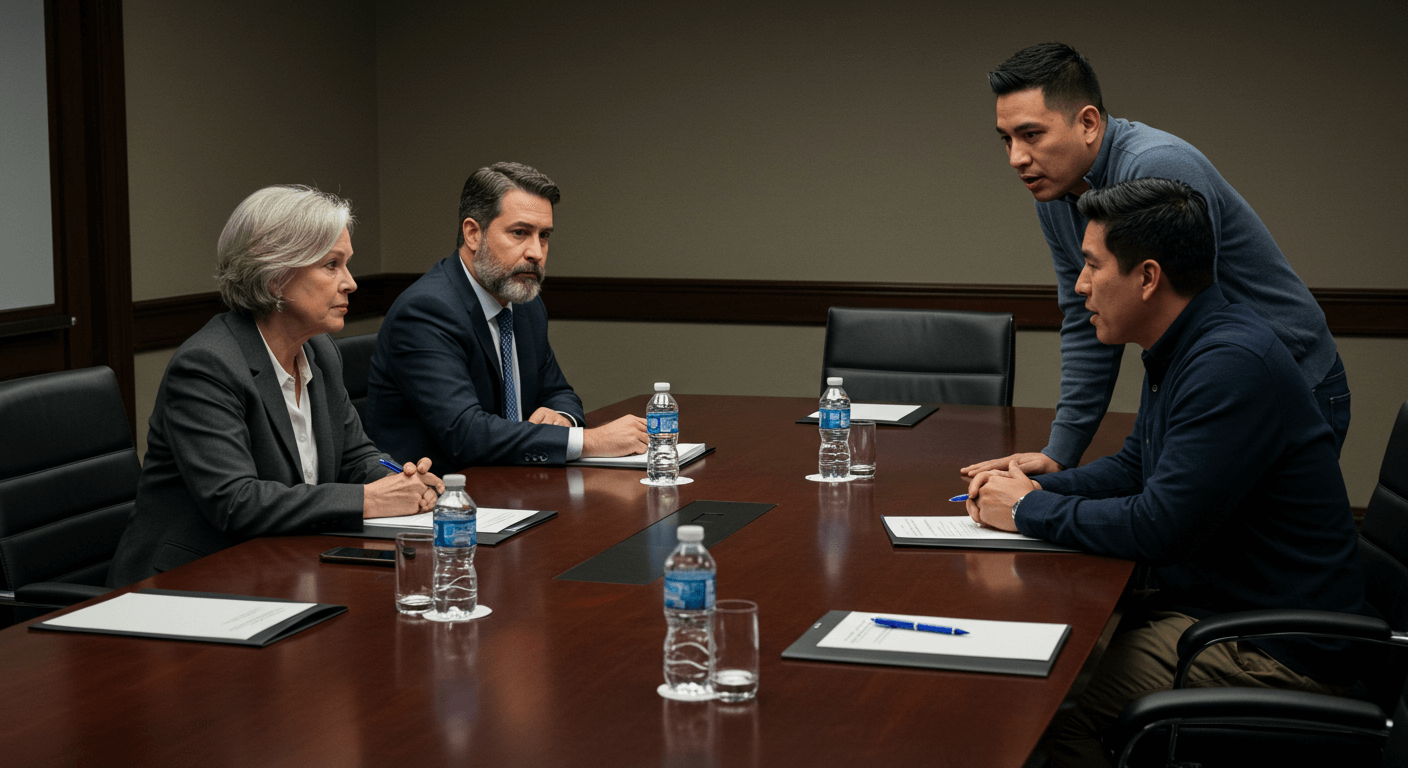
Side A: Claimant “James”
James initiated a credit reporting dispute after identifying multiple inaccuracies adversely affecting his credit score. He entered mediation willingly to resolve the matter quickly but struggled with organizing critical evidence and understanding procedural deadlines. Mediation sessions helped clarify issues but ultimately did not yield a settlement.
Side B: Respondent - Credit Reporting Agency Representative
The agency representative viewed mediation as an opportunity to correct errors but emphasized the need for clear documentation. Concerns arose regarding timeline adherence and evidence reliability. When mediation failed, they prepared for arbitration asserting procedural compliance aligned with Maryland rules.
What Actually Happened
Arbitration ensued with fully prepared evidence and strict procedural adherence, leading to a binding award favoring partial corrections. Both parties recognized the value of mediation despite proceeding to arbitration for resolution. Lessons highlight the importance of early thorough evidence collection and understanding procedural requirements.
This is a first-hand account, anonymized for privacy. Actual outcomes depend on jurisdiction, evidence, and specific circumstances.
Diagnostic Checklist
| Stage | Trigger / Signal | What Goes Wrong | Severity | What To Do |
|---|---|---|---|---|
| Pre-Dispute | Unclear mediation agreement or clause | Procedural non-compliance risk | High | Legal review of agreement; clarify mediation/arbitration obligations early |
| Pre-Dispute | Missing notice deadlines | Claims dismissed or delayed | Critical | Implement calendar alerts; confirm notices |
| During Dispute | Incomplete evidence packages | Weakens case; potential dismissal | High | Use evidence checklists and digital repositories |
| During Dispute | Missed filing deadlines | Claim dismissal or delay | Critical | Legal review; automated reminders |
| Post-Dispute | Arbitration award not enforced | Further litigation required | Moderate | Prepare enforcement petitions promptly |
| Post-Dispute | Poor dispute framing | Loss of arbitration effectiveness | Moderate | Incorporate enforcement data and industry trends |
Need Help With Your Consumer-Disputes Dispute?
BMA Law provides dispute preparation and documentation services starting at $399.
Not legal advice. BMA Law is a dispute documentation platform, not a law firm.
FAQ
What statutes govern mediation and arbitration in Maryland?
Maryland dispute resolution is governed primarily by the Maryland Arbitration Act (Md. Code Ann., Cts. & Jud. Proc. § 3-201 et seq.) which sets enforceability standards for arbitration agreements. Procedural requirements such as filings and evidence are regulated by the Maryland Rules of Civil Procedure, Rules 3-501 through 3-510. These ensure orderly progression of arbitration and mediation.
Are mediation agreements binding under Maryland law?
Mediation agreements in Maryland are generally voluntary but once parties reach a settlement and document it appropriately, courts recognize it as enforceable under Md. Code § 3-207. Proper notice and consent must exist before enforcement. Without clear documentation, mediation results remain non-binding.
What types of evidence are necessary for arbitration preparation?
Key evidence includes contracts, comprehensive documented communications such as emails and letters, transaction records, and any correspondence relevant to the dispute. Maryland’s procedural rules require document preservation aligned with disclosure obligations. Organizing these into a digital or manual repository supports procedural readiness.
What procedural risks pose the greatest threat during Maryland arbitration?
Missing filing or notice deadlines can cause outright dismissal. Failure to submit required evidence timely or incomplete disclosures weaken cases and invite adverse rulings. Misapplication of arbitration rules or failure to comply with Maryland’s procedural statutes can result in procedural dismissals or sanctions.
How do federal enforcement data impact Maryland dispute strategies?
Federal Consumer Financial Protection Bureau (CFPB) records highlight recurring complaint patterns in industries such as credit reporting. For example, multiple complaints filed in March 2026 in Maryland involved inaccurate credit information. These data inform evidence collection priorities and strategic framing by revealing common dispute issues specific to Maryland’s markets.
References
- Maryland Arbitration Act - Legal framework for arbitration: mgaleg.maryland.gov
- Maryland Rules of Civil Procedure - Procedural guidance: govt.westlaw.com
- Federal Consumer Protection Enforcement Records - Industry complaint data: consumerfinance.gov
Last reviewed: June/2024. Not legal advice - consult an attorney for your specific situation.
Important Disclosure: BMA Law is a dispute documentation and arbitration preparation platform. We are not a law firm and do not provide legal advice or representation.
Get Local Help
BMA Law handles consumer arbitration across all 50 states:
Important Disclosure: BMA Law is a dispute documentation and arbitration preparation platform. We are not a law firm and do not provide legal advice or representation.