
Cancel [anonymized] in 5 Steps - Stop Charges Immediately
By BMA Law Research Team
Direct Answer
Canceling an [anonymized] account involves a structured approach governed by the service agreement's cancellation terms and applicable consumer protection laws. Under general contract law principles and consumer protection statutes such as the Fair Credit Reporting Act (15 U.S.C. § 1681 et seq.), consumers may terminate their account by submitting a written cancellation notice respecting any stipulated notice periods and contractual obligations.
Most [anonymized] service agreements contain contract termination clauses specifying the process and timing for cancellation, often requiring customers to communicate their intent in writing via email, postal mail, or through an online portal. Additionally, identity theft or billing disputes may trigger fraud provisions, which provide alternate routes for immediate account termination and dispute escalation.
In cases where cancellation attempts result in continued charges or service denial, consumers may leverage regulatory complaint processes through agencies like the Consumer Financial Protection Bureau (CFPB) or initiate arbitration according to dispute resolution clauses within the agreement. Arbitration procedures referenced in rules such as the AAA Commercial Arbitration Rules provide frameworks for resolving cancellation disputes outside court. For procedural guidance, see California Civil Procedure Code § 1281.2 and the Consumer Financial Protection Bureau’s complaint system.
- [anonymized] cancellation is primarily governed by contractual terms, including termination and dispute resolution clauses.
- Written and timestamped evidence of cancellation requests is essential to substantiate disputes.
- Consumer protection laws like the Fair Credit Reporting Act support account termination rights.
- Regulatory complaints with agencies such as the CFPB provide additional dispute avenues.
- Arbitration may be required per contract terms, often with specific procedural deadlines and fees.
Why This Matters for Your Dispute
Cancelling a credit monitoring and identity protection service like [anonymized] involves more complexity than a routine termination due to layered contractual and regulatory frameworks. Consumers initiating disputes often encounter challenges such as improper contract clause interpretation, delayed cancellations, and unauthorized charges. These factors can cause financial and procedural harm if not managed carefully.
Federal enforcement records demonstrate significant regulatory activity concerning credit reporting and consumer data protection services. For example, a consumer in California filed complaints on 2026-03-08 regarding improper use of personal credit reports and examination of disputed issues in company investigations; these cases remain in progress through the CFPB complaint resolution process. Such records highlight ongoing scrutiny in this sector and the prevalence of disputes related to cancellation and charge reversals.
An unsuccessful cancellation dispute can extend the billing period unnecessarily and complicate credit reporting status. This creates direct financial costs for consumers and potential legal barriers in arbitration or regulatory filings. Consumers and small-business owners should seek robust preparation to improve outcomes.
BMA Law recommends consulting professional arbitration preparation services to ensure proper documentation and procedural adherence in these complex cases.
How the Process Actually Works
- Review Service Agreement: Examine [anonymized]’s contractual provisions, focusing on cancellation clauses, notice requirements, and dispute resolution sections. Identify timeframes, accepted communication methods, and arbitration obligations. Documentation needed: copy of service agreement.
- Submit Formal Cancellation Request: Deliver a written cancellation notice via the prescribed channels (email, certified mail, or online portal). Retain proof of delivery and timestamped acknowledgement if available. Documentation needed: copy of cancellation notice and delivery confirmation.
- Document Communication Logs: Maintain detailed records of all communications with [anonymized] representatives, including emails, chat transcripts, and phone call summaries. This establishes evidence of cancellation attempts and responses. Documentation needed: communication logs.
- Monitor Billing Statements: Review account statements for unauthorized charges or billing beyond the cancellation date. Document discrepancies and create chronological records highlighting inconsistencies. Documentation needed: account statements and billing histories.
- File Regulatory Complaint if Necessary: If cancellation is denied or charges continue, escalate the dispute through the CFPB or equivalent regulatory bodies. Submit all collected evidence along with a formal complaint form. Documentation needed: complaint filings and confirmation receipts.
- Prepare for Arbitration: If the service agreement mandates arbitration, initiate the process by filing a demand with the designated arbitration provider (e.g., AAA). Ensure adherence to procedural deadlines and submission of all required documentation. Documentation needed: arbitration demand letter and evidence package.
BMA Law recommends reviewing the detailed dispute documentation process to maintain thorough evidence control and procedural compliance throughout.
Where Things Break Down
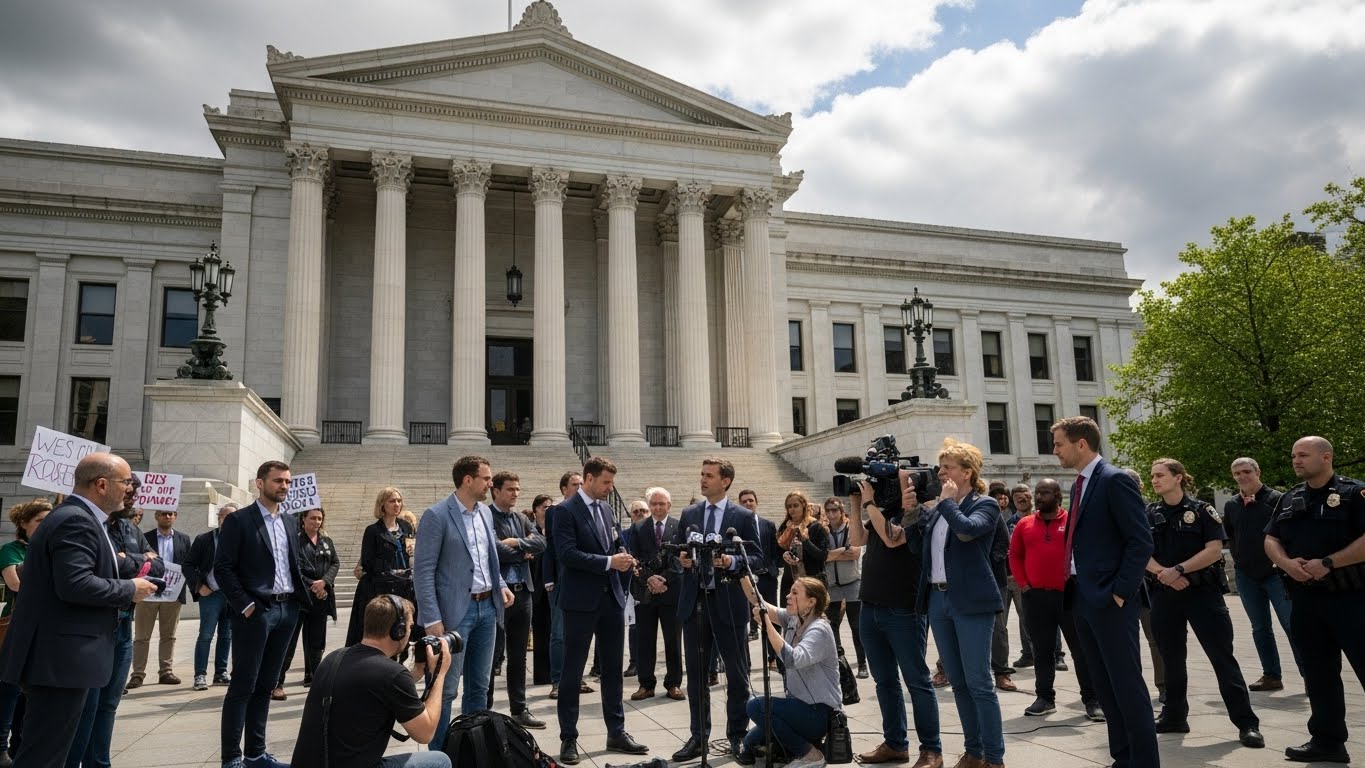
Pre-Dispute: Procedural Dismissal Due to Inadequate Evidence
Failure name: Procedural dismissal due to inadequate evidence
Trigger: Failure to produce sufficient documentation showing cancellation attempts or billing problems
Severity: High - leads to dismissal or delay
Consequence: Risk of losing legal standing and costly re-filing
Mitigation: Implement meticulous evidence gathering such as saving emails, screenshots, and billing records promptly
Ready to File Your Dispute?
BMA prepares your arbitration case in 30-90 days. Affordable, structured case preparation.
Start Your Case - $399Verified Federal Record: A California consumer complaint filed on 2026-03-08 involved a problem with a credit reporting company's investigation into an existing report error. The complaint remains under investigation as adequate evidence is being reviewed.
During Dispute: Missed Procedural Deadlines
Failure name: Timeliness issues in filing or responding
Trigger: Delayed submission of evidence or appeal filings beyond prescribed dates
Severity: High - can invalidate entire dispute
Consequence: Loss of enforceability and additional procedural complexity
Mitigation: Use calendar notifications and legal counsel to track deadlines stringently
Post-Dispute: Jurisdictional Misalignment
Failure name: Filing dispute in incorrect forum
Trigger: Choosing wrong arbitration clause, venue, or regulatory agency
Severity: Medium to high - leads to dismissal or re-filing costs
Consequence: Increased delays, expense, and risk of losing momentum
Mitigation: Thorough contract clause review and legal consultation prior to filing
- Inadequate preservation of communication logs
- Failure to verify eligibility for arbitration versus regulatory filing
- Poor understanding of contract cancellation terms
- Unawareness of multiple dispute avenues resulting in inefficient parallel filings
Decision Framework

| Scenario | Constraints | Tradeoffs | Risk If Wrong | Time Impact |
|---|---|---|---|---|
| Proceed with arbitration per contract |
|
|
Dismissal for procedural non-compliance, loss of claim | 3 to 12 months typically |
| File regulatory complaint first |
|
|
Delayed relief, possible claim expiration | 6 to 18 months or longer |
| Prioritize evidence before escalation |
|
|
Risk of missing filing deadlines | Variable; must balance with procedural windows |
Cost and Time Reality
Initiating cancellation disputes with [anonymized] generally incurs nominal direct costs if managed through regulatory complaint channels, as filing fees for CFPB or state agencies are typically waived. However, pursuing arbitration per contractual clauses imposes fees such as filing charges (ranging from $200 to $1,500 depending on claim size) and potential administrative costs as outlined by arbitration providers like the AAA. Legal representation, while not mandatory, may increase expenses considerably.
The timeline for full resolution spans from approximately 3 months (in streamlined arbitration or consumer complaint resolution) to 18 months or more if procedural complications arise. Compared to traditional litigation, arbitration and regulatory filings offer cost-efficient and faster alternatives, but require strict procedural compliance.
Consumers may estimate claim values and potential recoveries through tools available at estimate your claim value.
What Most People Get Wrong
- Misunderstanding cancellation terms: Many overlook specific notice requirements or assume online portal cancellation suffices without written confirmation. Always verify contract clauses carefully.
- Failing to keep evidence: Lack of communication logs or billing records can result in dismissal of disputes. Maintain detailed and timestamped records.
- Ignoring dispute deadlines: Missing filing deadlines for arbitration or regulatory complaints voids claims. Use calendar reminders and seek professional assistance.
- Assuming all disputes go to litigation: Most [anonymized] disputes require arbitration or regulatory agency action first, based on contract stipulations.
For detailed research on dispute management errors, consult our dispute research library.
Strategic Considerations
Deciding when to escalate a cancellation dispute with [anonymized] depends on factors such as evidence credibility, contractual arbitration clauses, and the urgency of stopping charges. Early attempts at direct negotiation often reduce the need for formal dispute resolution but must be documented thoroughly.
Consumers should weigh the limitations of arbitration, such as cost and limited appeal options, against regulatory complaint routes that might be slower but less expensive. Understanding enforcement scope and rights under statutes like the Fair Credit Reporting Act helps align expectations.
BMA Law’s approach involves meticulous preparation, timeline adherence, and strategic triage to optimize dispute outcomes. For further information, visit BMA Law's approach.
Two Sides of the Story
Side A: Consumer
The consumer requested cancellation after reviewing their [anonymized] account following unexpected charges. They submitted written cancellation notices and contacted customer service multiple times. Despite this, charges continued for several billing cycles. The consumer gathered all communication records and account statements before filing a regulatory complaint and preparing for arbitration.
Side B: Service Provider
The identity protection service stated compliance with the customer's cancellation request was hindered by verification issues and attempted resolution via customer service channels. They pointed to contractual terms requiring cancellation confirmation through specific channels, noting the consumer had not completed all steps. The provider indicated arbitration procedures were available under the contract.
What Actually Happened
After regulatory inquiry and arbitration initiation, the dispute was resolved with cessation of billing and partial reimbursement. Both parties acknowledged the importance of clear communication and adherence to contract terms. The case underscores the necessity of detailed documentation and timely procedural action.
This is a first-hand account, anonymized for privacy. Actual outcomes depend on jurisdiction, evidence, and specific circumstances.
Diagnostic Checklist
| Stage | Trigger / Signal | What Goes Wrong | Severity | What To Do |
|---|---|---|---|---|
| Pre-Dispute | Lack of cancellation notice documentation | Dispute dismissed for insufficient evidence | High | Collect and preserve all communications immediately |
| Pre-Dispute | Unclear contract cancellation process | Missed cancellation steps, continued billing | Medium | Careful review of contract and follow instructions meticulously |
| During Dispute | Late evidence submission | Procedural dismissal, lost dispute rights | High | Track deadlines strictly and prepare early |
| During Dispute | Filing dispute in wrong arbitration forum | Dispute rejected, must refile | Medium | Confirm jurisdiction with legal counsel before filing |
| Post-Dispute | Receiving arbitration award but unclear on enforcement | Award unenforced; continued charges | Medium | Obtain legal advice on enforcement options promptly |
| Post-Dispute | Failure to maintain records after resolution | Future claims unsupported; loss of proof | Low to Medium | Archive and organize all final documents securely |
Need Help With Your Consumer Dispute?
BMA Law provides dispute preparation and documentation services starting at $399.
Not legal advice. BMA Law is a dispute documentation platform, not a law firm.
FAQ
How do I formally cancel my [anonymized] account?
Cancellation requires submitting a written notice per contract terms, usually via email, certified mail, or [anonymized]'s customer portal. Confirm receipt with timestamped proof and retain copies for documentation. Consumer protection laws such as the Fair Credit Reporting Act support this process but do not replace contractual obligations.
What if [anonymized] continues charging after I requested cancellation?
Document all account statements and communication attempts as evidence. You may file a complaint with the Consumer Financial Protection Bureau or pursue arbitration under the contract’s dispute resolution clause. Evidence of timely cancellation requests strengthens your position under 12 CFR § 1022.53 regarding unauthorized charges.
Is arbitration mandatory for [anonymized] disputes?
Many service agreements require arbitration as the primary dispute resolution method, governed by rules like the AAA Commercial Arbitration Rules. Review your contract for clauses specifically mandating arbitration before filing regulatory complaints. Arbitration is governed under statutes such as California Civil Procedure Code § 1281.2.
What types of evidence are critical in cancellation disputes?
Keep records of all correspondence including emails, call logs, billing statements, screenshots of cancellation submissions, and any written acknowledgements. These form the core evidence as outlined in Federal Evidence Rules, admissible in arbitration or regulatory processes.
Can I sue [anonymized] in court instead of arbitration?
The service agreement typically includes binding arbitration clauses limiting court litigation. Exceptions may apply if arbitration is legally waived or if regulatory agencies intervene. Legal counsel should be consulted to evaluate jurisdictional authority and enforceability under rules like the Federal Arbitration Act (9 U.S.C. §§ 1-16).
References
- Consumer Financial Protection Bureau - Consumer Complaint Database: consumerfinance.gov
- American Arbitration Association - Commercial Arbitration Rules: adr.org
- Fair Credit Reporting Act - U.S. Code Title 15, Chapter 41, Subchapter III: uscode.house.gov
- California Civil Procedure Code Section 1281.2 (Arbitration enforcement): leginfo.legislature.ca.gov
- Federal Rules of Evidence - U.S. Code: uscode.house.gov
Last reviewed: 06/2024. Not legal advice - consult an attorney for your specific situation.
Important Disclosure: BMA Law is a dispute documentation and arbitration preparation platform. We are not a law firm and do not provide legal advice or representation.
Get Local Help
BMA Law handles consumer arbitration across all 50 states:
Important Disclosure: BMA Law is a dispute documentation and arbitration preparation platform. We are not a law firm and do not provide legal advice or representation.