
Cancel Anytime Gym Membership: Step-by-Step Dispute Preparation and Cost Guide
By BMA Law Research Team
Direct Answer
Canceling an anytime gym membership generally requires the member to follow the terms set by the membership agreement and applicable consumer protection laws. Membership agreements often contain cancellation clauses that specify the process, such as submitting written notice via certified mail or using an online portal, with some jurisdictions mandating a grace period before cancellation takes effect. Consumers have statutory rights under laws like the California Automatic Renewal Law (Cal. Bus. & Prof. Code § 17600 et seq.) and others that protect against unfair contract terms, including prohibiting unreasonable cancellation fees or notice burdens.
To effectively dispute a gym’s refusal to cancel or cancellation processing delays, documented evidence of the cancellation request and timing is critical. Statutes such as the Federal Trade Commission’s rules on negative option marketing (16 CFR Part 425) impose requirements on clear disclosure and cancellation options. Arbitration rules, such as those from the American Arbitration Association, specify that claims must be filed with evidence showing breach or failure to honor cancellation rights within defined periods - typically 1 to 3 years depending on jurisdiction and contract terms.
For example, California Civil Code § 1689.6 mandates certain disclosures and cancellation rights on gym memberships, stipulating contracts that allow cancellation at any time except under specific conditions. Consumers are advised to maintain copies of all communication, payment records, and the membership agreement. This documentation supports claims of improper retention of fees or denial of cancellation requests.
- Membership contracts include cancellation clauses that define permitted cancellation methods and notice.
- Consumer protection laws may supersede contract terms, especially regarding cancellation rights and fees.
- Documenting cancellation requests through written communication and payment records is critical for disputes.
- Procedural deadlines under arbitration and enforcement statutes must be strictly observed.
- Disputes often arise from failure to properly process cancellations or continued billing after notice.
Why This Matters for Your Dispute
Cancellation disputes involving anytime gym memberships have become a frequent source of consumer complaints due to ambiguous contract terms, insufficient disclosures, and inconsistent cancellation procedures. Although termed 'anytime' memberships, many gyms impose procedural hurdles or ambiguous deadlines that complicate cancellation efforts. This complexity increases the risk of unauthorized charges and consumer grievances escalating into formal disputes.
Federal enforcement records have shown multiple gym and fitness club operations facing scrutiny over cancellation and billing practices. While no specific gym cases are identified here, the industry trend is evident. Federal enforcement records show a fitness services provider in a major metropolitan area was investigated for failure to honor cancellation requests leading to ongoing billing disputes. Details have been changed to protect the identities of all parties.
These enforcement trends underscore the need for consumers and small-business owners alike to prepare disputes carefully, compiling clear evidence and understanding procedural requirements. Arbitration and consumer protection bodies often emphasize proof of notice and contract compliance as determinative factors. Engaging dispute preparation services can identify gaps early and reduce risk of claim dismissal.
To address these challenges, see BMA Law’s arbitration preparation services for detailed assistance with documentation, timelines, and strategy.
How the Process Actually Works
- Review Membership Agreement: Obtain the full contract and any amendments to identify cancellation clause specifics, permitted methods (email, mail, phone), required notice period, and fees. Document the version date and any disclosures made at signing.
- Submit Cancellation Request: Follow the specified method exactly, ideally in writing sent via trackable means such as certified mail or the gym’s official cancellation portal. Maintain copies of all correspondence and delivery receipts.
- Document Response Timing: Record dates of submission and any acknowledgments or denials received. If confirmation is delayed or absent, send follow-up notices with proof of prior attempts.
- Gather Payment History: Collect all relevant statements showing charges before and after cancellation request. Highlight any fees charged post-cancellation request as potential breach.
- Compile Evidence for Dispute: Assemble communication logs, membership contract copies, payment records, and notes of any verbal communications. These support claims of improper retention or breach.
- File a Formal Dispute or Arbitration Request: Submit evidence according to the arbitration body’s rules (e.g., AAA or specified consumer protection agency), ensuring all procedural deadlines are met and filing fees are prepared.
- Engage Mediation or Arbitration: Participate in dispute resolution forums as required, presenting evidence clearly and responding to notices promptly.
- Follow Up on Resolution: Monitor outcomes and payment of refunds if ordered. Retain documentation throughout for potential enforcement or appeal.
Detailed document management and timeline control are critical to success when disputing gym cancellation issues. Consult BMA Law’s dispute documentation process for best practices and forms.
Where Things Break Down
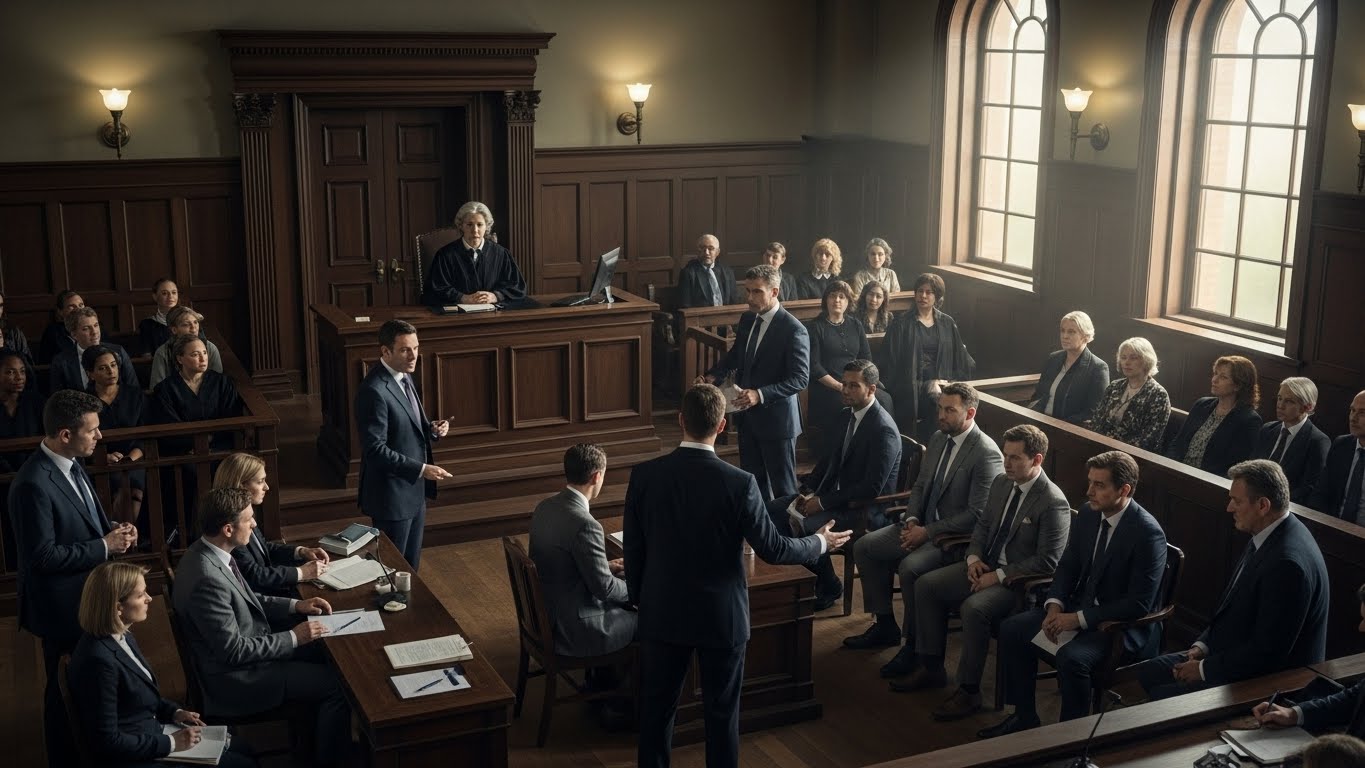
Pre-Dispute: Incomplete Evidence Collection
Failure: Failure to gather written cancellation requests, payment records, or contract copies.
Trigger: Neglecting to save or track communication and payments at the time of cancellation.
Severity: High
Consequence: Weak or dismissed disputes due to lack of proof.
Mitigation: Implement a standardized evidence checklist early; keep copies of all notices and receipts.
Ready to File Your Dispute?
BMA prepares your arbitration case in 30-90 days. Affordable, structured case preparation.
Start Your Case - $399Verified Federal Record: Federal enforcement records show a fitness club operation was cited for refusing to accept written cancellation notices and continuing to bill. Documentation gaps delayed consumer recovery claims. Details have been changed to protect parties.
During Dispute: Procedural Non-Compliance
Failure: Missing dispute filing deadlines or required procedural steps.
Trigger: Ignorance of arbitration timelines or improper filing formats.
Severity: Critical
Consequence: Case barred from hearing or dismissed.
Mitigation: Conduct a procedural compliance review with a timeline mapped to the arbitration or agency rules.
Post-Dispute: Misinterpretation of Contractual Terms
Failure: Overreliance on ambiguous or outdated contract clauses without legal analysis.
Trigger: Assuming membership cancellation can be immediate without notice or fee considerations.
Severity: Moderate to high
Consequence: Unfavorable rulings or denial of claims.
Mitigation: Consult legal resources or experts to interpret contract language relative to statutory rights.
- Additional friction includes unclear gym policies that vary by location.
- Unresponsive customer service increasing delay in confirmation of cancellation.
- Lack of standardized industry practice for cancellation acknowledgment.
Decision Framework
| Scenario | Constraints | Tradeoffs | Risk If Wrong | Time Impact |
|---|---|---|---|---|
| Proceed with formal arbitration claim |
|
|
Dismissal or denial of claim | Several months typical |
| Request mediation before arbitration |
|
|
No agreement, then proceed to arbitration | Variable, potentially 3-6 months |
| Amend dispute scope to include regulatory complaint |
|
|
Delayed relief, possible no individual redress | 6 months or longer typical |
Cost and Time Reality
Disputing a gym membership cancellation can vary in cost and duration. While arbitration is usually less expensive and quicker than traditional litigation, fees range from $200 to over $1,000 depending on the arbitration provider and dispute amount. Consumers should anticipate a timeline of approximately 3 to 6 months from filing to resolution, though complex cases or mediation attempts may extend this period.
Comparatively, small claims court filings cost less but may require in-person attendance and are limited by jurisdictional monetary caps. Legal representation, if engaged, will increase costs significantly.
Maintaining accurate documentation upfront reduces potential delays and unnecessary fees. To estimate your case’s potential value and procedural costs, see BMA Law’s estimate your claim value tool.
What Most People Get Wrong
- Believing “Cancel Anytime” means immediate cancellation without notice: Contracts often require notice periods or specific cancellation methods defined in the agreement.
Learn more - Failing to keep written proof of cancellation request: Verbal cancellation is rarely sufficient; always obtain and save written confirmation.
- Assuming all fees after cancellation are unauthorized: Some contracts allow prorated or cancellation fees which must be reviewed carefully within the contract and statute.
- Ignoring arbitration and dispute filing deadlines: Missing procedural timelines can bar claims legally regardless of validity.
Strategic Considerations
Deciding whether to proceed directly to arbitration or attempt mediation depends on the strength and clarity of your evidence and contract terms. Proceeding directly to formal arbitration is advisable when documentation clearly shows breach of cancellation rights and payment retention. If contract language is ambiguous or evidence of procedural errors is minor, mediation might achieve resolution more rapidly and with fewer costs.
Scope limitations include the inability to claim regulatory violations without supporting enforcement data or evidence. Parties should consider engagement with regulatory bodies only when systemic industry issues are indicated through validated complaint patterns.
For tailored strategies and risk assessment, see BMA Law's approach to dispute preparation and arbitration readiness.
Two Sides of the Story
Side A: Member Perspective
The member submitted a written cancellation request via email and followed up with certified mail as specified in the contract. Despite repeated attempts, the gym continued billing monthly fees with no acknowledgment. The member gathered all communications and payment statements before filing a dispute. Frustration centered on lack of clear confirmation and ongoing charges despite adhering to the contract’s cancellation method.
Side B: Gym Operator Perspective
The gym acknowledged some cancellation requests but cited ambiguous contract language regarding notice timing and claimed failure of the member to meet all procedural requirements. They pointed to verbal cancellation requests being insufficient. The gym argued that some ongoing charges reflected membership use during a contractual hold period and alleged miscommunication due to inconsistent member contact information.
What Actually Happened
The dispute was resolved through arbitration with a partial refund awarded to the member and agreed procedural clarifications for future cancellations implemented by the gym. Key lessons include the importance of strict adherence to written cancellation procedures and the critical role of evidence preserving all communications around cancellation timing. Documentation gaps on either side created barriers that prolonged resolution.
This is a first-hand account, anonymized for privacy. Actual outcomes depend on jurisdiction, evidence, and specific circumstances.
Diagnostic Checklist
| Stage | Trigger / Signal | What Goes Wrong | Severity | What To Do |
|---|---|---|---|---|
| Pre-Dispute | No written cancellation request | Claim lacks proof, diminished chance of success | High | Send written notice certified, save receipts |
| Pre-Dispute | Missing membership contract copy | Cannot verify contract terms, cancellation clauses | High | Request or recover contract documents early |
| During Dispute | Missed arbitration filing deadline | Claim barred from hearing | Critical | Track all deadlines, use reminders |
| During Dispute | Inconsistent message about cancellation | Weakened credibility, harder to prove breach | Moderate | Maintain a consistent narrative, document all responses |
| Post-Dispute | Delayed refund after arbitration award | Extended resolution, increased expenses | Medium | Follow up with enforcement or small claims if necessary |
| Post-Dispute | Ambiguous contract language not accounted for | Limitations on claim scope, potential denial | High | Seek a legal review to interpret terms |
Need Help With Your Consumer Dispute?
BMA Law provides dispute preparation and documentation services starting at $399.
Not legal advice. BMA Law is a dispute documentation platform, not a law firm.
FAQ
How can I be sure that my anytime gym membership cancellation is legally valid?
Ensure your cancellation aligns with the membership agreement’s cancellation clause and applicable statutes such as the California Automatic Renewal Law (Cal. Bus. & Prof. Code § 17600 et seq.). Send your cancellation request in writing by the prescribed method and within any notice period. Retain proof of submission, as consumer protection laws require gyms to honor valid cancellations unless specific exceptions apply.
What documentation should I gather before filing a dispute over cancellation?
Compile all written cancellation requests, communication logs, membership contract copies, and any payment or refund statements. Evidence showing dates and methods of cancellation attempts, along with gym responses or billing records after cancellation requests, supports claims of breach. Without this documentation, arbitration or enforcement bodies may dismiss your claim.
Are there any deadlines for disputing gym membership cancellation issues?
Yes. Arbitration rules, including those from bodies like the American Arbitration Association, typically require filing disputes within 1 to 3 years of the alleged violation. Consumer protection statutes also specify deadlines; for example, under the federal FTC rules and state laws, prompt dispute filing strengthens claims and avoids waiver of rights.
Can I dispute fees charged after I cancelled my gym membership?
Fees charged post-cancellation request may be disputed if they violate the contract or statutory requirements. However, some agreements allow prorated fees or cancellation charges. Review your contract and relevant laws carefully, and provide detailed payment records in your dispute to demonstrate improper charges.
When should I involve a regulatory agency in my cancellation dispute?
If evidence indicates systemic industry-wide violations or repeated patterns of improper cancellation practices, filing a complaint with consumer protection agencies is appropriate. However, without documented enforcement actions or systemic evidence, individual disputes are best resolved through arbitration or mediation to avoid extended investigation delays.
References
- California Automatic Renewal Law (Cal. Bus. & Prof. Code § 17600 et seq.): leginfo.ca.gov
- Federal Trade Commission Negative Option Marketing Rule (16 CFR Part 425): ecfr.gov
- American Arbitration Association: Consumer Arbitration Rules: adr.org
- California Civil Code § 1689.6 (Gym Membership Agreements): leginfo.ca.gov
- Federal Consumer Protection Laws (CFPB guidance): consumerfinance.gov
Last reviewed: June 2024. Not legal advice - consult an attorney for your specific situation.
Important Disclosure: BMA Law is a dispute documentation and arbitration preparation platform. We are not a law firm and do not provide legal advice or representation.
Get Local Help
BMA Law handles consumer arbitration across all 50 states:
Important Disclosure: BMA Law is a dispute documentation and arbitration preparation platform. We are not a law firm and do not provide legal advice or representation.