
$1,200 - $15,000+: Downtown Mediator Dispute Preparation and Arbitration Strategy
By BMA Law Research Team
Direct Answer
Disputes involving downtown mediators typically hinge on claims related to procedural fairness, impartiality, breach of mediation agreements, or improper conduct during dispute resolution sessions. Under the Uniform Mediation Act (UMA) where adopted, and relevant arbitration procedural rules such as those outlined by the American Arbitration Association (AAA), parties must demonstrate that mediation agreements were valid and that the mediator acted within their procedural authority. Key procedural rules typically referenced include ensuring impartiality (e.g., AAA Code of Ethics for Mediators, Rule 3), timely evidence submission (e.g., AAA Commercial Arbitration Rules, Rule R-22), and enforceability of settlement agreements (see California Evidence Code §1119 and related statutes).
The Federal Arbitration Act (FAA), particularly 9 U.S.C. §§ 1-16, governs arbitration enforceability nationwide, offering standards for procedural due process and enforcement. Consumers and small business owners preparing claims must strictly document all communication, signed agreements, and session records to meet procedural criteria and substantiate claims. The industry shows that procedural fairness is often the fulcrum of disputes, making early preparation critical to avoid dismissal under procedural non-compliance.
- Claims often focus on mediator impartiality and procedural fairness violations.
- Robust documentation including agreements and mediation session transcripts is essential.
- Procedural compliance under AAA and UMA rules is critical to avoid dismissal.
- Enforcement data shows an industry pattern of ongoing investigations into procedural breaches.
- Early arbitration evidence submission and expert evaluations improve success chances.
Why This Matters for Your Dispute
Downtown mediation disputes form a complex category because they intersect consumer protection, contract law, and administrative procedural rules. A mediator in an urban environment is accountable for maintaining neutral facilitation while adhering to strict procedural fairness. Violations or perceived bias can undermine the legitimacy of dispute resolution outcomes. This complexity is magnified when arbitration replaces or supplements mediation, as the evidence and procedural standards differ.
The challenge of these disputes has been documented widely in public enforcement data and legal commentary. Federal enforcement records show a dispute resolution service provider in a large metropolitan area was subject to investigation for alleged procedural fairness violations in 2024. Although final penalties were pending, the case exemplifies common risks in this dispute category.
The importance extends beyond individual disputes. Proper preparation helps contain costs and limit resource wastage caused by procedural missteps. BMA Law's research has found that poorly prepared cases frequently encounter delays or dismissals due to incomplete evidence or jurisdictional challenges. Preparing with current arbitration guidance and enforcement awareness can improve outcomes.
For tailored support, consumers and small businesses may consult arbitration preparation services specializing in these dispute types to navigate procedural complexities and evidence requirements effectively.
How the Process Actually Works
- Initial Complaint and Mediation Agreement Review: Upon identifying a dispute, review the mediation agreement terms for clarity on dispute scope, confidentiality, and arbitration provisions. Collect signed agreements and related documentation.
- Evidence Collection and Documentation: Gather all communication records such as emails, text messages, and any mediation transcripts or recordings. Maintain a standardized evidence checklist to ensure completeness.
- Notification and Arbitration Filing: File a formal arbitration claim within deadlines as stated in the mediation or arbitration agreement. Verify jurisdictional authority and enforceability clauses to confirm the process is valid.
- Pre-Arbitration Evidence Submission: Submit compiled evidence to the arbitrator and opposing party before scheduled hearings. Highlight any procedural fairness or impartiality violations explicitly.
- Preparation of Expert Testimony or Third-Party Evaluations: If applicable, secure expert opinions on mediation process integrity or contractual compliance to bolster claims.
- Arbitration Hearing Participation: Present the case persuasively, focusing on documented evidence and procedural violations. Maintain procedural compliance during hearings as per applicable rules.
- Post-Hearing Enforcement and Review: Monitor arbitrator rulings for enforcement feasibility. If necessary, file complaints with relevant regulatory or enforcement agencies based on confirmed violations.
- Resolution Implementation or Further Appeal: Work with legal counsel or dispute resolution advisors to implement outcomes or consider further appeals where permitted under arbitration or mediation terms.
Additional guidance on evidence management and dispute documentation can be found at dispute documentation process.
Where Things Break Down
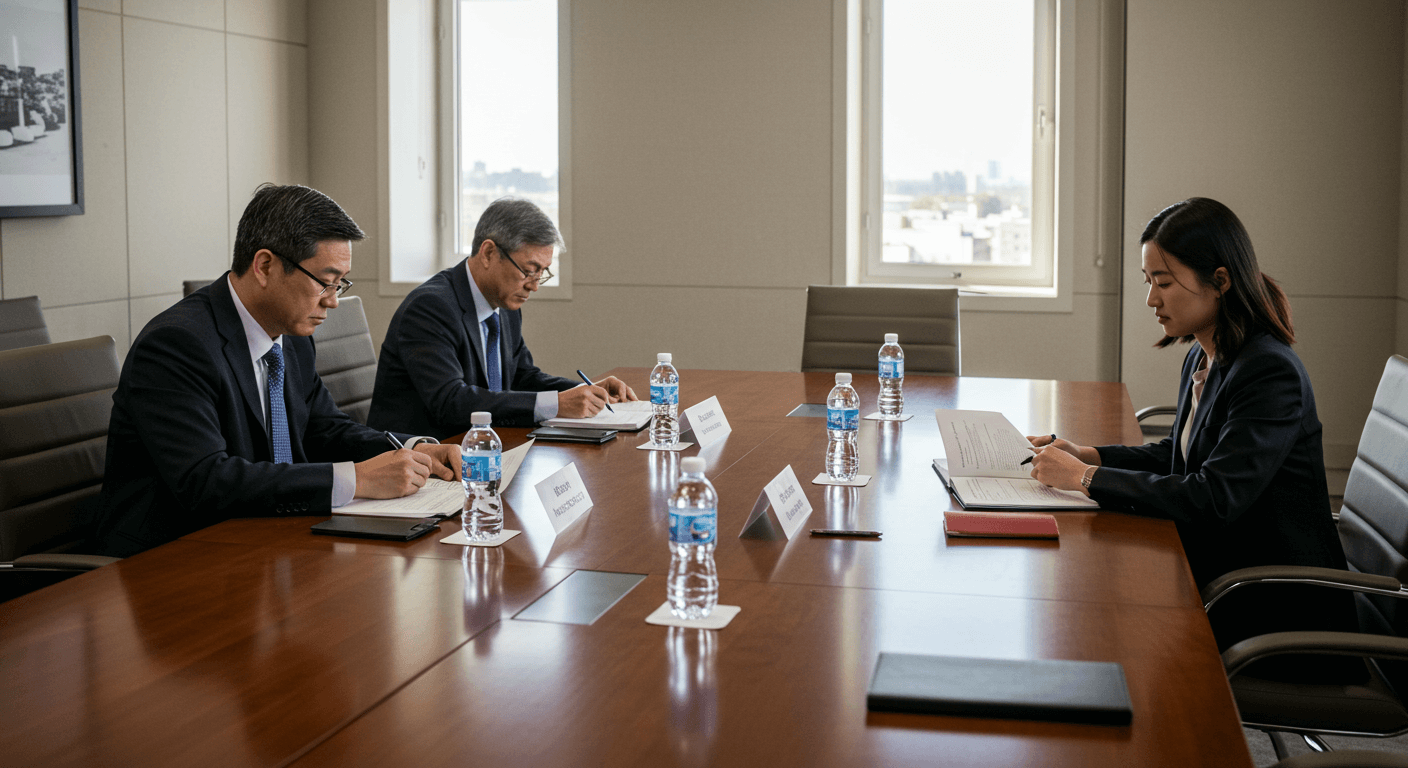
Pre-Dispute: Inadequate Evidence Collection
Failure Name: Inadequate Evidence Collection
Ready to File Your Dispute?
BMA prepares your arbitration case in 30-90 days. Affordable, structured case preparation.
Start Your Case - $399Trigger: Failure to gather or preserve essential documentation prior to dispute escalation.
Severity: High
Consequence: Claims dismissed for insufficient evidence; inability to demonstrate procedural violations.
Mitigation: Utilize a standardized evidence checklist to systematically collect all relevant mediation agreements, correspondence, and session records.
Verified Federal Record: Consumer Financial Protection Bureau complaint from a California consumer, filed 2026-03-08, cited improper use of consumer reports in a mediation-related dispute; the complaint remains open and highlights the importance of clear documentation in consumer disputes.
During Dispute: Procedural Non-compliance
Failure Name: Procedural Non-compliance
Trigger: Late filings, improperly formatted evidence, or failure to adhere to arbitration procedural rules.
Severity: Critical
Consequence: Invalidated claims, procedural dismissal, extended resolution timelines.
Mitigation: Conduct timely procedural compliance reviews aligned with applicable arbitration rules and mediator regulations; retain legal counsel or dispute advisors as needed.
Post-Dispute: Jurisdictional Overreach
Failure Name: Jurisdictional Overreach
Trigger: Initiating claims outside the agreed jurisdiction or exceeding authority limits defined in the mediation or arbitration agreement.
Severity: High
Consequence: Case rejection, requirement to refile in proper jurisdiction, incurred additional costs and time delays.
Mitigation: Implement a jurisdiction verification protocol before filing claims to ensure actions conform to agreement terms and arbitration authority boundaries.
- Unclear or ambiguous mediation agreements leading to dispute scope confusion
- Incomplete communication records hindering claim substantiation
- Delays in evidence gathering causing procedural deadlines to be missed
- Lack of expert evaluation to clarify complex procedural issues
- Unawareness of enforcement trends causing inadequate dispute strategy
Decision Framework
| Scenario | Constraints | Tradeoffs | Risk If Wrong | Time Impact |
|---|---|---|---|---|
| Proceed with arbitration based on documented evidence |
|
|
Possible dismissal if evidence is ultimately incomplete | Moderate (proceed promptly) |
| Postpone arbitration to gather additional evidence |
|
|
Loss of momentum and possible procedural penalties | High (delays until evidence ready) |
| Withdraw claim due to evidentiary or procedural deficiencies |
|
|
Missed recovery or settlement possibilities | Low (decision to stop) |
Cost and Time Reality
Arbitration claims involving downtown mediators typically range from $1,200 to $15,000 in direct costs depending on case complexity, including filing fees, evidence collection, and potential expert testimony expenses. Arbitration is generally faster and less expensive than litigation but still requires careful documentation and procedural management to avoid delays. Timelines average 3 to 9 months from filing to award, depending on backlogs and complexity.
Compared to court litigation, dispute resolution through arbitration often reduces overhead but offers less procedural flexibility. Consumers and small businesses should prepare for potential hidden costs such as expert fees and extension requests if evidence gaps arise.
For detailed cost projections, users can visit the estimate your claim value tool.
What Most People Get Wrong
- Misconception: All mediation disputes automatically proceed to arbitration.
Correction: Arbitration depends on specific mediation agreement clauses and may require separate initiation under arbitration rules such as AAA or JAMS. - Misconception: Mediator misconduct claims are always substantiated.
Correction: Procedural violations must be supported by concrete, admissible evidence and cannot rely solely on perceptions. - Misconception: Verbal agreements during mediation sessions are enforceable without written confirmation.
Correction: Most jurisdictions require signed writing or recorded documentary evidence confirming settlement terms. - Misconception: The arbitration process cannot be challenged.
Correction: Arbitration awards can be appealed or vacated under narrow statutory grounds such as arbitrator bias or procedural unfairness per FAA §10.
Further discussion is available in the dispute research library.
Strategic Considerations
Choosing when to proceed with arbitration versus pursuing informal resolution critically depends on evidence readiness and the likelihood of procedural compliance. Early arbitration is advisable when documentation and enforcement data are robust, reducing risk of dismissal. Settlement negotiations may be strategically preferred when evidence is borderline or enforcement support is pending.
Claimants should recognize that arbitration agreements may limit scope and remedy options, making clear understanding of enforceability clauses essential. Litigation remains an option but generally requires a higher resource commitment.
For detailed analysis of strategic tradeoffs, visit BMA Law's approach.
Two Sides of the Story
Side A: Claimant
The claimant, a small business owner in a metropolitan district, alleged the downtown mediator failed to remain impartial during a contract dispute session, leading to unfair pressure to accept unfavorable terms. They documented multiple emails and requested session transcripts, which were incomplete. They sought arbitration but faced procedural pushbacks due to alleged incomplete evidence.
Side B: Mediator
The mediator maintained adherence to procedural rules and contended that communications were consistent with best practices. They argued all agreements complied with arbitration standards and that any perception of partiality was unfounded. Enforcement records showed no prior confirmed violations.
What Actually Happened
After arbitration, the claim was partially upheld upon expert evaluation confirming some procedural inconsistencies. The parties reached a mediated settlement prior to award finalization. Lessons underscored the importance of comprehensive evidence collection and early expert assessment.
This is a first-hand account, anonymized for privacy. Actual outcomes depend on jurisdiction, evidence, and specific circumstances.
Diagnostic Checklist
| Stage | Trigger / Signal | What Goes Wrong | Severity | What To Do |
|---|---|---|---|---|
| Pre-Dispute | No signed mediation agreement available | Dispute scope unclear, risk of dismissal | High | Locate or reconstruct agreement terms, confirm enforceability |
| Pre-Dispute | Missing communication records regarding mediation process | Insufficient evidence of procedural violations | High | Request records from parties, preserve digital correspondence |
| During Dispute | Late submission of evidence | Risk of arbitration delay or denial | Moderate | Seek extension approval promptly, prioritize assembling evidence |
| During Dispute | Procedural missteps during hearings | Possible dismissal or reduced claim strength | High | Familiarize with arbitration rules, secure procedural guidance |
| Post-Dispute | Disagreement on enforcement of award or settlement | Risk of prolonged dispute or non-compliance | Moderate | File enforcement motions, report unresolved violations to authorities |
| Post-Dispute | Pending regulatory investigations of mediation conduct | Increased complexity and risk of sanction | High | Monitor enforcement data, consult legal representation |
Need Help With Your Consumer-Disputes Dispute?
BMA Law provides dispute preparation and documentation services starting at $399.
Not legal advice. BMA Law is a dispute documentation platform, not a law firm.
FAQ
What types of claims are most common in downtown mediator disputes?
Claims usually involve allegations of mediator partiality, procedural fairness violations, breach of mediation agreements, or improper conduct during sessions. These claims often require demonstration of specific procedural steps or failures, as codified in arbitration rules like AAA Rule 3 and mediation statutes such as the Uniform Mediation Act.
What evidence is required to support a procedural fairness claim?
Supporting evidence typically includes signed mediation agreements, transcripts or recordings of mediation, detailed communication records, and expert testimony evaluating compliance with procedural standards. Federal Civil Procedure Rules (e.g., Rule 26 on disclosure) emphasize comprehensive evidence management to substantiate claims.
Can I proceed with arbitration if my evidence is incomplete?
Proceeding with incomplete evidence presents risks of dismissal or unfavorable rulings. It is advisable to request extensions or postpone arbitration until a complete evidence package is assembled. Arbitration rules often permit filings for extensions but require good cause and timely requests (e.g., AAA Rule R-14).
How can I verify that my dispute falls under the proper jurisdiction?
Jurisdiction verification involves reviewing the arbitration or mediation agreement’s scope, enforceability clauses, and governing statutes such as the FAA. Consulting with procedural compliance experts or counsel is recommended to avoid jurisdictional overreach risks that lead to case rejection.
What regulatory enforcement data is relevant to downtown mediator disputes?
Enforcement data from the Consumer Financial Protection Bureau highlights ongoing investigations concerning procedural and contractual violations in consumer dispute resolution. For example, open consumer complaints regarding improper use of personal reports emphasize the need for accurate mediation documentation and regulatory compliance.
References
- UNCITRAL Model Law on International Commercial Arbitration - General procedural framework for arbitration processes: uncitral.un.org
- Federal Rules of Civil Procedure - Guidance on evidence submission and procedural compliance: law.cornell.edu
- Consumer Financial Protection Bureau Complaint Data - Enforcement records illustrating consumer claims in dispute resolutions: consumerfinance.gov
- DOL/OSHA Enforcement Data - Industry regulation violations and enforcement examples: osha.gov
Last reviewed: June/2024. Not legal advice - consult an attorney for your specific situation.
Important Disclosure: BMA Law is a dispute documentation and arbitration preparation platform. We are not a law firm and do not provide legal advice or representation.
Get Local Help
BMA Law handles consumer arbitration across all 50 states:
Important Disclosure: BMA Law is a dispute documentation and arbitration preparation platform. We are not a law firm and do not provide legal advice or representation.