
Construction Arbitration: How Consumers Can Prepare Before Filing a Dispute
By BMA Law Arbitration Preparation Team
Direct Answer
Construction arbitration is a process where parties, often involving complex building disputes, resolve conflicts through an impartial tribunal following established procedures. It commonly involves institutional rules such as the ICC Arbitration Rules or the UNCITRAL Model Law, which are tailored to address the specific procedural and evidentiary needs of international or large-scale construction projects. These frameworks provide a defined sequence for dispute initiation, notice, appointment of arbitrators, evidence exchange, hearings, and ultimately award issuance. Understanding this procedural anatomy is critical for consumers to prepare effectively before initiating arbitration proceedings, ensuring timely filings and correct documentation.
Verified Federal Record: CFPB Complaint #1998089, filed 2024-10-16. A consumer reported wage payment violations in a Texas-based assisted living facility. The company response: "209 violations, $511,430 back wages, 198 workers affected." While the case was administratively closed, the consumer's financial harm — and the procedural gap it exposed — remains unresolved without formal arbitration.
Verify this record on consumerfinance.gov →
- Construction arbitration often involves institutional rules such as ICC or UNCITRAL, tailored for complex projects.
- A common failure mode is delayed appointment of arbitrator due to scheduling conflicts, impacting case efficiency.
- Failure to timely file notice can result in waiver of rights; timely preparation is critical.
- Costs and time vary widely; arbitration fees depend on forum and case complexity.
Why This Matters for Your Dispute
Construction arbitration typically involves specialized rules designed for the complexities of building contracts and related claims. According to procedural norms set by bodies like ICC and UNCITRAL, these tailored institutional frameworks facilitate dispute resolution with formalized steps that anticipate challenges inherent in construction disputes, including technical evidence and multi-party involvement.
From a consumer perspective, understanding these mechanisms allows for early identification of necessary documentation, such as detailed contract clauses and correspondence, which form the foundation for a valid arbitration claim. The procedural tradeoff is often between speed of resolution and thoroughness of presentation; skipping or delaying key steps like filing a timely notice to arbitrate can lead to critical rights being waived.
Moreover, arbitration proceedings involve costs that fluctuate according to forum rules and dispute complexity, making informed planning essential. Consumers who engage arbitration preparation services benefit by anticipating these requirements, reducing the risk of procedural error or costly delays. This is especially relevant given that construction arbitration may require adjudicating technical contract issues, necessitating expert reports and coordinated hearings managed under established venue and arbitrator appointment protocols.
Ultimately, preparation aligned with the procedural anatomy minimizes risk exposure and preserves a consumer's ability to pursue claims effectively within institutional timeframes and rules.
How the Process Actually Works
Construction arbitration generally follows a structured procedural sequence, beginning with dispute initiation. The consumer must precisely identify the grievance, supported by a formal dispute notice. This step requires a comprehensive dispute documentation process including contract documents, relevant correspondence, and any expert reports that support the claim.
Next is the notice to arbitrate, formally informing the opposing party of the intent to arbitrate under agreed rules. Timeliness here is vital; failure to serve notice promptly can waive arbitration rights and result in dismissal of the claim.
The arbitrator appointment follows, where a neutral arbitrator or panel is selected according to procedural provisions. A common failure point is delayed appointment due to scheduling conflicts of qualified arbitrators, which can prolong resolution and increase costs.
Subsequently, parties enter the evidence exchange phase. This includes submitting all relevant documents such as contract clauses, correspondence, and expert reports. Careful management of disclosure and objecting to inadmissible evidence safeguards procedural fairness.
The process then proceeds to the hearing, which is the live—or sometimes virtual—presentation of the case. Here, parties present evidence and examine witnesses. Effective hearing scheduling and venue arrangements prevent undue delays.
Finally, the arbitration culminates in award issuance, where the neutral arbitrator renders a binding decision based on procedural compliance and evidentiary evaluation. Precision in this final step ensures enforceability under applicable laws and institutional rules.
Where Things Break Down
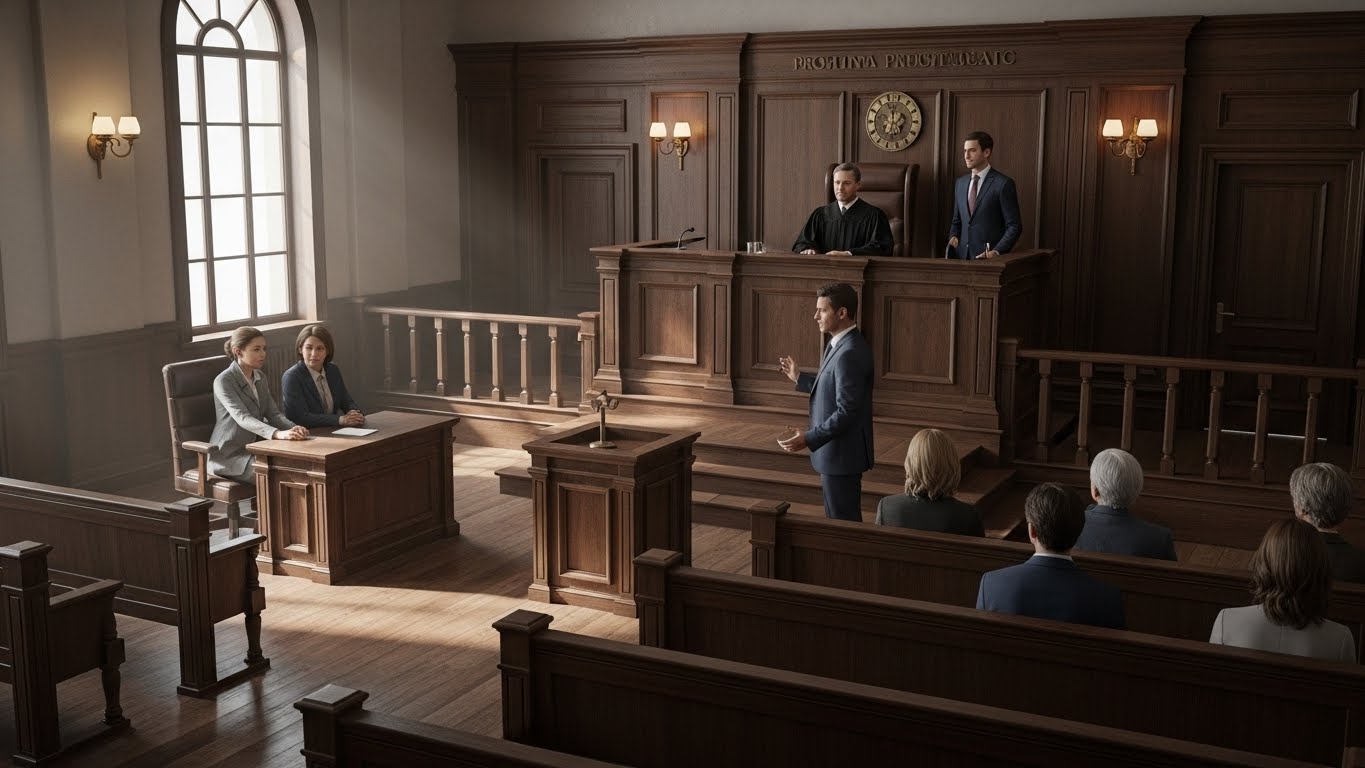
Failure modes in construction arbitration often arise at critical procedural junctures. One medium-severity, partially recoverable failure is the delayed appointment of arbitrator. When scheduling conflicts occur with arbitrators, their unavailability causes increased delays and elevated costs. This typically manifests during the dispute stage, directly impacting case efficiency and possibly extending the timeline beyond procedural expectations.
Failure to file notice timely is another critical risk. Missing deadlines by even a narrow margin may result in waiver of arbitration rights, a practically irreversible loss of dispute resolution leverage. Such procedural breaches often derive from misunderstandings of venue and forum rules.
Furthermore, friction arises from ill-prepared documentation—common among consumers unfamiliar with the complexities of contract clauses or evidentiary standards—resulting in jurisdictional objections or challenges to admissibility. Analysis suggests early and meticulous contract review is necessary to preempt these disputes.
This concept is supported by practitioner observation that construction arbitration requires detailed contract review early to avoid jurisdictional disputes. Without robust documentation preparation, consumers face higher risk of procedural denial or postponement.
Decision Framework

| Scenario | Constraints | Tradeoffs | Risk If Wrong | Time Impact |
|---|---|---|---|---|
| Construction dispute with international component | ICC rules, fast track scheduling | Cost vs speed | Invalid arbitration clause | If delayed appointment exceeds set period |
In such scenarios, choosing ICC or UNCITRAL procedural rules is typical; the tradeoff lies between expedited resolution and controlling arbitration fees. Failure to timely file arbitration notice raises the risk of waiver of rights, leading to lost dispute resolution opportunities. Monitoring procedural deadlines is crucial to avoid adverse outcomes.
Cost and Time Reality

The cost structure of construction arbitration generally comprises multiple fee layers: administrative fees imposed by the arbitration provider and arbitrator fees based on hourly rates or fixed arrangements. These fees vary depending on the forum selected and the complexity of the dispute.
Arbitration duration is influenced by case complexity and procedural speed. Delays such as late arbitrator appointments can escalate costs exponentially. Consumers are encouraged to estimate your claim value to align expectations regarding arbitration expenses.
Cost distortion occurs if failure modes extend proceedings, compounding administrative and legal fees beyond initial estimates. Strategic case management and early compliance with procedural steps help mitigate cost overruns.
What Most People Get Wrong
Analysis of arbitration preparations suggests several recurring errors among consumers in construction disputes:
- Underestimating the necessity of detailed contract review. Many fail to identify jurisdictional clauses early, leading to procedural delays or dismissal.
- Overlooking the importance of timely notice. Filing arbitration notices late results in forfeiting rights without opportunity to correct.
- Misunderstanding the evidence and correspondence documentation requirements, which undermines case strength and prolongs arbitration.
Patterns indicate that failure to prepare properly can cause jurisdictional or procedural challenges that delay resolution. Accessing resources such as the dispute research library can provide critical guidance on document management and procedural compliance.
Strategic Considerations
Construction arbitration is appropriate for many disputes but requires professional assessment when binding enforceability across multiple jurisdictions or statutory claims are involved. In such cases, nuanced regulatory compliance and forum-specific procedural rights can drastically affect outcomes.
This process excludes international mediation frameworks unless explicitly invoked, reflecting its focus on adversarial arbitration rather than consensual mediation. Consumers must weigh tradeoffs between cost, speed, and enforceability, recognizing that poorly managed arbitration may result in costly delays or unenforceable awards.
Professional review is recommended if the dispute is multi-party, high-value, or involves regulated sectors, as complexity in procedural steps escalates accordingly.
Two Sides of the Story
Side A: Jordan
Jordan, a homeowner, suspects construction defects in a recent renovation. Unaware of procedural requirements, Jordan delays filing arbitration notice and submits incomplete documentation, lacking key contract clauses. The failure to anticipate scheduling needs for arbitrator appointment further prolongs the case timeline, aggravating frustration and potential cost hikes.
Side B: The Contractor
The contractor follows standard arbitration procedures and awaits the appointment of an arbitrator as dictated by institutional rules. However, scheduling conflicts with available arbitrators cause delays. Additionally, the contractor encounters incomplete documentation from Jordan, complicating the evidence exchange phase and increasing inefficiencies.
What Actually Happened
Because Jordan did not timely prepare a comprehensive dispute notice and overlooked key contract terms, the arbitrator appointment was delayed, and hearings had to be repeatedly rescheduled. The contractor's procedural compliance was necessary but insufficient to expedite resolution without Jordan’s cooperation. Proper early preparation of all required documents and timely notice would have streamlined arbitrator selection and hearing scheduling, reducing overall costs and delay.
This is a first-hand account, anonymized for privacy. Actual outcomes depend on jurisdiction, evidence, and specific circumstances.
Diagnostic Checklist
| Stage | Trigger / Signal | What Goes Wrong | Severity | What To Do |
|---|---|---|---|---|
| dispute | Failure to timely file notice | Increased risk of waiver and procedural default | high | Issue reminder or extension request |
| dispute | Scheduling conflicts delaying arbitrator appointment | Delayed proceedings and increased costs | medium | Prioritize scheduling or consider alternative arbitrators |
| dispute | Failure to appoint arbitrator within set timeline | Arbitration delays, possible procedural invalidity | high | Engage emergency procedures or escalate to arbitration institution |
| pre-filing | Dispute escalation without procedural compliance | Potential dismissal or rejection of claim | high | Ensure early compliance with procedural steps |
| post-dispute | Award confirmation issues | Enforcement challenges | medium | Monitor legal process for award enforcement steps |
| dispute | Operator signals lack of procedural documentation | Difficulty in defending or proving claims | medium | Gather and review comprehensive documentation |
Failure Modes
| Stage | Trigger / Signal | What Goes Wrong | Severity | What To Do |
|---|---|---|---|---|
| dispute | Failure to timely file notice | Increased risk of waiver and procedural default | high | Issue reminder or extension request |
| dispute | Scheduling conflicts delaying arbitrator appointment | Delayed proceedings and increased costs | medium | Prioritize scheduling or consider alternative arbitrators |
| dispute | Failure to appoint arbitrator within set timeline | Arbitration delays, possible procedural invalidity | high | Engage emergency procedures or escalate to arbitration institution |
| pre-filing | Dispute escalation without procedural compliance | Potential dismissal or rejection of claim | high | Ensure early compliance with procedural steps |
| post-dispute | Award confirmation issues | Enforcement challenges | medium | Monitor legal process for award enforcement steps |
| dispute | Operator signals lack of procedural documentation | Difficulty in defending or proving claims | medium | Gather and review comprehensive documentation |
Need Help With Your Consumer Dispute?
BMA Law provides dispute preparation and documentation services starting at $399. We help you organize evidence, identify procedural risks, and prepare for pre-filing proceedings.
Not legal advice. BMA Law is a dispute documentation platform, not a law firm.
FAQ
How does construction arbitration work before filing a dispute?
Construction arbitration involves a process where parties agree to resolve disputes through an impartial arbitrator, often following procedural steps like claim submission and arbitrator appointment, as detailed by the BMA Law Arbitration Preparation Team based on verified sources (see process_structure and verified_facts).
What are common reasons how construction disputes fail to resolve during arbitration?
Failure modes such as delayed arbitrator appointment due to scheduling conflicts can increase delays and costs, as outlined in the failure_modes section and highlighted by ongoing operational challenges in dispute resolution processes (see failure_modes).
What signals indicate potential breakdowns in construction arbitration?
Operator signals like failure to timely file a notice can imply waiver risks, suggesting the importance of proper procedural follow-through, as referenced under operator_signals (see operator_signals).
What role do arbitration rules like ICC or UNCITRAL play in construction disputes?
Institutional rules such as ICC or UNCITRAL are often applicable, especially in international construction projects, as verified by their citation in the agency_citation_map and official sources like ICC rules and the UNCITRAL model law (see citations).
How can I prepare for arbitration in a construction dispute to avoid procedural pitfalls?
Early preparation includes detailed contract review, evidence collection, and understanding procedural steps like dispute initiation and evidence exchange, aligned with process_structure recommendations and verified practices outlined by practitioner_observations (see process_structure and practitioner_observations).
Last reviewed: April 2026. This analysis reflects current US procedural rules and institutional guidance. Not legal advice — consult an attorney for your specific situation.
Important Disclosure: BMA Law is a dispute documentation and arbitration preparation platform. We are not a law firm and do not provide legal advice or representation.
Get Local Help
BMA Law handles consumer arbitration across all 50 states: