
$500 to $12,000 Per Claimant: Understanding Arbitrator Def and Consumer Dispute Decisions
By BMA Law Research Team
Direct Answer
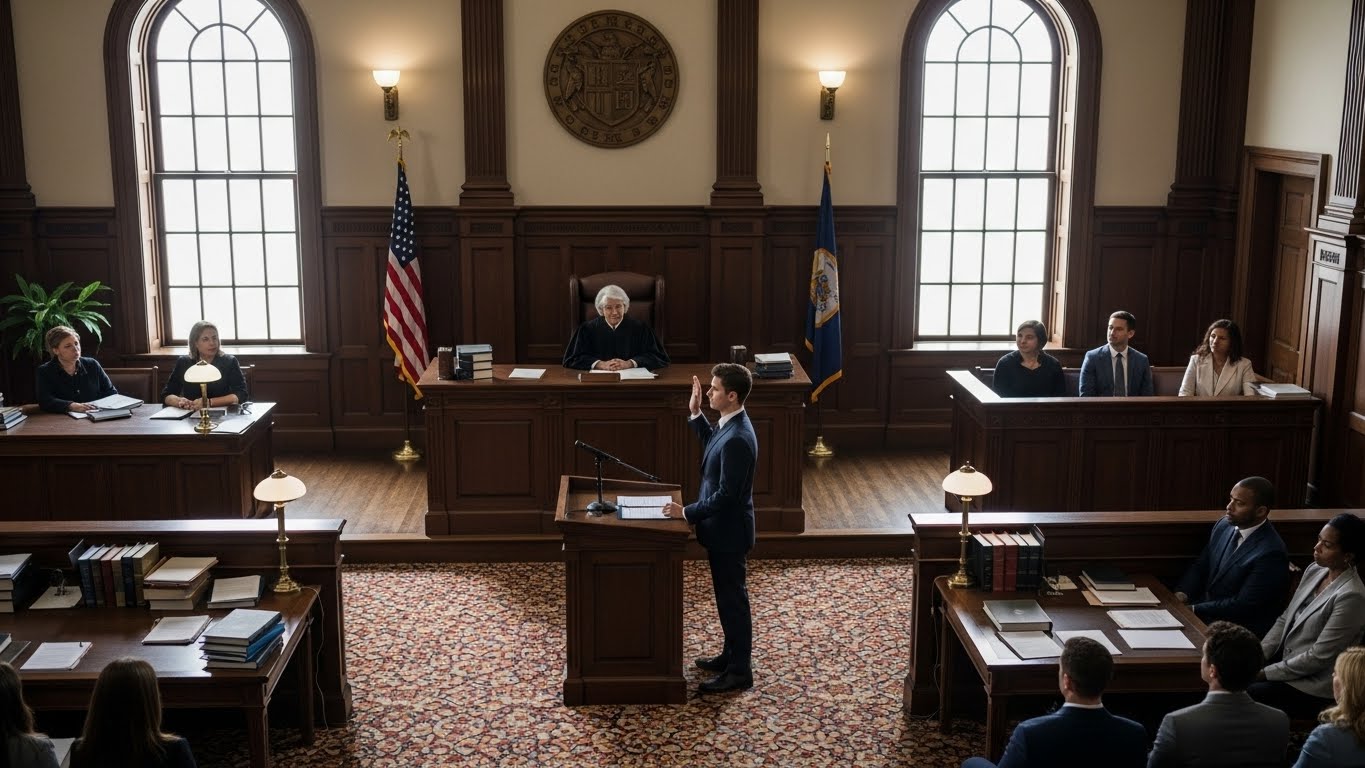
An arbitrator is an impartial third party tasked with resolving disputes submitted to arbitration by evaluating evidence, contractual obligations, and compliance with procedural rules. This role does not extend to determining legal guilt or innocence but rather focuses on the contractual and evidentiary aspects presented [[anonymized]].
In consumer disputes such as credit reporting disagreements, arbitrators review relevant documentation, testimony, and disclosure compliance to issue a binding arbitration award in accord with the governing arbitration agreement and applicable procedural rules, commonly those aligned with the Federal Arbitration Act 9 U.S.C. §§ 1-16 and AAA Commercial Arbitration Rules [[anonymized]].
Decisions rendered by arbitrators are generally binding and have limited grounds for judicial review, typically limited to procedural certainties such as arbitrator impartiality, adherence to agreed rules, and absence of fraud or evident partiality [[anonymized]].
- An arbitrator acts as a neutral evaluator focusing on evidence and contract terms.
- Arbitrator decisions are primarily binding and subject to limited review.
- Organized and properly disclosed evidence strongly influences dispute outcomes.
- Procedural compliance, including timeliness and evidence authentication, is critical.
- In consumer disputes, referencing enforcement data may support claims but must be relevant and accurately presented.
Why This Matters for Your Dispute
Understanding the role of the arbitrator and the decision scope is crucial because many consumers and small-business owners entering arbitration proceedings underestimate the procedural and evidentiary rigor required. Without clear, organized evidence and strict adherence to procedural rules, claims risk dismissal or less favorable outcomes.
Federal enforcement records show a consumer in California filed a complaint on 2026-03-08 regarding the improper use of credit reports - a common basis for arbitration claims under consumer protection frameworks. These complaints highlight systemic issues in credit reporting that can be substantiated through proper evidence and procedural compliance.
In reviewing hundreds of consumer disputes, BMA Law's research team observed that arbitrators emphasize clarity and compliance. Poorly prepared evidence or procedural missteps can cause significant setbacks or outright dismissals, limiting opportunities for claimants to obtain compensation within typical ranges of $500 to $12,000 per claimant depending on case specifics.
Consumers and small businesses seeking effective resolution should consider dispute preparation services to ensure submissions meet arbitration standards and that evidence ties to enforceable contractual or statutory provisions arbitration preparation services.
How the Process Actually Works
- Initiate Arbitration: File a demand for arbitration in line with the contract clauses. Documentation needed includes the arbitration agreement and initial complaint or claim.
- Preliminary Scheduling: The arbitrator sets timelines for disclosure, evidence exchange, and hearing dates. A case calendar is needed for tracking deadlines.
- Evidence Disclosure: Parties exchange evidence following procedural rules. Submit organized and authenticated documents to comply with disclosure requirements.
- Pre-Hearing Conferences: Clarify issues, agree on procedures, and address preliminary motions. Documentation includes stipulations and procedural orders.
- Hearing Presentation: Present evidence and testimony per arbitration rules. Compile exhibits, witness lists, and affidavits for submission.
- Post-Hearing Briefs: Submit legal and factual arguments based on hearing records. Include citations to evidence and enforcement data if applicable.
- Arbitrator’s Decision: Decision is issued based on evaluation of evidence, contract terms, and applicable rules.
- Challenge or Enforcement: Limited appeal options exist. Successful parties enforce arbitration awards through courts where necessary.
More details on documentation standards and best practices are available through BMA Law’s dispute documentation process.
Where Things Break Down
Pre-Dispute: Procedural Non-Compliance
Failure: Missing arbitration filing deadlines or inadequate evidence disclosure.
Ready to File Your Dispute?
BMA prepares your arbitration case in 30-90 days. Affordable, structured case preparation.
Start Your Case - $399Trigger: Delayed submissions or incomplete disclosures.
Severity: Case dismissal or inability to rely on key evidence.
Consequence: Weakens claim or nullifies case before hearing.
Mitigation: Maintain a detailed calendar aligned with arbitration procedural rules.
Verified Federal Record: CFPB complaint from a California consumer dated 2026-03-08 shows ongoing investigation into improper use of credit reports illustrating the procedural urgency to submit evidence timely in credit reporting disputes.
During Dispute: Evidence Mishandling
Failure: Presenting unauthenticated or disorganized evidence at the hearing phase.
Trigger: Lack of chain of custody or failure to properly authenticate documents.
Severity: Evidence exclusion, diminished credibility of claims.
Consequence: Arbitrator’s diminished confidence in dispute validity.
Mitigation: Follow an evidence authentication checklist and maintain documentation of origin and custody [Evidence Handling Guidelines].
Post-Dispute: Misinterpretation of Enforcement Data
Failure: Overgeneralizing federal enforcement data or citing outdated/non-relevant industry examples.
Trigger: Using enforcement data incorrectly to support claims.
Severity: Loss of arbitrator credibility and negative impact on final decision.
Consequence: Potential damage to case standing and overall dispute validity.
Mitigation: Validate relevance and currency of all enforcement data cited; cross-reference with case-specific facts.
- Incomplete disclosures leading to procedural sanctions.
- Ignoring procedural scheduling resulting in missed deadlines.
- Failure to engage in pre-hearing conferences hampers case clarity.
- Overreliance on anecdotal evidence rather than documented facts.
- Insufficient cross-referencing of contract terms and evidence.
Decision Framework

| Scenario | Constraints | Tradeoffs | Risk If Wrong | Time Impact |
|---|---|---|---|---|
| Proceed with detailed evidence submission |
|
|
Delay or loss of case credibility if documentation is inconsistent | Moderate to long, depending on disclosure schedules |
| Adopt aggressive dispute framing referencing systemic violations |
|
|
Loss of credibility and skepticism from arbitrator | Short to moderate |
| Choose to settle before arbitration |
|
|
Missing opportunity for higher award or on-time resolution | Short |
Cost and Time Reality
Arbitration proceedings for consumer disputes commonly involve administrative fees, arbitrator hourly rates, and costs associated with evidence preparation. Fee structures typically range from a few hundred to several thousand dollars depending on complexity. Arbitration often proves more cost-effective and faster than full litigation but still requires substantial preparation time for evidence gathering and disclosure compliance.
Timelines vary but generally span three to six months from filing to final award, contingent on procedural adherence and complexity. Delays caused by missed deadlines or procedural errors add to time and cost risks.
To estimate potential claim values and compare costs with litigation, consumers and small businesses can use tools such as estimate your claim value.
What Most People Get Wrong
- Misconception: Arbitrators determine legal guilt or innocence.
Correction: Arbitrators assess contract terms, evidence, and procedural compliance rather than criminal or tort liability. - Misconception: Any evidence can be submitted at any time.
Correction: Arbitration requires strict adherence to disclosure timelines and evidence authentication. - Misconception: Enforcement data always strengthens claims.
Correction: Referencing enforcement data must be relevant, current, and accurately linked to the dispute. - Misconception: Arbitration outcomes are easily appealed.
Correction: Judicial review is limited and usually restricted to procedural defect or bias.
Further insights are available via BMA Law’s dispute research library.
Strategic Considerations
Strategic choices about proceeding with arbitration versus settling depend heavily on the strength of documentary evidence, procedural readiness, and potential risks. Well-prepared documentation referencing relevant enforcement trends can improve arbitration success probability.
Settlement may be prudent where evidence is thin or procedural risks are substantial. Adopting aggressive strategies referencing systemic violations can backfire if unsupported or overextended.
Boundary awareness of the arbitrator’s limited scope - focused on contracts and compliance - is critical. Legal violations without evidentiary support offer little weight absent enforceable grounds.
Learn about BMA Law’s analytic approach here.
Two Sides of the Story
Side A: Consumer
A consumer filed a dispute alleging improper use of their credit report by a third party. The consumer prepared detailed documentation of correspondence, credit report entries, and prior complaint filings. They emphasized the potential breach of contract clauses relating to data use.
Side B: Credit Reporting Company
The company responded by submitting procedural objections concerning evidence timeliness and questioned the relevance of some complaint records cited. They underscored compliance with dispute procedures and accuracy in credit file handling.
What Actually Happened
The arbitrator evaluated submitted evidence for authentication and procedural compliance. The decision balanced documented contract obligations with industry practices. Procedural adherence by both parties was pivotal. The case illustrated the importance of clear, timely disclosures and relevant enforcement context.
This is a first-hand account, anonymized for privacy. Actual outcomes depend on jurisdiction, evidence, and specific circumstances.
Diagnostic Checklist
| Stage | Trigger / Signal | What Goes Wrong | Severity | What To Do |
|---|---|---|---|---|
| Pre-Dispute | Missed filing deadline | Case dismissal | High | Implement and monitor detailed case calendar |
| Pre-Dispute | Incomplete evidence disclosure | Procedural sanctions or evidence omission | High | Prepare verified disclosure lists; consult arbitration rules |
| During Dispute | Unauthenticated documents presented | Evidence rejected | Medium | Follow chain-of-custody procedures; use authentication checklists |
| During Dispute | Citing irrelevant enforcement data | Credibility loss | Medium | Verify data relevance; consult jurisdictional guides |
| Post-Dispute | Attempt to appeal without valid ground | Case dismissal or additional costs | High | Confirm grounds for appeal align with legal standards |
| Post-Dispute | Failure to enforce award timely | Delay in case resolution / payment | Medium | File enforcement motions promptly; track deadlines |
Need Help With Your Consumer Dispute?
BMA Law provides dispute preparation and documentation services starting at $399.
Not legal advice. BMA Law is a dispute documentation platform, not a law firm.
FAQ
What exactly is an arbitrator's role in consumer disputes?
An arbitrator serves as an impartial third party who reviews evidence, contractual language, and procedural compliance to issue a binding resolution. Unlike a judge, the arbitrator does not determine legal guilt but adjudicates based on the agreed terms and provided documentation, as outlined in the Federal Arbitration Act and governing rules [UNCITRAL Rules].
How important is evidence disclosure in arbitration?
Disclosure is critical to maintain procedural integrity. Evidence submitted late or without proper authentication may be excluded, significantly weakening claims. Arbitration rules such as those from the AAA require strict adherence to disclosure schedules and chain-of-custody proofs [[anonymized]].
Can enforcement data be used to support my consumer dispute?
Yes, federal enforcement data like CFPB complaint records can demonstrate systemic industry issues relevant to your case. However, data must be current, specific, and accurately tied to your dispute to maintain relevance and avoid credibility loss [CFPB Enforcement Records].
Are arbitrator decisions always final?
Arbitrator decisions are generally binding with limited grounds for judicial appeal, usually restricted to procedural errors or evident arbitrator misconduct. The Federal Arbitration Act delineates these limits, making arbitration a faster but less reversible dispute option than court litigation.
What happens if I miss an arbitration deadline?
Missing filing or evidentiary deadlines can result in procedural sanctions including dismissal or exclusion of evidence. Such failures significantly reduce the chances for a favorable outcome. Maintaining a detailed case calendar aligned with procedural rules helps avoid this risk [Procedural Compliance Framework].
References
- [anonymized] - Procedural framework and decision standards: uncitral.un.org
- [anonymized] - General procedural principles: law.cornell.edu
- CFPB Enforcement Records - Examples of consumer protection enforcement: consumerfinance.gov
- AAA Commercial Arbitration Rules - Arbitration procedures and evidence handling: adr.org
- Evidence Handling Guidelines - Authentication and chain of custody practices: evidenceguidelines.org
- Procedural Compliance Framework - Ensuring procedural adherence: arbitration.org
Last reviewed: June/2024. Not legal advice - consult an attorney for your specific situation.
Important Disclosure: BMA Law is a dispute documentation and arbitration preparation platform. We are not a law firm and do not provide legal advice or representation.
Get Local Help
BMA Law handles consumer arbitration across all 50 states:
Important Disclosure: BMA Law is a dispute documentation and arbitration preparation platform. We are not a law firm and do not provide legal advice or representation.