
Dispute Preparation for Mediation in Movies
What breaks first in mediation depicted in movies is almost invariably procedural fidelity. Cinematic portrayals of dispute resolution frequently sacrifice procedural accuracy for storytelling drama, with actors conflating negotiation tactics, evidentiary rules, and mediator impartiality into simplified interactions. As someone who has seen the tangible consequences of these oversights in real-world dispute scenarios, I can affirm that relying on movie depictions alone risks fundamental procedural errors, undermining the very dispute resolution process parties intend to pursue.
Understanding Mediation as Depicted in Films
Mediation in movies presents a distorted picture of how alternative dispute resolution operates in practice. Films often reduce the mediation process to a few intense conversations aimed at forcing quick emotional resolutions. While this approach suits narrative pacing, it obscures the complex procedural safeguards and legal foundations that govern real-world mediation.
Key mechanisms generally misrepresented or omitted include the mediator’s strict neutrality, adherence to confidentiality rules, procedural fairness, and the parties’ autonomy in crafting solutions. In cinematic scenes, mediators are portrayed as forceful arbitrators rather than as facilitators who guide parties towards mutual agreement without imposing decisions.
"Mediator neutrality is rarely depicted with necessary procedural rigor; movies tend to showcase mediators actively directing outcomes, which conflicts with established mediation principles."
- Mediation: The process where a neutral third party facilitates dispute resolution but does not impose solutions.
- Neutral Mediator: Must remain unbiased and confidential, avoiding any appearance of partiality.
- Settlement Agreement: A voluntary, written contract concluded by the parties if an agreement is reached.
- Confidentiality: Conversations and documents in mediation are protected and generally not admissible in litigation.
- Party Autonomy: Parties control the outcome, unlike in arbitration or court decisions.
Procedural deviations in movies often include omission of confidentiality assertions, lack of formal agreements to mediate, and unrealistic portrayals of mediator interventions. These contribute to significant misunderstandings if viewers attempt to apply their cinematic impressions directly to actual dispute preparation.
Common Inaccuracies in Cinematic Mediation
- Simplification of procedural phases that in practice may involve pre-mediation caucuses, detailed submission exchanges, and formal setting of ground rules.
- Conflict resolution portrayed as spontaneous breakthroughs, ignoring the strategic preparation typically required.
- Misrepresentation of mediator involvement, sometimes showing mediators exerting undue pressure or appearing as advocates.
These inaccuracies risk encouraging parties to bypass critical procedural steps essential to valid dispute resolution, potentially jeopardizing enforceability and fairness.
Dispute Mechanics and Evidence in Movie Mediations
Another fragile point lies in how evidence and dispute mechanics are depicted. Movie scenarios often portray evidence as loosely presented through testimonials or informal revelations, lacking the procedural rigor expected in real dispute processes. Real mediation requires systematic evidence management to inform negotiation positions and anticipate arbitration or litigation risks if mediation fails.
"Evidence handling in movies regularly bypasses documentary validation and authentication, leading parties to underestimate the need for rigorous evidence collection."
- Evidence Management: Structured collection, preservation, and organization of materials relevant to the dispute.
- Dispute Mechanics: The sequencing of presenting claims, evidence, and arguments structured by procedural rules.
- Settlement Offers: Formalized proposals typically made based on accurate factual and legal analysis, documented for reflection and potential enforcement.
- Documentary Evidence: Physical or digital evidence submitted with due regard for proper authentication and admissibility criteria.
Film depictions often omit the necessity of submission protocols, how confidentiality impacts sharing evidence, or the involvement of legal counsel in preparing documentary evidence and settlement proposals. They may show parties impulsively conceding on points without underpinning rationale or verification.
The Risk of Oversimplified Evidence Presentation
Parties influenced by such portrayals might neglect to:
- Verify the authenticity and relevance of evidence before mediation.
- Respect confidentiality obligations regarding sensitive documents.
- Prepare thorough dispute statements supported by supporting documents.
- Recognize that settlement offers should have underpinning legal and factual justifications to withstand post-settlement challenges.
Lack of these elements risks adverse outcomes, including settlement invalidation or rejection by mediators or arbitrators in subsequent proceedings.
Procedural Risks and Deviations in Cinematic Representation
Following from the above, one of the highest operational risks is the underappreciation of procedural safeguards inadequately portrayed or ignored on screen. The absence of established arbitration or mediation rules creates friction with actual legal requirements.
"Ignoring procedural codes can cause settlements to be challenged as invalid, with claims of coercion or misrepresentation that films rarely portray."
- Arbitration Rules: Protocols dictating mediator appointment, procedural timelines, and evidentiary standards often absent in movies.
- Civil Procedure: Governing law for motions, documentation, and discovery processes which often underpin dispute resolution preparation.
- Regulatory Guidance: Oversight bodies’ frameworks protecting parties against unfair process.
- Evidence Admissibility: Strict criteria for what evidence is acceptable in resolving disputes, frequently ignored or simplified on screen.
Movie portrayals may dramatize inadmissible evidence, such as hearsay or unverified accusations, framed graphically to escalate tension but unfounded in legal reality. They may ignore disclosure obligations, ethical boundaries, or procedural fairness principles, presenting an inaccurate blueprint for dispute preparation.
How Procedural Deviations Impact Parties
Procedural non-compliance risks include:
- Invalidation of settlements due to procedural flaws or lack of informed consent.
- Increased opportunity for one party to assert coercion or imbalance, leading to overturned agreements.
- Unexpected legal costs from disputes about procedural violations instead of substantive dispute resolution.
In my years handling consumer-disputes disputes, ignoring such procedural frameworks based on misleading cinematic depictions has led to prolonged disputes and enforceability challenges.
Dispute Preparation Constraints Based on Cinematic Depiction
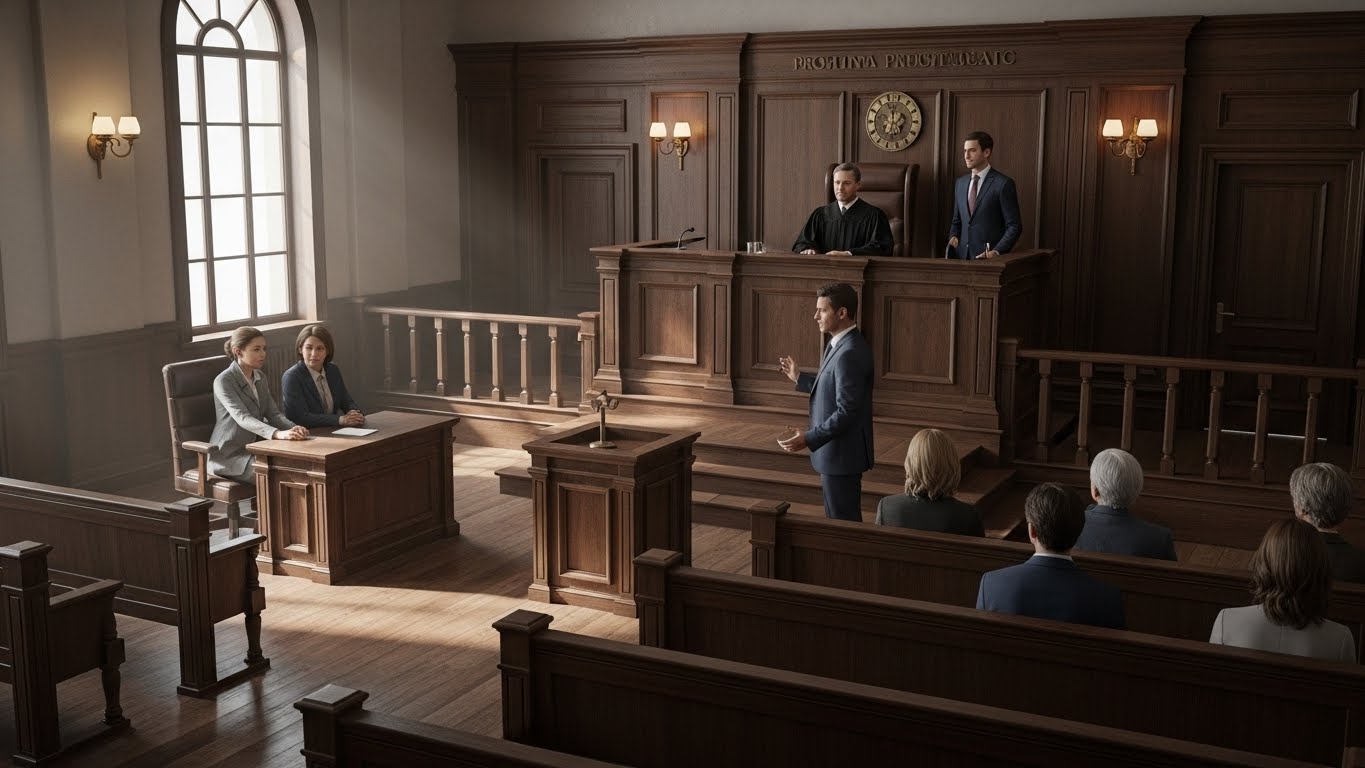
Given the discrepancies observed in films, dispute preparation must be grounded in verified legal standards rather than dramatized sequences. Claimants and small-business owners should consider that even when mediation is depicted as straightforward, practical preparation demands rigorous evidence collection, clear dispute strategies, and strict adherence to procedural rules.
Ready to File Your Dispute?
BMA prepares your arbitration case in 30-90 days. Affordable, structured case preparation.
Start Your Case — $399"Relying on movie portrayals risks overlooking critical preparatory steps—verifying procedural authenticity with official rules is mandatory before pursuing dispute resolution."
- Evidence Collection: Systematic gathering of documents, communications, and material facts verified against legal admissibility criteria.
- Dispute Strategy: Mapping claim points, defenses, and potential settlement terms aligned with procedural norms and legal analysis.
- Procedural Adherence: Compliance with mediation or arbitration rules, including submitting statements on time and participating in required procedural meetings.
- Claim Documentation: Exhaustive compilation of all relevant materials to support positions with provenance and reliability clearly established.
Procedural validation should be practiced by cross-referencing:
- The UNCITRAL Arbitration Rules for mediator roles and evidence handling.
- The Federal Rules of Civil Procedure concerning motions and admissibility standards.
- The AAA Commercial Mediation Rules covering confidentiality and procedural fairness.
Neglecting this verification can lead to critical failure modes such as misinterpretation of procedures, evidence mishandling, and procedural non-compliance, all of which may carry irreversible consequences including loss of rights and invalidation of settlements.
Checklist for Reliable Dispute Preparation
- Confirm the mediator’s qualifications and neutrality as per regulation.
- Assemble evidence and documents in formats that satisfy admissibility requirements.
- Ensure confidentiality agreements are in place and understood by all parties.
- Develop a clear dispute and settlement strategy independent of movie portrayals.
- Seek consultation from qualified legal professionals for procedural compliance confirmation.
Ignoring any checklist item under the presumption that movies portray valid mediation procedures carries significant procedural risk.
Integrating Legal Expertise and Controls in Practical Mediation Preparation

Failure modes related to cinematic misrepresentations can be mitigated through structured controls and guardrails implemented during dispute preparation:
- Verification of Procedural Compliance: Prevents invalid procedures by requiring cross-referencing cinematic depictions with authoritative arbitration_rules, civil_procedure, dispute_resolution_practice, and governance_controls sources.
- Evidence Validation Protocols: Ensure admissible, authenticated evidence by following formal evidence management standards and securing all pertinent documents systematically.
- Legal and Procedural Consultation: Engaging with experienced counsel prevents misapplication of procedural norms and provides critical oversight verifying that dispute preparation aligns with legal and ethical standards.
These mechanisms are essential to safeguard against the common failure modes outlined:
- Misinterpretation of Mediation Procedures: Often triggered when parties accept cinematic scenes as procedural law without cross-verification, leading to invalid settlements and inadequate evidence handling.
- Evidence Mishandling: Resulting from preparation based on fictional evidence procedures, potentially causing inadmissibility or sanctions at submission phases.
- Procedural Non-Compliance: Occurs when parties assume cinematic scenes suffice for compliance, risking invalid settlement agreements or arbitration awards.
Decision Making for Dispute Resolution Pathways
When evaluating whether to proceed with mediation as depicted in movies or to prepare for arbitration, assess whether procedural fidelity and evidence handling align with established rules. If cinematic representation lacks procedural robustness, consider preparing for arbitration instead but remain cognizant of higher legal costs and complexity.
| Decision | Options | Selection Logic | Hidden Costs |
|---|---|---|---|
| Proceed with mediation based on movie depiction | Yes / No | Assess alignment with arbitration_rules and evidence_management procedural fidelity | Risks include procedural invalidity, misjudged settlement values, and increased dispute duration |
| Prepare for arbitration instead of mediation | Yes / No | Identify cinematic procedural deficiencies confirmed by official rules and standards | Higher legal costs, longer timelines, and procedural complexity |
In many cases, mediation based solely on movie impressions fosters unrealistic expectations, neglects procedural documentation, and creates latent risks best managed through structured legal engagement.
Integrating BMA Law’s Services in Mediation Preparation
Given these complexities, BMA's arbitration preparation service provides detailed assistance in verifying procedural compliance and evidence management. We also offer guidance through our dispute documentation process, ensuring all claim documentation and settlement strategies conform to procedural expectations.
Adopting BMA Law's approach — which emphasizes legal rigor, procedural adherence, and careful dispute strategy formulation — significantly reduces risks related to cinematic misinterpretation. Parties gain clarity on mediator roles, evidence admissibility, and the necessary confidentiality safeguards missing in many movie portrayals.
If you are preparing for a dispute involving mediation, especially influenced by movie depictions, I recommend beginning with a thorough procedural assessment and evidence audit. Contact BMA Law now to start your case with firm legal grounding and avoid procedural pitfalls frequently overlooked in cinematic mediation portrayals.
Don't Leave Money on the Table
Court litigation costs $14,000–$65,000 on average. Arbitration with BMA: $399.
Start Your Case — $399
References
- UNCITRAL Arbitration Rules – Official procedural standards on arbitration and mediation.
- Federal Rules of Civil Procedure – Rules governing evidence admissibility and civil dispute processes.
- AAA Commercial Mediation Rules – Standards for mediation confidentiality, fairness, and procedure.
- ABA Dispute Resolution Resources – Practical guides and ethical standards for mediation.
- CEDR Mediation Protocol – International mediation guidance and best practices.
Get Local Help
BMA Law handles consumer arbitration across all 50 states. Find preparation help in your area:
Important Disclosure: BMA Law is a dispute documentation and arbitration preparation platform. We are not a law firm and do not provide legal advice or representation.