

Get Your Employment Arbitration Case Packet — File in Washington Without a Lawyer
Underpaid, fired unfairly, or facing unsafe conditions? You're not alone. In Washington, federal enforcement data prove a pattern of systemic failure.
5 min
to start
$399
full case prep
30-90 days
to resolution
Your BMA Pro membership includes:
Professionally drafted demand letter + evidence brief for your dispute
Complete case packet — demand letter, evidence brief, filing documents
Enforcement alerts when companies in your area get new violations
Step-by-step filing instructions for AAA, JAMS, or local court
Priority support — dedicated case manager on every filing
| Lawyer (full representation) |
Do Nothing | BMA | |
|---|---|---|---|
| Cost | $14,000–$65,000 | $0 | $399 |
| Timeline | 12-24 months | Claim expires | 30-90 days |
| You need | $5,000 retainer + $350/hr | — | 5 minutes |
* Lawyer cost range reflects full legal representation retainer + hourly fees for employment disputes. BMA Law provides document preparation only — not legal advice or attorney representation. For complex claims, consult a licensed attorney.
Or Compare plans | Compare plans
30-day money-back guarantee • Case capacity managed by region — current availability varies





Employment Dispute Arbitration in Washington, District of Columbia 20392
Washington, District of Columbia 20392, with a vibrant and diverse population of over 670,000 residents, is home to numerous businesses, government agencies, and nonprofit organizations. As economic activity and employment opportunities flourish, so does the need for efficient, fair, and confidential mechanisms to resolve employment disputes. Arbitration has emerged as a key alternative to traditional litigation, offering streamlined processes tailored to the unique legal landscape of Washington, DC. This article provides a comprehensive overview of employment dispute arbitration within this jurisdiction, examining its legal framework, processes, benefits, challenges, recent trends, and resources available to participants.
Overview of Employment Dispute Arbitration
What Is Employment Dispute Arbitration?
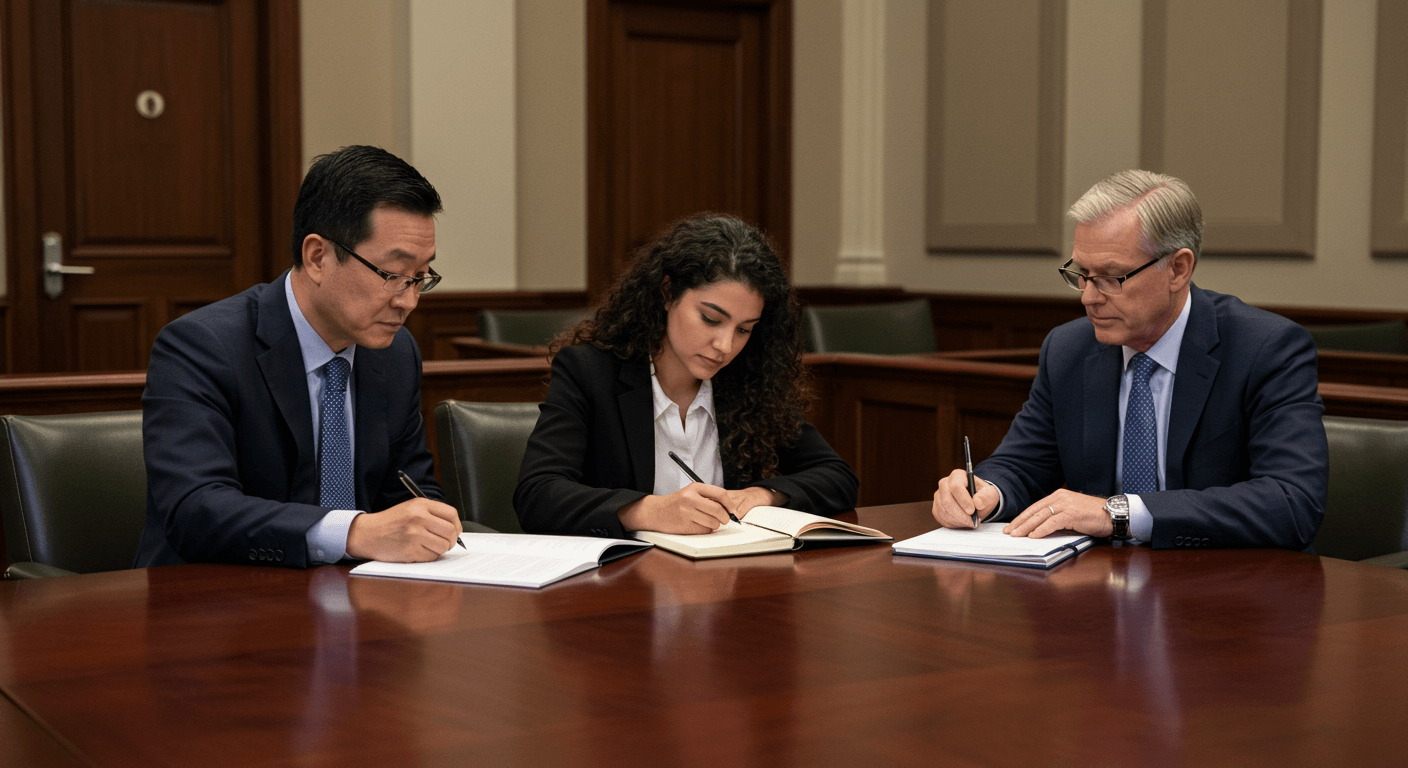
Employment dispute arbitration is a form of alternative dispute resolution (ADR) wherein an independent arbitrator or a panel reviews and resolves conflicts between employers and employees outside the traditional court system. These disputes may include claims related to wrongful termination, discrimination, wage and hour violations, harassment, or breach of employment contracts.
The arbitration process is generally voluntary or mandated by employment contracts or collective bargaining agreements. Its defining features include confidentiality, flexibility, and the ability to tailor procedures to the needs of the parties involved.
Why Choose Arbitration?
Parties often favor arbitration because it tends to be faster and less costly than litigation. Moreover, arbitration offers a degree of privacy, which can be crucial for preserving reputation and confidentiality. Also, the process allows for more control over scheduling and procedural rules compared to court proceedings.
However, arbitration also presents limitations, especially for employees who may prefer the broader remedies or appeals available through court systems. A thorough understanding of the legal framework specific to Washington, DC, remains essential for effective navigation.
Legal Framework Governing Arbitration in Washington, DC
Federal Laws and Local Regulations
Employment dispute arbitration in Washington, DC, is primarily governed by federal laws such as the Federal Arbitration Act (FAA), which promotes the enforceability of arbitration agreements. The FAA underpins the legal legitimacy of arbitration clauses embedded in employment contracts nationwide and within the district.
Locally, Washington, DC has enacted specific statutes and administrative codes that influence arbitration proceedings. The District of Columbia's Uniform Arbitration Act aligns with federal law but also incorporates specific local procedural rules, which parties must follow to ensure enforceability within the district.
Application of Legal Interpretation & Hermeneutics
In interpreting arbitration clauses and employment contracts, courts and arbitrators apply hermeneutic methods—specifically, the Eco’s Intentio Operis—focusing on the plain meaning of the contractual language beyond subjective intentions. This aligns with the Departmentalist Theory, which recognizes that multiple branches, including administrative agencies, interpret legal texts within their jurisdictions, ensuring that arbitration agreements are understood in their legal context.
Furthermore, legal interpretation in arbitration often involves analyzing the purpose of employment laws through a textual and contextual lens, ensuring that disputes are resolved in accordance with the underlying policy goals and statutory intent.
Common Types of Employment Disputes Resolved by Arbitration
Discrimination and Harassment Claims
Claims under Title VII of the Civil Rights Act, the Americans with Disabilities Act (ADA), and the District of Columbia Human Rights Act often proceed to arbitration, especially when employment contracts contain binding arbitration clauses.
Wage and Hour Disputes
Disputes regarding minimum wage, overtime pay, or unpaid wages are frequently resolved through arbitration, providing quicker remedies for employees seeking redress.
Wrongful Termination and Contract Disputes
Arbitration serves as an alternative platform for resolving wrongful termination and breach of employment contract claims, especially in cases where confidentiality is desired.
Procedures and Process of Arbitration in Washington, DC 20392
Initiating Arbitration
The process begins with the submission of a demand for arbitration, often stipulated in the employment contract. The parties agree on an arbitration provider or designate an arbitrator if not specified.
Selection of Arbitrators
In Washington, DC, arbitrators are typically selected based on their expertise in employment law, neutrality, and experience. Many proceedings utilize institutional arbitration providers, which maintain panels of qualified arbitrators.
Hearings and Evidence
During hearings, parties present evidence, question witnesses, and make legal arguments. The process is more informal and flexible compared to court trials, but arbitrators are bound to legal standards and principles, including local businessesiples of hermeneutics and legal interpretation.
Decision and Award
Following the hearing, the arbitrator issues an award, which is typically binding and enforceable in local courts. Under the principles of Administrative and Bureaucratic Decision Models, the arbitrator's decision reflects a standardized yet context-sensitive resolution aligned with applicable laws and policies.
Benefits and Drawbacks of Arbitration for Employees and Employers
Advantages
- Faster resolution: Arbitration often concludes in months rather than years.
- Cost efficiency: Reduced legal costs benefit both parties.
- Confidentiality: Sensitive employment issues remain private, protecting reputations.
- Flexibility: Parties can tailor procedures and select arbitrators with specialized expertise.
- Enforceability: Arbitration awards are recognized by courts, making resolutions binding and easy to enforce.
Limitations
- Limited appeal options: Many arbitration decisions are final, limiting the opportunity for legal review.
- Potential power imbalance: Employees may feel pressured to accept arbitration clauses in employment contracts.
- Limited remedies: Arbitrators may be constrained by contractual language and statutory caps on damages.
- Perception of bias: The selection process for arbitrators can raise concerns regarding impartiality.
Recent Trends and Case Studies in DC Employment Arbitration
Emergence of Hybrid Dispute Resolutions
Recent trends indicate an increase in hybrid ADR processes, combining arbitration with mediation to promote amicable settlements while preserving the procedural advantages of arbitration.
Impact of Legislation and Policy Shifts
Local laws, such as amendments to enforce employee rights within arbitration clauses, are shaping the landscape. For example, recent case law emphasizes transparency and fairness, aligning with the Departmentalist Theory that multiple branches contribute interpretive authority.
Case Study: Confidentiality and Fairness
An employment dispute involving a government contractor in Washington, DC, was resolved through arbitration. The case highlighted the importance of clear contractual language and adherence to local arbitration rules, ensuring a fair process that maintained confidentiality for high-profile employees.
Resources and Support for Arbitration Participants in Washington
Local Agencies and Organizations
Several agencies provide guidance, including the DC Office of Human Rights and local arbitration providers. These entities offer resources, training, and legal assistance to ensure parties understand their rights and obligations.
Legal Advice and Representation
Given the complexities of arbitration law and interpretive principles, consulting experienced employment attorneys is essential. For further resources, visit BMA Law, which specializes in employment law and dispute resolution in Washington, DC.
Practical Advice for Parties Navigating Arbitration in Washington, DC 20392
- Carefully review arbitration clauses before signing employment agreements.
- Understand local arbitration rules and the specific procedures of chosen arbitration forums.
- Seek counsel from qualified attorneys familiar with Washington, DC legal interpretation standards and hermeneutic principles.
- Document all relevant employment matters meticulously to support your claim or defense.
- Consider mediation as a preliminary step to arbitration to facilitate settlement.
Key Data Points
| Data Point | Information |
|---|---|
| Population of Washington, DC 20392 | 670,266 |
| Primary benefits of arbitration | Speed, cost savings, confidentiality |
| Legal framework | Federal Arbitration Act (FAA), District of Columbia's specific statutes |
| Common employment disputes resolved | Discrimination, wage disputes, wrongful termination |
| Average duration of arbitration process | 3-6 months (varies based on complexity) |
Arbitration Resources Near Washington
If your dispute in Washington involves a different issue, explore: Consumer Dispute arbitration in Washington • Contract Dispute arbitration in Washington • Business Dispute arbitration in Washington • Insurance Dispute arbitration in Washington
Other ZIP codes in Washington:
Employment Dispute — All States » DISTRICT-OF-COLUMBIA » Washington
Frequently Asked Questions (FAQ)
1. Can an employee refuse to arbitrate disputes in Washington, DC?
Generally, if an employment contract or collective bargaining agreement contains an arbitration clause, refusing to arbitrate may be difficult. Courts uphold such clauses unless they are unconscionable or otherwise invalid under local or federal law.
2. Are arbitration decisions in Washington, DC subject to appeal?
Most arbitration awards are final and binding, with limited grounds for judicial review. However, parties can challenge awards on specific legal grounds such as fraud or arbitrator bias.
3. How does local law affect arbitration proceedings in DC?
DC-specific laws and regulations govern procedural aspects, enforceability, and fairness standards, aligning with the Interpretive principles of hermeneutics and departmentalist interpretation, ensuring arbitration aligns with local legal expectations.
4. What rights do employees have if they believe arbitration was unfair?
Employees can seek enforcement or challenge arbitration proceedings in court if procedural unfairness, coercion, or lack of adherence to local rules is demonstrated.
5. What should employers include in arbitration clauses?
Employers should ensure clarity regarding arbitration procedures, the selection of arbitrators, confidentiality provisions, and scope of disputes covered, all in compliance with local statutes and interpretive legal principles.
Understanding the interplay of legal theories—including local businesses’s Intentio Operis, and bureaucratic decision models—is essential for all parties involved in employment arbitration within Washington, DC's vibrant legal and employment landscape.